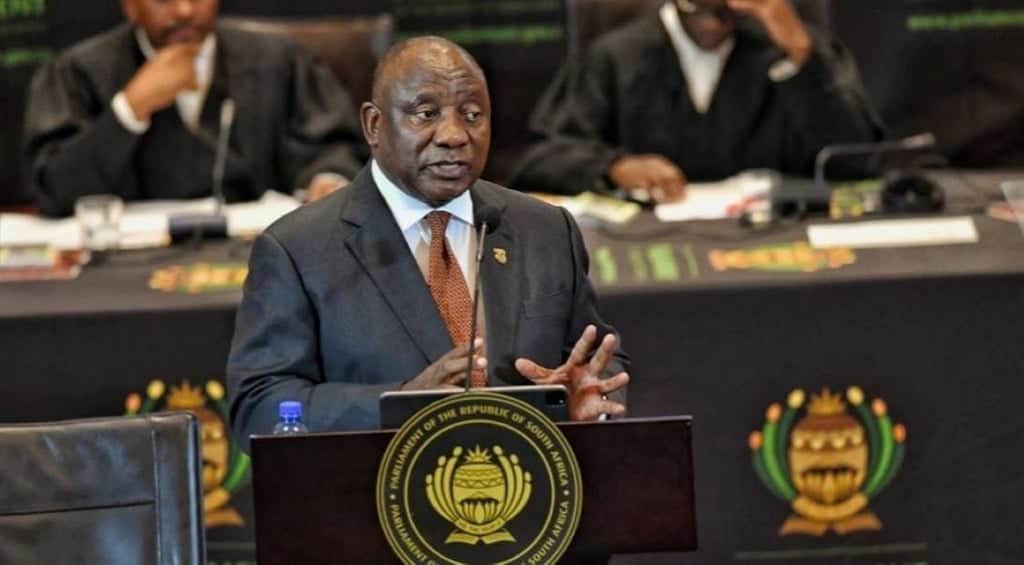
News24 | ‘We grasp it correct form this time’: Ramaphosa assured day by day life audit direction of will seemingly be finalised
In a pivotal moment during his final appearance before the National Assembly, President Cyril Ramaphosa reaffirmed his commitment to finalising the much-anticipated daily life audit process. This audit, which aims to provide an accurate and comprehensive assessment of the socio-economic realities facing South Africans, has been delayed multiple times but is now reportedly progressing firmly. Ramaphosa’s assurance comes amid ongoing debates about land reform, employment initiatives, and governance accountability. This article delves into the details of the daily life audit, its importance for policy-making, the challenges it faces, and how it fits within the broader context of South Africa’s developmental agenda.
Understanding the Daily Life Audit: Purpose and Scope
The daily life audit is a comprehensive evaluation designed to capture the socio-economic conditions of South African citizens at a granular level. Unlike traditional statistics, this audit seeks to provide real-time, detailed insights into how people live, work, and interact with government services. It will inform policymakers about the actual challenges communities face, enabling targeted interventions that address poverty, unemployment, and inequality.
President Ramaphosa has emphasized that the audit will serve as a critical tool to bridge the gap between government intentions and the lived realities of citizens. By gathering accurate data on livelihoods, access to basic services, and economic participation, the audit aims to create a reliable evidence base for government programs such as the Presidential Employment Stimulus and land reform initiatives.
The scope of the audit is broad, encompassing urban and rural areas, different income brackets, and various demographic groups. It will also assess the effectiveness of government services and highlight areas where improvements are urgently needed. This holistic approach is intended to foster transparency, accountability, and data-driven governance.
Ramaphosa’s Commitment Amid Past Delays
The announcement that the daily life audit is now 'firmly underway' comes after a series of delays and setbacks that frustrated both MPs and the public. Previous attempts to initiate the audit were hindered by logistical challenges, funding constraints, and political disagreements. These delays raised concerns about the government’s capacity to deliver on promises of social and economic reform.
In his final parliamentary address, Ramaphosa acknowledged these past hurdles but expressed confidence that the current phase of the audit is on track to yield meaningful results. His assurance responds directly to opposition queries, particularly from the Democratic Alliance’s John Steenhuisen, who had questioned the government’s ability to carry the process forward effectively.
By reaffirming the government’s commitment, Ramaphosa aims to restore public trust and demonstrate that lessons have been learned. He underscored that this time, the audit will be executed with greater precision, accountability, and inclusivity, ensuring that it reflects the true state of the nation.
Implications for Land Reform and Agricultural Development
The daily life audit is expected to play a crucial role in advancing land reform, one of South Africa’s most contentious and urgent socio-economic issues. Accurate data about land ownership, usage, and community livelihoods will inform policies aimed at equitable redistribution and agricultural development.
Ramaphosa linked the audit to efforts to stimulate rural economies by supporting smallholder farmers and ensuring that land reform initiatives are both sustainable and beneficial to previously marginalized communities. The audit’s findings will help identify areas where land reform has succeeded and where gaps remain.
Moreover, by integrating the audit data with agricultural sector strategies, the government hopes to boost food security and create employment opportunities in rural areas. This integrated approach aims to address historical inequalities while fostering economic growth in the agricultural sector.
The Presidential Employment Stimulus and Its Connection to the Audit
The Presidential Employment Stimulus (PES) is another flagship program that stands to benefit from the insights generated by the daily life audit. This initiative focuses on creating jobs and supporting livelihoods, particularly for youth and vulnerable groups affected by economic downturns.
Ramaphosa highlighted that the audit would offer real-time data on employment patterns, skills gaps, and economic participation, enabling the PES to be more responsive and efficient. Such data-driven targeting ensures that resources are allocated where they are most needed, maximizing the impact of government investment.
The audit’s integration with PES monitoring mechanisms will also enhance transparency and accountability, allowing stakeholders to track progress and adjust strategies as necessary. This dynamic feedback loop is vital for sustaining employment growth and reducing unemployment rates in the long term.
Enhancing Transparency and Accountability Through the Audit
One of the core objectives of the daily life audit is to enhance government transparency and accountability. By providing detailed, publicly accessible data, the audit empowers citizens, civil society, and policymakers to hold government entities accountable for service delivery and developmental outcomes.
Ramaphosa’s commitment to completing the audit reflects a broader political will to improve governance standards in South Africa. Transparent data collection and dissemination are essential to combating corruption and inefficiency, which have historically undermined public trust.
Furthermore, the audit will establish benchmarks against which future progress can be measured, creating a culture of evidence-based decision-making. This approach aligns with global best practices and supports South Africa’s commitments to international development goals.
Challenges Facing the Audit Process
Despite renewed momentum, the daily life audit faces significant challenges that could affect its implementation and impact. Logistical complexities, such as reaching remote communities and ensuring data accuracy, remain substantial obstacles.
Political dynamics also pose risks, as competing interests and potential resistance from entrenched bureaucracies may slow down or dilute the audit’s findings. Ensuring that the audit remains independent and free from undue influence is critical for its credibility.
Additionally, resource constraints, including funding and skilled personnel, could limit the scope and speed of the audit. Addressing these challenges requires sustained political commitment, interdepartmental coordination, and engagement with external partners and experts.
Public Expectations and the Road Ahead
South Africans are watching closely as the government moves forward with the daily life audit, with high expectations for tangible improvements in service delivery and socio-economic conditions. The audit represents hope for many who have long felt excluded from the benefits of economic growth.
Ramaphosa’s assurance that the audit will be completed 'correctly this time' sets a tone of cautious optimism. Success will depend not only on data collection but also on the government’s ability to act decisively on the audit’s recommendations.
Looking ahead, the audit could serve as a model for participatory governance and inclusive development, fostering a more equitable and prosperous South Africa. Continuous public engagement and transparent communication will be essential to maintain momentum and trust.
Conclusion
The daily life audit represents a landmark effort by the South African government to better understand and address the complex realities faced by its citizens. President Ramaphosa’s renewed commitment signals a turning point after years of delay and uncertainty. By providing accurate, comprehensive data, the audit has the potential to transform policy-making, enhance transparency, and drive inclusive economic growth. While challenges persist, the government’s ability to implement the audit effectively and act on its findings will determine its ultimate success. For South Africans eager for progress, the audit offers a vital opportunity to grasp their lived experiences correctly and shape a more equitable future.
Originally reported by news24.com. Adapted for our readers.
Obi says his wife funds her own purchases. This analysis separates his explanation, unverified handbag prices and the evidence needed to assess public spending.
Omotola’s podcast remarks raise practical questions about income, reputation and values. Here is how professionals can assess offers without inventing claims about missed earnings.