
Lifestyle
How to Find a Room Rental That Fits Your Budget and Lifestyle
Lifestyle ...
TAMFIS NIG LTDRC 8067447CAC ACTIVEFinima, Bonny Island, Rivers State

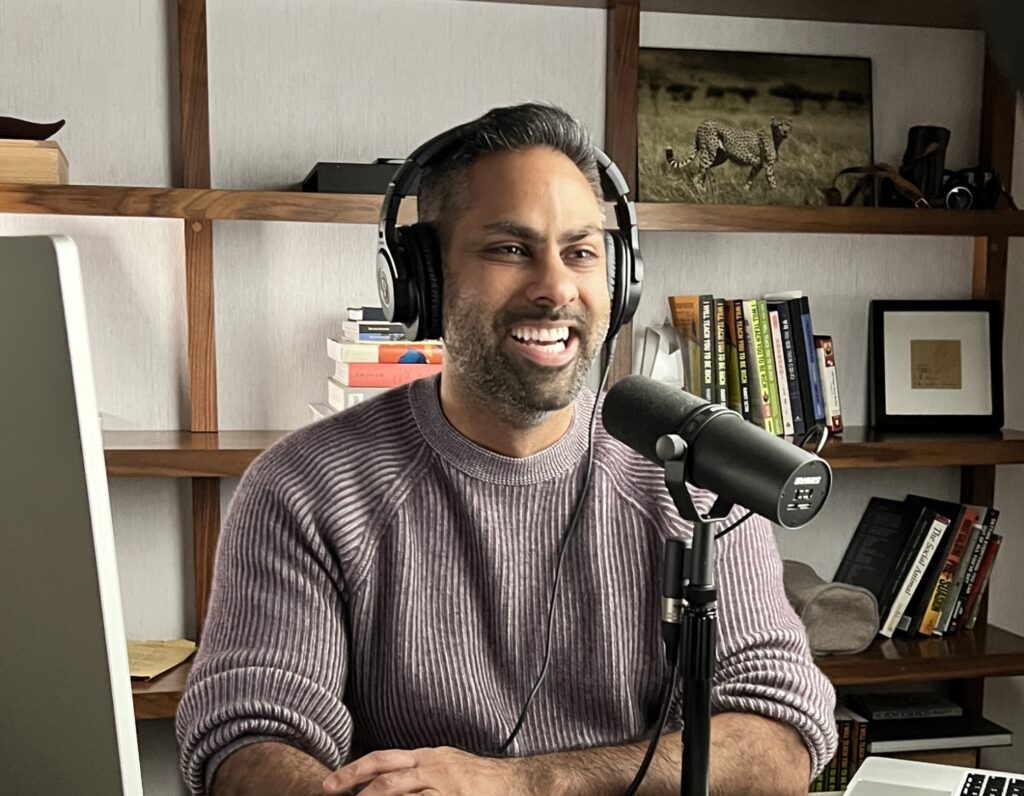
The FIRE movement promotes financial independence through aggressive saving and investing to reach a 'crossover point' where investment income covers expenses. While it has boosted savings rates, Ramit Sethi warns that obsessing over a target number can cause stress, extreme frugality, and an unhealthy relationship with money. Having achieved financial independence at 42, Sethi argues true freedom means having the option to work—not the obligation to stop—and using wealth to live a rich life aligned with personal values.
The FIRE movement centers on the 'crossover point'—when passive income covers living expenses—popularized by Vicki Robin and Joe Dominguez in Your Money or Your Life. Reaching this point theoretically grants freedom to choose whether to work. Many see it as liberation from financial dependence, enabling time for personal pursuits. The movement has inspired widespread scrutiny of spending, increased savings, and aggressive investing in low-cost index funds or real estate, fostering online communities that track progress toward early retirement.
Sethi acknowledges FIRE’s positive impact on savings rates and financial literacy, especially among younger generations. However, he cautions that its cultural narrative often reduces financial success to a single metric: hitting a target net worth by a specific age, oversimplifying the emotional and psychological dimensions of wealth. This narrow focus can lead individuals to overlook the importance of developing a healthy relationship with money throughout the journey, not just at the destination.
A core critique of FIRE is its tendency to foster obsession with reaching a predetermined financial goal by a set deadline. Sethi notes many participants experience stress, anxiety, and depression, believing their 'magic number' will automatically bring happiness. This mindset treats wealth as an end in itself rather than a tool for a meaningful life, postponing joy until a distant future.
When retirement arrives, some find themselves unprepared to shift from accumulation to enjoyment. Sethi recalls FIRE members with millions who struggled to spend freely due to ingrained deprivation habits. He emphasizes that spending wisely is a skill best learned in one’s 20s; without it, individuals may remain trapped in a scarcity mindset long after achieving FIRE, unable to spend on necessities or pleasures without guilt. This psychological barrier can undermine the very freedom FIRE promises.
FIRE encompasses two main paths. Lean FIRE targets annual budgets of $30,000–$50,000 through minimalism, rejecting consumerism and prioritizing experiences. It requires disciplined budgeting, geographic arbitrage, and forgoing conventional success markers. Adherents often choose lower-cost housing, forgo car ownership, cook at home frequently, and relocate to areas with lower living expenses to sustain their lifestyle on modest investment returns.
Fat FIRE supports a luxurious lifestyle funded by investments, requiring a larger nest egg for higher spending on travel, dining, or housing. While both achieve financial independence technically, their lifestyles differ vastly. Sethi aligns with Fat FIRE not for extravagance, but to spend generously on what matters most—travel, education, or family—maximizing life satisfaction within financial security, not frugality for its own sake. He views this approach as enabling a richer life experience while maintaining financial resilience.
Sethi uses a household earning $80,000 yearly with $6,000 monthly expenses to illustrate timelines. Saving 10% of income requires ~38 years to reach the crossover point. Cutting expenses by 50% (to $36,000/year) reduces this to ~12 years at the same savings rate. Though $36,000/year seems low compared to the U.S. average of over $72,000, Lean FIRE adherents achieve it through deliberate choices like co-op housing, car-free living, home cooking, and relocation to lower-cost areas, proving that extreme frugality is possible with intentional lifestyle design.
Increasing income is another powerful lever. A 30% salary rise, with the extra income fully invested, could shorten the timeline to 22 years. Combining both strategies—30% higher income and 30% lower spending—could enable financial independence in under a decade, offering a powerful accelerator. This dual approach not only speeds up the timeline but also builds financial resilience by increasing income streams while reducing dependency on high spending levels.
Despite aligning with some FIRE principles, Sethi does not see early retirement as his ultimate goal. Having achieved financial independence at 42, he continues working and growing his businesses because he enjoys creation and impact. For him, financial independence means having the option to work, not the obligation to stop. This distinction is crucial—it shifts the focus from escaping work to engaging in work that is meaningful and fulfilling.
His vision of a 'rich life' centers on autonomy: freedom to pursue passions, take risks, and choose without financial anxiety. This requires defining personal values, setting intentional financial goals, and understanding the desired lifestyle—whether involving travel, philanthropy, creativity, or time with loved ones. Sethi advocates using FIRE principles as a foundation, not a straitjacket: save and invest aggressively, but also develop financial confidence, practice mindful spending, and regularly reassess whether wealth-building still serves evolving happiness. Wealth, in his view, should enhance life, not dominate it.
The FIRE movement has empowered many to challenge norms around consumption and work, but Sethi reveals its risks when pursuit becomes an obsessive chase of a numerical target at the expense of present well-being. True financial freedom isn’t just stopping work—it’s living intentionally: spending on what matters, growing wealth guilt-free, and maintaining a healthy money mindset lifelong. For anyone navigating today’s economic complexity, Sethi’s reminder is clear: wealth serves life best when it enables freedom to live richly now and in the future, whether through Lean FIRE, Fat FIRE, or a balanced path. By integrating financial discipline with emotional awareness, individuals can pursue independence not as an escape, but as a pathway to a more authentic and satisfying life.
Originally reported by ibtimes.co.uk. Adapted for our readers with AI assistance.
Keep reading
Lifestyle
Lifestyle Mention Phuket and visions of a sun-kissed beach escape immediately come to mind — where days are spent basking in the tropical s...
Lifestyle
Lifestyle Lifestyle When asked to name the most productive American trot set apart, most would say...
TAMFIS NIG LTD
Electrical and instrumentation engineering, bid preparation and consulting, IT and software.