
Marriott International, one of the world’s leading hotel groups, is intensifying its presence in France with an ambitious plan to open 10 new properties by the end of 2025. This expansion will add over 1,000 rooms to its existing portfolio, which already includes 69 properties across 29 cities under 16 distinct brands. The move highlights Marriott’s focus on tapping into France’s growing demand for both leisure and business travel, while also emphasizing lifestyle and luxury segments. From the adaptive reuse of historic buildings to the launch of new Moxy hotels, Marriott’s strategy reflects innovation, sustainability, and a deep understanding of local markets.
Marriott’s Expanding Portfolio in France: An Overview
Marriott International currently operates 69 properties across 29 French cities, representing a diverse brand mix that caters to various traveler segments. The upcoming additions will increase this number to 79 hotels, with more than 1,000 new rooms scheduled to open by the end of 2025. This expansion is not just about quantity but also about enhancing Marriott’s presence in both primary cities like Paris and Lyon and emerging secondary markets such as Annecy and Mougins.
The addition of 10 new properties is a significant investment reflecting Marriott’s confidence in the French hospitality market. This growth aligns with the increasing demand for high-quality accommodation driven by France’s thriving tourism industry and business travel segment. By broadening its footprint, Marriott aims to capture a larger share of the market while providing guests with a variety of experiences from upscale luxury to vibrant lifestyle stays.
Marriott’s strategy involves a balanced mix of new builds and adaptive reuse projects, highlighting its commitment to sustainability and innovation. Nearly half of the new properties are conversions of historic or existing buildings, allowing Marriott to integrate unique architectural heritage with modern hospitality standards.
Moxy Hotels: Driving Lifestyle Growth in France
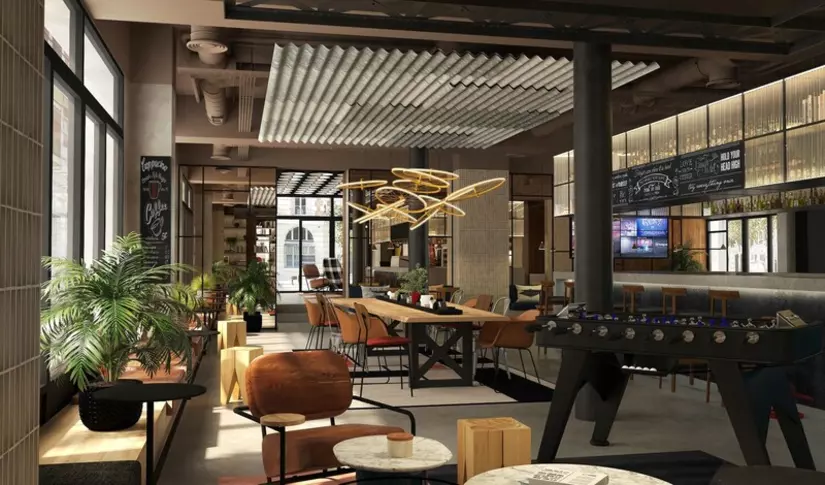
The Moxy brand is at the forefront of Marriott's expansion in France, with three new openings planned: Moxy Annecy, Moxy Paris Clamart, and Moxy Nice. Known for its vibrant, youthful design and affordable luxury, Moxy appeals to millennials and leisure travelers seeking a social, dynamic hotel experience. This brand already has a strong presence in France with nine hotels and nearly 1,500 rooms.
Moxy Annecy and Moxy Paris Clamart are slated to open in 2024, targeting both regional travelers and the Paris metropolitan area. The upcoming Moxy Nice, opening at the end of 2025, will further strengthen Marriott’s lifestyle portfolio in the French Riviera, a region popular with international tourists and business visitors alike.
By investing heavily in the Moxy brand, Marriott is capitalizing on the growing demand for lifestyle hotels that combine affordability, design, and social spaces. This approach enables Marriott to diversify its offerings and attract younger demographics while maintaining its luxury and upscale market segments.
Luxury Collection’s Crown Jewel: Hôtel du Couvent in Nice
One of the most anticipated openings is the Hôtel du Couvent, a Luxury Collection hotel in Nice. This project involves the adaptive reuse of a 17th-century convent built in 1604, blending historic architecture with contemporary luxury. The hotel will feature 88 exquisite rooms and suites, offering guests a unique cultural and heritage-rich experience on the French Riviera.
The renovation and conversion project was developed in collaboration with renowned architectural and design firms such as Studio Mumbai, Studio Méditerranée, and Festen Architecture. Their work preserves the convent’s historic essence while introducing modern amenities, creating an elegant sanctuary that reflects the Luxury Collection’s commitment to authenticity and sophistication.
Hôtel du Couvent represents Marriott’s strategic focus on luxury hospitality that respects local heritage and appeals to discerning travelers. Its location in Nice further strengthens Marriott’s presence in a key leisure destination, complementing its broader portfolio of resorts and lifestyle hotels in France.
Adaptive Reuse and Conversion: Marriott’s Innovative Approach
Marriott’s expansion in France heavily leverages adaptive reuse projects, converting historic or existing buildings into modern hotels. Nearly half of the properties scheduled to join the portfolio by 2025 fall into this category. This approach not only preserves architectural heritage but also aligns with sustainability goals by minimizing new construction impacts.
A notable example is the Aloft Dijon, which involves transforming a former post office building in Dijon’s city center into a contemporary lifestyle hotel. This project showcases Marriott’s ability to creatively repurpose structures while maintaining their cultural significance and integrating them into the urban fabric.
Adaptive reuse allows Marriott to secure prime city center locations, often unavailable for new builds, providing guests with convenient access to cultural attractions, business hubs, and local experiences. This strategy reflects Marriott’s flexibility and expertise in delivering innovative hospitality solutions tailored to local contexts.
Geographic Diversification: Primary and Secondary Markets
Marriott’s expansion plan targets both primary and secondary markets across France, reflecting a nuanced understanding of regional demand. While Paris and other major cities like Lyon continue to be vital for business and international tourism, secondary cities such as Annecy, Dijon, and Mougins are experiencing growing interest from domestic and international travelers.
By increasing its presence in secondary markets, Marriott is positioning itself to benefit from evolving travel patterns where guests seek authentic, less crowded destinations with rich cultural offerings. This geographic diversification also reduces reliance on highly competitive primary cities and opens up new revenue streams.
The Residence Inn by Marriott Lille and the Tribute Portfolio hotel in Mougins exemplify this strategy. Both properties cater to different traveler segments, with Residence Inn targeting extended-stay business travelers and Tribute Portfolio focusing on boutique lifestyle experiences, thus broadening Marriott’s appeal across market segments.
Meeting Demand for Leisure, Business, and Resort Experiences
France’s tourism landscape is characterized by a strong demand for diverse travel experiences, ranging from leisure and resort stays to business travel. Marriott’s expansion plan is carefully designed to address these varied needs with a portfolio that includes luxury resorts, lifestyle hotels, extended-stay options, and business-focused properties.
The French Riviera, with new properties like Hôtel du Couvent and Moxy Nice, caters to the leisure and luxury segment, attracting affluent tourists and vacationers. Meanwhile, cities such as Lyon and Lille see the addition of Courtyard by Marriott Lyon East and Residence Inn Lille, which are well suited to business travelers and long-stay guests.
This balanced portfolio ensures Marriott remains competitive across all major travel sectors in France, capitalizing on the country’s strong tourism fundamentals and economic activity. It also allows the brand to offer tailored experiences that meet evolving traveler expectations.
Sustainability and Innovation in Marriott’s French Expansion
Sustainability is a core consideration in Marriott’s expansion strategy in France. The company’s focus on adaptive reuse projects reduces environmental impact by conserving existing structures and materials. This approach aligns with global trends toward responsible tourism and eco-friendly hospitality practices.
Innovation is also evident in Marriott’s design and operational philosophies, integrating smart technologies and guest-centric services that enhance comfort and efficiency. Collaborations with local architects and designers ensure that each property reflects the cultural and environmental context of its location.
By combining sustainability and innovation, Marriott not only meets regulatory and market demands but also strengthens its brand reputation as a forward-thinking hospitality leader in France and beyond.
Conclusion
Marriott International’s strategic expansion in France represents a significant milestone in strengthening its market position across lifestyle and luxury hospitality segments. By adding 10 diverse properties through a combination of new builds and adaptive reuse projects, Marriott is responding to evolving traveler preferences and growing demand in both primary and secondary French markets. The emphasis on sustainability, innovation, and local heritage preservation underscores Marriott’s commitment to delivering exceptional guest experiences while fostering responsible development. As these new hotels open over the coming years, Marriott is poised to enhance its footprint and influence in one of Europe’s most dynamic travel destinations.