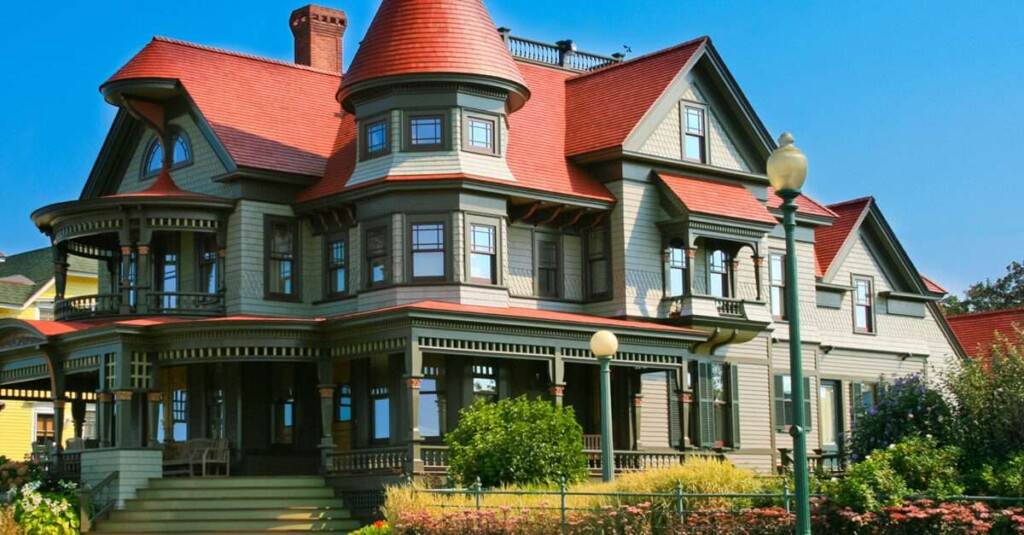
Historic homes carry an intangible charm that captivates many prospective homeowners. Beyond their architectural beauty, these residences embody the craftsmanship and stories of bygone eras. However, owning a historic home involves more than admiration—it requires patience, planning, and a willingness to embrace the responsibilities of preservation. This article provides a clear overview of what constitutes a historic home, how to find one, the considerations for upkeep, and how to approach renovation while honoring the past.
Defining a Historic Home
Understanding what qualifies a home as historic is essential before embarking on a purchase. According to the National Register of Historic Places, a property may be designated historic if it is linked to significant events or people in history, exemplifies architectural styles or construction methods of a particular period, represents the work of a master builder, or holds potential to provide valuable historical or prehistoric information.
Additionally, homes located within designated historic districts may also carry historic status, even if the individual property does not meet all criteria. Examples of such districts include the Charleston Old and Historic District in South Carolina and the French Quarter in New Orleans, both renowned for their rich cultural heritage and preserved architecture. These districts often encompass entire neighborhoods where the collective historical and architectural significance is preserved, providing a unique living environment steeped in history.
Finding Your Historic Home
The search for a historic home can begin online. The National Park Service maintains a comprehensive database of registered historic places, although this includes all types of properties, not just residential. For a more focused search, the National Trust for Historic Preservation offers a digital catalog in partnership with CIRCA Old Houses, a nationwide marketplace dedicated to historic homes for sale.
This resource allows prospective buyers to filter listings by state, price range, architectural style, and acreage, streamlining the search process. Once potential properties are identified, consulting a real estate agent experienced in historic homes is advisable. Such professionals can assist in setting realistic budgets, identifying suitable properties, and navigating local regulations that may affect ownership and renovations. Their expertise is invaluable in understanding the nuances of historic property transactions and ensuring a smooth purchasing experience.
Navigating Upkeep and Legal Considerations
Owning a historic home comes with unique maintenance responsibilities. While federal law does not mandate upkeep for privately owned historic properties, local and state historic designations may impose restrictions on alterations to preserve the home’s character. Prospective buyers should thoroughly research these local ordinances to understand any limitations before purchasing. These regulations can affect everything from exterior paint colors to structural changes, making it crucial to be informed upfront.
Maintenance can be more demanding and costly than with newer homes. It is crucial to conduct a detailed inspection, ideally by someone familiar with historic properties, to uncover potential issues such as outdated safety features, structural concerns, or the presence of materials like lead paint or asbestos. This diligence helps avoid unexpected expenses and ensures the home’s integrity.
On a positive note, many states offer historic tax credits and grants to assist homeowners with preservation-related renovations. These financial incentives often come with specific conditions, typically requiring that improvements adhere to preservation standards. State historic preservation offices are valuable resources for understanding and accessing these programs, providing guidance on eligibility and application processes. Leveraging these benefits can significantly offset the costs associated with maintaining a historic property.
Balancing Preservation and Modern Living Through Renovation
Renovating a historic home is both a challenge and a privilege. The goal is to maintain the home’s historical essence while adapting it to contemporary lifestyles. Researching the design trends and architectural details from the era when the home was built can guide renovation choices that honor its original character. This approach ensures that updates feel authentic and enhance the home's unique charm.
For example, Victorian-era homes are known for their maximalist aesthetic, featuring elements like wallpaper, stained glass, and rich color palettes—styles that are enjoying renewed popularity today. Incorporating these features can preserve authenticity while allowing for personal expression. Similarly, Colonial or Craftsman-style homes have distinct architectural details and materials that can be thoughtfully restored or replicated during renovations.
Ultimately, successful renovation requires balancing personal taste with respect for the home’s heritage. Though it may demand significant time and effort, restoring a historic home to its former glory offers a unique sense of accomplishment and connection to the past. Homeowners often find joy in preserving original features such as hardwood floors, moldings, and fireplaces, which contribute to the home's story and character.
What this means
Owning a historic home is a commitment to preserving a tangible piece of history while creating a personal sanctuary. The process involves careful research, expert guidance, and a willingness to invest in maintenance and thoughtful renovation. For those drawn to the character and stories embedded in these homes, the rewards extend beyond aesthetics—offering a unique connection to the past and a distinctive living experience. Prospective buyers should leverage available resources and professional expertise to find a historic home that resonates with their vision and to ensure its preservation for generations to come.
Discover how emotionally intelligent couples use a simple 'capacity check' question every morning to strengthen their relationships, reduce conflicts, and navigate daily challenges with…
Lifestyle By Aisha Balogun The death of Nigerian-born British influencer and socialite, Igho Ubiribo, popularly known as “Tiny” or “Ego”, has reopened questions surrounding…