
Lifestyle
How to Find a Room Rental That Fits Your Budget and Lifestyle
Lifestyle Choosing a room rental involves more than selecting the lowest monthly figure. Housing costs interact with commuting, food, utilities, privacy, safety, and household…
TAMFIS NIG LTDRC 8067447CAC ACTIVEFinima, Bonny Island, Rivers State

Lifestyle
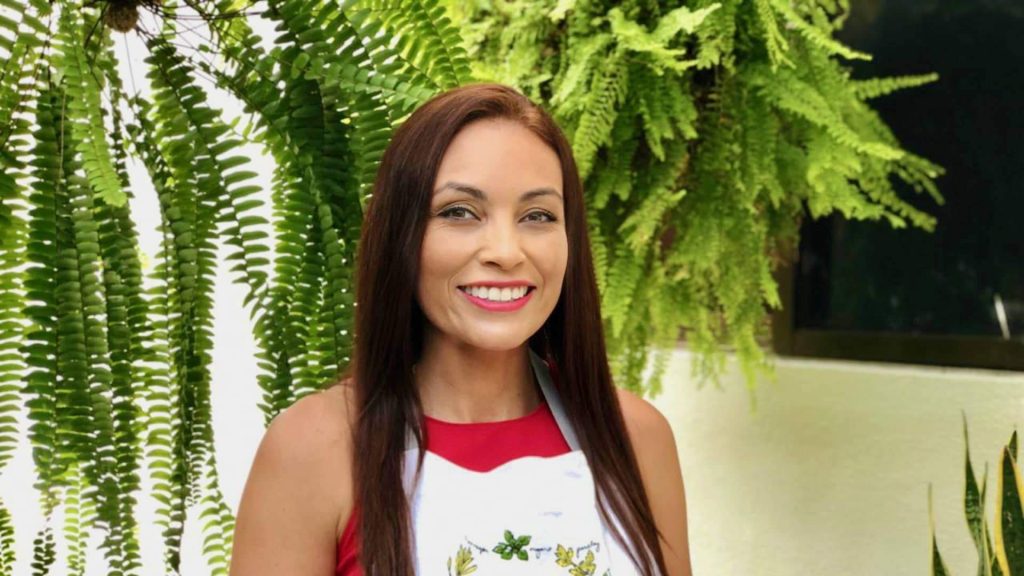
Costa Rica is home to one of the world’s Blue Zoneswhere people live longer and healthier lives than average. I’m from a small town in the region of Cartago, called Llano Grande, which is known for its rich agriculture.
As a cookbook author and cooking teacher who was born and raised here, I have always felt that our diet and “pura vida” lifestyle is our secret to longevity.
To Costa Ricans, what we eat is just as important as the experience in the kitchen and around the table. We deeply value the community that comes with cooking. Growing up, I always helped my family prepare our meals, and even harvested some of the ingredients.
Lunches and dinners always lasted for at least an hour, and it was our time to talk about our day. This kind of mindful, collective approach to food is something I love to share with the students who take my cooking classes.It is not just about the food we eatbut the connections that happen around it.
The best way to describe Costa Rican cuisine is simple and fresh. Our diet relies highly on staples like fresh vegetables, fruits, grains, and beans.
Here are some of the foods that I cook and eat every day to feel healthier and happier in the long run.
1. Beans
Beans are a great source of protein, fiber, complex carbohydrates, prebiotics, vitamins and minerals. They have been linked to reduced risk of chronic diseases like heart disease and diabetes.
Black and red beans are the most popular, usually served as part of a married (our traditional dish of rice, beans, veggies and protein) or as a soup consisting of beans and vegetables.
Chickpeas and lentils are popular here and can be used as a substitute for the traditional black beans.
2. Fresh fruit and vegetables
Fruit and vegetables in Costa Rica are generally eaten fresh, not out of a can or a freezer.We typically get our fruits and veggies from local markets called greengrocers.
Some of the most common ones in our diet are papaya, mango, banana, watermelon, pineapple and passion fruit, and they are either eaten on their own or made into drinks and juices.
We use a variety of vegetables in Costa Rican cooking, including potatoes, carrots, tomatoes, avocado, onion, beets, yucca and zucchini. Veggies are either eaten raw, in simple salads dressed with lime, or prepared as picadillo, chopped and boiled, occasionally with some animal protein mixed in for flavor.
Chopped chayote is probably my favorite. Chayote is a type of squash that is native to Central and South America, and not very common in the United States. It is green and crisp, and it tastes similar to a jicama.
3. Rice and corn
Grains like rice and corn are present in our diet, but mainly as a complement to the beans and vegetables that we eat.
For instance, the tortillas are used to eat the picadillo in what we call “gallos.” Chicken rice is a traditional Costa Rican dish consisting of rice, a lot of chopped vegetables and different pieces of chicken.
This meal is a very popular at celebrations like birthdays, but it is also very commonly enjoyed day to day.
4. Coffee
Costa Rican coffee is known for being high in antioxidants, which can help reduce inflammation. Sugary drinks are generally not a big part of the coffee-drinking culture.
Coffee here is enjoyed black or with a bit of milk. And as much as any other meal, a cup is best enjoyed slowly we do take our time to drink.
We eat rice and beans, either black or red, two to three times a day. For lunch this meal is called married. For breakfast, it is called gallo pinto and consists of rice and beans mixed with onions, peppers, and cilantro, accompanied with corn tortillas and coffee.
Thanks to its combination of whole grains, protein, amino acids and antioxidants, longevity researcher and Blue Zones founder Dan Buettner considers gallo pinto to be the healthiest breakfast in the world. It is amazing how such a simple dish can be packed with so many health benefits.
Here is my recipe for Gallo Pintoso you can make it at home.
Here is an example of my favorite Costa Rican breakfast, Gallo Pinto.
Photo: Melissa Guzman
Ingredients:
Steps:
To my mind, the recipe for why we live longer, healthier, and happier lives in Costa Rica is a simple one: Fresh ingredients that are prepared with care and meals that are intentionally enjoyed and shared with loved ones.
Melissa Guzman is a Costa Rican cookbook author and cooking teacher from Llano Grande, Costa Rica. She is the author of “Living Longer, Healthier, and Happier: Recipes from Costa Rica.” Follow Melissa on Instagram @recipesfromcostarica.
Want to be a successful, confident communicator? Take CNBC’s new online course Become an Effective Communicator: Master Public Speaking. We’ll teach you how to speak clearly and confidently, calm your nerves, what to say and not say, and body language techniques to make a great first impression. Sign up today and use code EARLYBIRD for an introductory discount of 30% off through July 10, 2024.
Originally reported by cnbc.com. Adapted for our readers.
Keep reading
Lifestyle
Lifestyle Choosing a room rental involves more than selecting the lowest monthly figure. Housing costs interact with commuting, food, utilities, privacy, safety, and household…
Lifestyle
Lifestyle Mention Phuket and visions of a sun-kissed beach escape immediately come to mind — where days are spent basking in the tropical sun by…
Lifestyle
Lifestyle Lifestyle When asked to name the most productive American trot set apart, most would say...
TAMFIS NIG LTD
Electrical and instrumentation engineering, bid preparation and consulting, IT and software.