Hotel room prices soar for F1 Singapore GP weekend, with suites going for at least $3,000 a night, Lifestyle News
With just days to go until the Formula One Singapore Grand Prix takes place from September 20 to 22, accommodation costs in the Marina Bay area have reached unprecedented levels. What was once a premium weekend getaway now requires significant financial commitment, as hotels capitalise on their proximity to the race circuit. This analysis examines the pricing trends, booking patterns and market dynamics shaping one of Asia's most expensive hospitality periods.
Extreme Price Surges Across Marina Bay Hotels
Hotel room rates in Singapore's Marina Bay district have more than doubled for the F1 weekend, with some properties charging extraordinary premiums. At Fairmont Singapore, a Deluxe Marina Bay room that typically costs between $500 and $700 per night is now listed at $1,888 for stays from September 20 to 22. The price increase reflects not just inflation but the unique economics of major sporting events.
Luxury suites command even higher premiums. The Fullerton Hotel's Fullerton Suite is being offered at $15,000 per night for September 21-22, representing nearly seven times its standard rate of approximately $2,000. Similarly, Mandarin Oriental's Premier Suite, which usually averages $1,790 before the race and $1,513 after, is priced at $4,350 during the Grand Prix weekend. Family Suites at the same hotel jump from $1,440 to $3,100 for the race period.
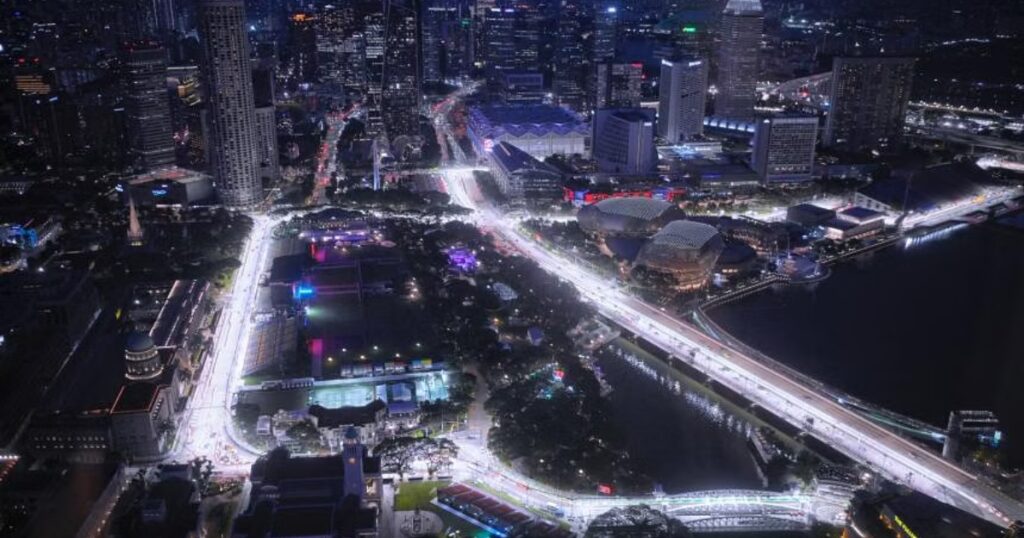
Pan Pacific Singapore has introduced special night-race packages for rooms with track views, starting at $1,650 per night. However, many of these premium offerings, including Pacific Club Studios and Panoramic Suites, are already fully booked. The pattern is consistent across the district: properties with direct sightlines to the circuit or immediate proximity to Turn Nine are commanding the highest prices and experiencing the fastest sell-through rates.
Booking Patterns Reveal Year-Round Demand
The timing of bookings reveals how deeply embedded the F1 weekend has become in the annual travel calendars of both leisure and corporate travellers. According to hotel management, enquiries began arriving almost immediately after the 2023 event concluded. William J. Haandrikman, managing director of Fairmont Singapore and Swissotel The Stamford, confirmed that many reservations came from regular guests who had attended previous races.
The majority of bookings were secured within two months of the event, demonstrating strong forward planning among attendees. This early booking behaviour creates a predictable revenue stream for hotels, allowing them to implement dynamic pricing strategies with confidence. At Pan Pacific Singapore, General Manager Melvin Lim noted that enquiries typically begin as early as one year in advance, right after the previous F1 season ends.
Even as prices reach record levels, the flow of reservations remains steady. Gino Tan, country general manager of The Fullerton Hotels and Resorts, reported that bookings are coming in at a similar pace to last year, despite the significant price increases. Interestingly, the later announcement of this year's F1 schedule has prompted a slight uptick in last-minute bookings from travellers adjusting their plans around the race dates.
Location Premium Drives Market Dynamics
The fundamental driver behind these extreme prices is the unmatched location offered by Marina Bay hotels. Properties like Fairmont Singapore and Swissotel The Stamford benefit from being situated right next to the circuit at Turn Nine, providing guests with immediate access to the action. This proximity eliminates the need for transportation during race days and offers unique vantage points for viewing the event.
Hoteliers consistently cite location as the primary factor in their pricing power. Melvin Lim of Pan Pacific Singapore emphasized that their prime trackside positioning has generated incredibly strong demand year after year. Similarly, Gino Tan noted that The Fullerton properties' closeness to both the Marina Bay area and the hairpin turn of the circuit makes them particularly sought-after for guests wanting an immersive experience.
This location-based premium creates a tiered market where hotels without direct circuit access must compete on different factors. While Marina Bay Sands and Mandarin Oriental were also contacted for comment, the available data suggests that even hotels slightly removed from the immediate track vicinity are experiencing significant price uplifts, though perhaps not to the same extreme levels as the trackfront properties.
Business Implications and Market Trends
The F1 weekend has evolved into a critical revenue driver for Singapore's hospitality sector, with hotels reporting measurable year-on-year growth specifically tied to the event. Fairmont Singapore and Swissotel The Stamford recorded a 15 percent increase in sales for this year's F1 weekend compared to 2023. Pan Pacific Singapore reported a 3.5 percent year-to-date increase in room sales versus last year's event.
These figures underscore how major sporting events can transform seasonal patterns in urban hospitality markets. What might otherwise be a shoulder period in September has become one of the most profitable weekends of the year for trackfront hotels. The predictability of this demand allows for sophisticated revenue management, including minimum stay requirements and non-refundable booking policies during the race period.
For business travellers and corporate clients, the F1 weekend presents both challenges and opportunities. While accommodation costs spike dramatically, the concurrent influx of global visitors creates networking possibilities and business development prospects. Some companies strategically time client entertainment or regional meetings to coincide with the Grand Prix, accepting the premium costs as part of relationship-building expenditures in key Asian markets.
What this means
The Formula One Singapore Grand Prix has established itself as far more than just a sporting event—it is now a major economic catalyst that reshapes hospitality pricing and booking behaviours in Marina Bay for weeks around the race weekend. The extreme price points observed, while shocking to casual observers, reflect a rational market response to scarce, high-demand inventory: hotel rooms with unmatched access to one of the world's most prestigious motorsport spectacles. For consumers, the decision to attend involves weighing the extraordinary experience against significant financial commitment. For businesses in the hospitality and events sectors, the F1 weekend demonstrates how strategically located properties can leverage unique advantages to generate premium returns. As Singapore continues to position itself as a premier destination for global sporting events, the patterns observed during F1 weekends may serve as a template for understanding how other major competitions influence local economies and consumer behaviour.
Originally reported by asiaone.com. Adapted for our readers with AI assistance.
Obi says his wife funds her own purchases. This analysis separates his explanation, unverified handbag prices and the evidence needed to assess public spending.
Omotola’s podcast remarks raise practical questions about income, reputation and values. Here is how professionals can assess offers without inventing claims about missed earnings.