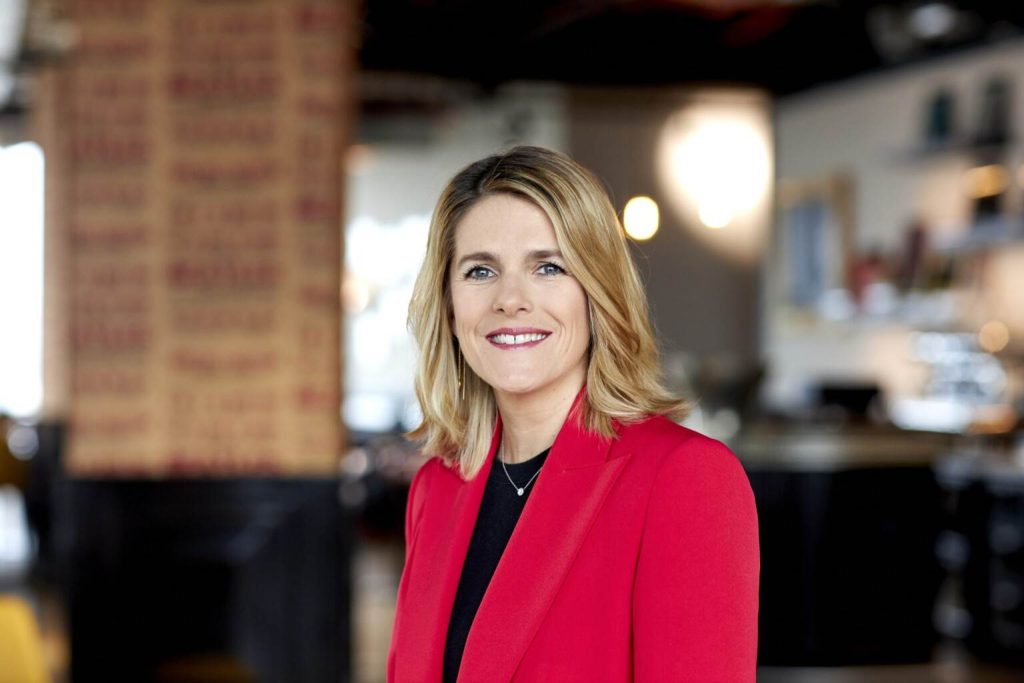
Agnès Roquefort, global chief pattern officer of Accor, lifts the lid on luxury hospitality inclinations
The luxury hospitality sector is undergoing a profound transformation driven by changing traveler expectations, sustainability imperatives, and regional development initiatives. Agnès Roquefort, Global Chief Pattern Officer of Accor's luxury and lifestyle division, offers an authoritative perspective on the latest trends shaping this dynamic market. From the surge in demand for unique, culturally immersive experiences to the strategic expansion across the Middle East and India, Roquefort outlines how Accor is adapting and leading in this competitive landscape. This article explores these insights, providing a comprehensive view of the evolving luxury hospitality scene.
Rising Demand for Unique Luxury Experiences
Global research indicates a significant acceleration in demand for premium travel experiences, with the luxury travel market projected to reach USD 2.32 trillion by 2030. This growth reflects travelers' increasing desire for distinctive, personalized encounters that go beyond traditional hotel stays.
In response, Accor plans to open 100 new luxury and lifestyle hotels over the next two years, with at least 50 unique luxury and lifestyle signings expected annually. The company’s portfolio is carefully curated to appeal to both local residents and international visitors, emphasizing tailored experiences that resonate with diverse customer expectations.
These experiences span sustainable travel options and family-friendly all-inclusive resorts, reflecting broader market trends. Accor’s approach demonstrates a commitment to innovation and adaptability in meeting evolving traveler preferences.
Strategic Expansion in the Middle East Aligned with Vision 2030
Accor plays a pivotal role in the Middle East’s luxury hospitality growth, particularly in Saudi Arabia, the UAE, and Qatar, aligning closely with regional development plans such as Saudi Vision 2030 and Qatar National Vision 2030.
In Saudi Arabia, Accor is deeply involved in giga projects like The Red Sea, AlUla, and NEOM, introducing luxury brands including Raffles, Fairmont, Faena, and SLS. These projects emphasize sustainable and culturally rich tourism, with the Red Sea initiative focusing on eco-luxury experiences.
Similarly, in the UAE, Dubai’s status as a premier travel destination is bolstered by sustainable tourism initiatives. Accor has introduced iconic brands such as Banyan Tree and SO/, capitalizing on lifestyle-branded residential developments to meet affluent travelers' expectations.
Qatar’s hospitality scene is also evolving, with Accor opening flagship properties like Raffles and Fairmont Doha and collaborating with Rixos Gulf to launch the country’s first all-inclusive resort. These developments reflect a strategic alignment with national tourism goals and an emphasis on delivering unparalleled guest experiences.
Innovations in Luxury Hospitality Offerings
Accor’s luxury hospitality strategy includes a diversified brand portfolio designed to cater to different market segments. The company’s Collection brands focus on high-end luxury, while MGallery offers entry-level luxury experiences. The recently launched Handwritten Collection is expanding rapidly, signaling ongoing innovation.
Branded residences are another growth area, with over 150 communities expected by 2027 through the Accor One Living platform. These residences provide long-term luxury living options, appealing to affluent clients seeking lifestyle flexibility.
In cities like Riyadh, new luxury developments such as Raffles Resort, Sofitel Serviced Apartments, and MGallery Villa Resort are underway, reflecting emerging market opportunities. Accor’s properties also cater to specific traveler needs, exemplified by Fairmont Jaipur’s reputation as a premier wedding destination and Raffles Udaipur’s exclusive private island experience.
This multi-faceted approach shows Accor’s commitment to redefining luxury hospitality beyond traditional hotel stays, incorporating branded residences, extended-stay options, coworking spaces, and exclusive member clubs.
Fostering Local Talent and Inclusion in Hospitality
Agnès Roquefort emphasizes the importance of nurturing local talent to sustain luxury hospitality growth. Attracting and retaining skilled employees, especially younger generations, presents challenges due to competitive remuneration expectations and a desire for work-life balance and meaningful employment.
Accor addresses these challenges through initiatives like the Tamayyaz program in partnership with the Saudi Ministry of Tourism. This nationalization program offers tailored on-the-job training, clear career pathways, and leadership development opportunities for Saudi nationals, supporting localization goals and enhancing the industry’s reputation.
The program also facilitates the transition of talent from other industries into hospitality, broadening the workforce’s diversity and capabilities. By fostering emotional connections and transparency, Accor aims to revitalize the hospitality sector and create an inclusive environment that resonates with modern workforce values.
Evolving Definition of Luxury in Hospitality
The concept of luxury in hospitality is shifting from mere opulence to encompassing authentic, multi-dimensional experiences. Travelers today seek deeper cultural connections and meaningful engagement with destinations, particularly among affluent 18- to 34-year-olds.
Accor’s approach reflects this evolution, offering integrated experiences that include boutique wellness services, world-class spas, and unique cultural activities alongside traditional accommodations. The company’s properties encourage guests to immerse themselves fully in local culture and environment.
Sustainability is also central to modern luxury travel. High-net-worth travelers increasingly prioritize eco-friendly operations and are willing to invest more in responsible tourism. Accor leads in this area by implementing sustainable practices across its portfolio, such as environmentally conscious operations at The Red Sea Project and eco-luxury offerings like Banyan Tree AlUla.
This holistic view of luxury combines comfort, exclusivity, cultural authenticity, and environmental responsibility, setting new standards for the industry.
What this means
Agnès Roquefort’s insights reveal a luxury hospitality industry in transition, shaped by evolving traveler expectations, sustainability imperatives, and regional development strategies. Accor’s proactive approach—combining strategic expansion, innovative brand offerings, and a strong commitment to local talent—positions it as a leader in this dynamic market. As luxury travelers increasingly seek authentic, responsible, and culturally rich experiences, hospitality providers must adapt to these nuanced demands. The future of luxury hospitality lies not only in grandeur but in meaningful connections with people, place, and planet.
Originally reported by hospitalitynewsmag.com. Adapted for our readers with AI assistance.
Discover how emotionally intelligent couples use a simple 'capacity check' question every morning to strengthen their relationships, reduce conflicts, and navigate daily challenges with…
Lifestyle By Aisha Balogun The death of Nigerian-born British influencer and socialite, Igho Ubiribo, popularly known as “Tiny” or “Ego”, has reopened questions surrounding…