
Business
Nigeria’s Economic Performance: Domestic Debt Rise and Agriculture Trade Shift in Q2 2026
Nigeria's economic landscape in the second quarter of 2026 presents a mixed picture of fiscal press...
TAMFIS NIG LTDRC 8067447CAC ACTIVEFinima, Bonny Island, Rivers State

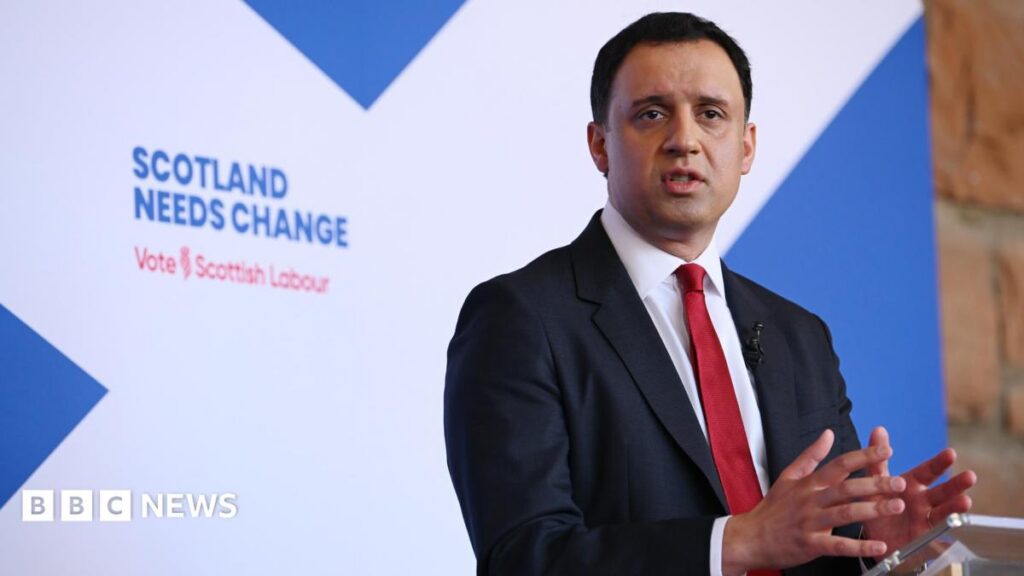
The Labour Party in the UK is undergoing a notable period of transition and realignment following the departure of Sir Keir Starmer as leader. Central to this shift is the recent appointment of Anas Sarwar, leader of Scottish Labour, to a ministerial role in Andy Burnham’s government through a seat in the House of Lords. Sarwar’s promotion, alongside other figures who played critical roles in the downfall of Starmer’s leadership, signals deeper undercurrents of change within the party. This article explores the implications of these appointments, the internal dynamics at play, and what this means for Labour’s future direction.
Anas Sarwar’s move from Holyrood to Westminster, facilitated by his elevation to the House of Lords, is a significant development in Labour’s post-Starmer era. Sarwar publicly called for Starmer to step down back in February, a moment that threatened to destabilize the former prime minister’s leadership. While Starmer initially retained support from many cabinet ministers, Sarwar’s stance marked him as a prominent critic within the party.
Now, Sarwar is joining Andy Burnham’s government, a move that not only elevates his profile but also aligns him with a new leadership vision. This transition underscores a broader reshuffling within Labour, where figures who expressed dissent during Starmer’s tenure are being integrated into influential roles.
Sarwar is not the only former Starmer critic to find a place in Burnham’s administration. Miatta Fahnbulleh, the new energy secretary, was the first government minister to resign from Starmer’s cabinet, citing a loss of faith in his leadership. Her inclusion in Burnham’s team reflects a continuity of dissenters moving into positions of influence.
Other notable appointments include Ed Miliband as Foreign Secretary, who had privately advised Starmer to recognize the end of his leadership, and John Healey and Wes Streeting, former defence and health secretaries respectively, who resigned during Starmer’s final weeks and now hold prominent roles in Burnham’s cabinet. These appointments collectively indicate a consolidation of Labour figures who were critical or disillusioned with Starmer’s leadership.
The reshuffle has exposed underlying tensions within Labour. Steve Reed, a former communities secretary and staunch defender of Starmer, expressed a mixture of hope and hurt upon leaving government. His public message to Burnham emphasized loyalty and integrity, but also revealed the emotional toll of recent political upheavals.
Such sentiments highlight the human element behind political shifts—individuals grappling with uncertainty and making difficult decisions based on their perspectives and circumstances. The party’s transition has not been seamless, and private frustrations are now surfacing publicly.
Darren Jones, another loyalist to Starmer, recently criticized aspects of Burnham’s government policy, specifically the funding of a VAT cut on domestic electricity bills. This critique illustrates that while the leadership has changed, debates over policy and direction remain active within Labour’s ranks.
Labour’s leadership change was relatively swift compared to past transitions, with no formal leadership challenge and a single candidate emerging after Starmer’s resignation. However, the process has not been without cost. The party has experienced internal divisions, shifts in alliances, and the challenge of reconciling differing visions for its future.
The integration of former Starmer critics into Burnham’s government suggests an attempt to unify the party by bringing diverse voices into the fold. Yet, the presence of ongoing disagreements and expressions of discontent indicates that Labour’s path forward will require careful management of internal dynamics.
This period of realignment offers both risks and opportunities. On one hand, it could foster renewed energy and broadened perspectives within Labour’s leadership. On the other, unresolved tensions might hinder cohesion and effectiveness if not addressed constructively.
The Labour Party’s recent leadership changes and the appointments within Andy Burnham’s government mark a pivotal moment in its evolution. The elevation of Anas Sarwar and other former critics of Sir Keir Starmer underscores a broader reconfiguration of power and influence. While these moves may help to consolidate leadership and bring fresh perspectives, they also reveal the underlying challenges of managing loyalty, dissent, and policy direction within a major political party. As Labour moves forward, balancing these internal dynamics will be crucial to presenting a united front and effectively addressing the political and social issues facing the UK.
Originally reported by bbc.co.uk. Adapted for our readers with AI assistance.
Keep reading
Business
Nigeria's economic landscape in the second quarter of 2026 presents a mixed picture of fiscal press...
Business
Liverpool manager Andoni Iraola is confronting a significant selection headache as two key forwards, Cod...
News
Health News tamfitronics [Editor’snote:[Editor’snote: This transcript was generated using both transcription ...
TAMFIS NIG LTD
Electrical and instrumentation engineering, bid preparation and consulting, IT and software.