
Business
Nigeria’s Economic Performance: Domestic Debt Rise and Agriculture Trade Shift in Q2 2026
Nigeria's economic landscape in the second quarter of 2026 presents a mixed picture of fiscal press...
TAMFIS NIG LTDRC 8067447CAC ACTIVEFinima, Bonny Island, Rivers State

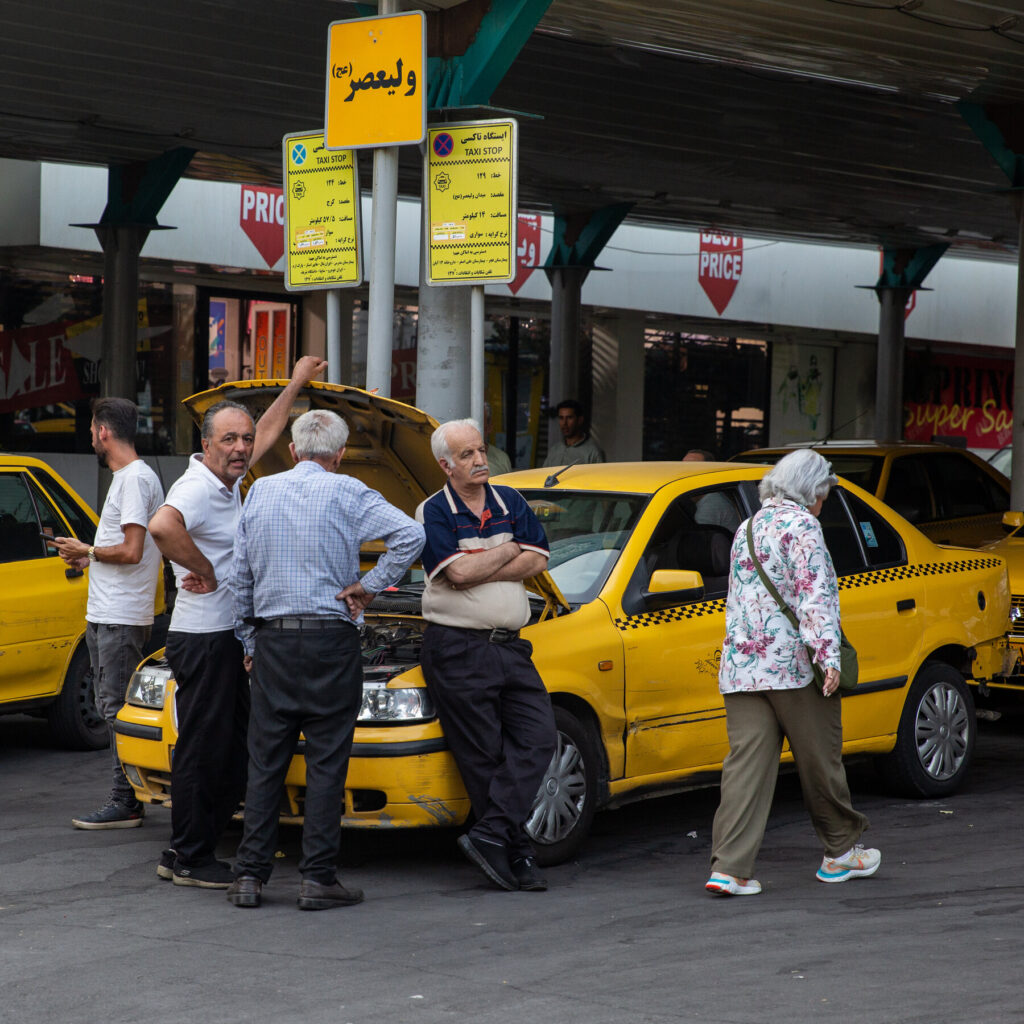
Experts warn that a campaign aimed at avoiding military escalation could instead provoke it, as Iranian leaders vow retaliation across the oil-rich Gulf. The United States is attempting to pressure Iran by tightening the screws on its economy, betting that financial pain will bend Tehran's behavior without firing a shot. The idea behind the squeeze is straightforward: cut off revenue, limit trade, raise the cost of defiance, and hope Iranian leaders conclude that continued confrontation is too expensive. Washington appears to be pursuing economic coercion as a substitute for direct military confrontation, framing the campaign as a way to change Iranian policy while keeping troops out of a new Middle East conflict.
The campaign is designed to avoid military escalation, yet experts caution that the opposite outcome is possible. Instead of convincing Tehran to back down, intensified economic pressure could push Iranian leaders toward retaliation. That risk is especially acute because Iran's leadership has publicly promised to hit back, and the oil-rich Gulf is the arena where such retaliation could unfold. U.S. strategy is therefore caught in a contradiction: by squeezing Iran's economy, Washington hopes to avoid war, but Tehran may see retaliation as a way to raise the price of pressure and force adversaries to recalculate.
When a government faces a severe economic squeeze, it often looks for ways to demonstrate strength at home and abroad. Iranian leaders have already vowed to retaliate, suggesting they see escalation, not concession, as the more useful response. A nation that believes it has little left to lose in economic terms can become less cautious, not more. The very pressure meant to deter confrontation can therefore create the conditions for the conflict it seeks to prevent. Years of sanctions have already limited the economic gains ordinary Iranians might expect from cooperation with the West; if the latest squeeze confirms that accommodation brings no reward, Tehran may choose confrontation as its only available reply.
Iranian leaders have vowed retaliation across the oil-rich Gulf, turning a regional economic contest into a potential flashpoint. Public vows of this kind signal resolve to domestic audiences suffering under sanctions, warn adversaries that pressure will not go unanswered, and lay the groundwork for future action. Once such a promise is made, backing down carries its own risks, including loss of credibility at home and abroad.
The Gulf region holds enormous oil wealth, making it central to global energy supply. Any retaliation touching oil fields, export terminals, shipping lanes, or maritime traffic would ripple through energy markets far beyond the Middle East. Because the region's petroleum exports feed economies around the world, even the threat of disruption raises the stakes. The oil-rich Gulf thus offers Iran both leverage and a target: action there could hurt adversaries economically while commanding international attention.
For a country facing economic isolation, threatening the world's energy chokepoints is a form of asymmetric power. Iran does not need to defeat the United States militarily to make its adversaries feel pain. A single successful attack on shipping, a pipeline, or a refining complex could send insurance costs soaring, rattle oil prices, and remind consuming nations that Gulf stability is not guaranteed. That possibility gives Tehran influence its conventional forces alone cannot provide.
Economic pressure is often sold as the safer alternative to war, avoiding casualties and relying on markets rather than arms. But the safety of sanctions depends on how the targeted state reacts. If Iran concludes that the United States is trying to strangle its economy into submission, Tehran may decide it has no choice but to strike back. Experts warn that a campaign aimed at avoiding military escalation could instead provoke it, capturing exactly this danger. Each side reads the other's defensive move as a provocation, allowing economic coercion and military escalation to feed on each other.
The oil-rich Gulf is the source of a large share of the world's daily oil supply and a critical transit route for maritime energy trade. Disruption there affects gasoline prices, shipping costs, manufacturing inputs, and inflation across continents. Even limited Iranian retaliation could carry outsized consequences, putting tankers, export facilities, and energy infrastructure in the crosshairs. Tehran can turn its relative weakness into global pressure by targeting the arteries of the world's oil trade.
Observers should monitor Iranian rhetoric and any moves against Gulf oil infrastructure or shipping. They should also watch whether the United States adjusts its economic pressure or adds military deterrence to the mix. The coming weeks will test whether economic coercion can remain a substitute for war or whether it becomes the trigger. Key questions include whether Iran follows through on its vows, whether Washington offers an off-ramp, and whether Gulf Arab states mediate or strengthen defenses.
The U.S. effort to squeeze Iran's economy is a high-stakes gamble. Its goal is to force change without combat, but the campaign assumes that more pain will produce more restraint. Iranian leaders, however, have vowed retaliation across the oil-rich Gulf, a region whose oil wealth makes disruption uniquely dangerous. Experts warn that a campaign aimed at avoiding military escalation could instead provoke it, leaving policymakers with the uncomfortable truth that economic pressure can look like strength yet carry the seeds of conflict. If Washington misreads Tehran's threshold, the squeeze may not produce submission. It may produce the very military escalation both sides publicly say they want to avoid, and the oil-rich Gulf will be where the world feels the consequences first.
Originally reported by nytimes.com. Adapted for our readers with AI assistance.
Keep reading
Business
Nigeria's economic landscape in the second quarter of 2026 presents a mixed picture of fiscal press...
Business
Liverpool manager Andoni Iraola is confronting a significant selection headache as two key forwards, Cod...
News
Health News tamfitronics [Editor’snote:[Editor’snote: This transcript was generated using both transcription ...
TAMFIS NIG LTD
Electrical and instrumentation engineering, bid preparation and consulting, IT and software.