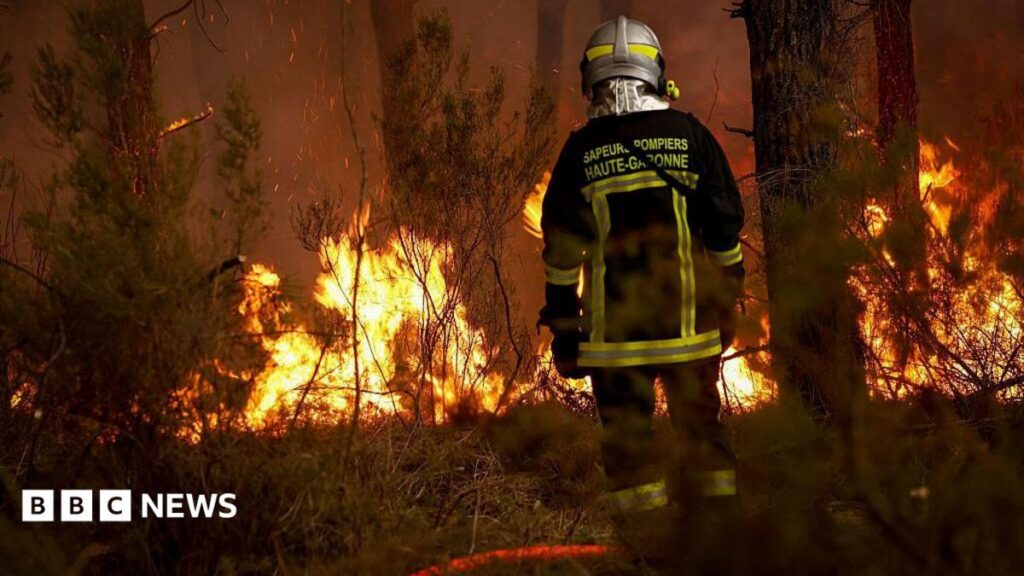
How Wildfires in France and Spain Could Disrupt Your Travel Plans
As wildfires rage across parts of France and Spain, tens of thousands of residents have been evacuated, and tourists face significant disruptions. With more than 300,000 people displaced and emergency measures in place, travelers planning to visit these regions need to stay informed. This article provides a comprehensive overview of the wildfire situation, travel advisories, insurance considerations, and practical advice to help you make informed decisions about your upcoming trips.
How Wildfires in France and Spain Could Disrupt Your Travel Plans
Current Wildfire Situation in France and Spain
The summer of 2026 has seen severe wildfires affecting multiple regions in France and Spain. In France, the departments of Gironde and Landes in the southwest are among the hardest hit, with the official French wildfire map assigning the highest alert level to Gironde and Pyrénées-Orientales. Other areas such as Aude and Var are under the second highest alert. Over 20 active fires are reported across the country, including on the island of Corsica.
In Spain, the situation has escalated to a national emergency, particularly in the Madrid and Ávila regions. Additional inland areas are also experiencing wildfires, contributing to widespread concern. These fires have forced the evacuation of more than 300,000 people, many of whom are now housed in temporary shelters such as sports halls.
Local authorities are actively managing the crisis, with officials urging tourists to avoid affected areas. Sophie Brocas, prefect of Gironde, explicitly advised visitors to reconsider their travel plans and seek alternative destinations to reduce strain on emergency services.
Travel Advisories and Government Recommendations
While the UK government has not issued a blanket travel ban for France or Spain, it advises travelers to exercise caution. Access to wildfire-affected areas may be restricted at short notice, and road closures can occur unexpectedly. The government warns that further evacuations are possible as the situation evolves.
Travelers currently in or planning to visit these regions are urged to follow instructions from local authorities and emergency services closely. Emergency assistance in both countries can be reached by dialing 112.
Importantly, travel advisories are dynamic and may change rapidly depending on wildfire developments. Travelers should monitor official sources regularly to stay updated on any new warnings or restrictions.
One of the most pressing concerns for travelers is whether their insurance policies cover disruptions caused by wildfires. Coverage varies significantly depending on the insurer and the specific policy terms.
Chris Bose, director of general insurance policy at the Association of British Insurers, explains that if a policy includes trip disruption cover, it may cover costs arising from wildfire-related interruptions. However, only about half of travel insurance plans include 'catastrophe' coverage, which is essential for protection against events like wildfires.
Travelers should carefully review their policies or consult their insurers to understand the extent of their coverage. This includes whether cancellation, curtailment, or additional accommodation and travel expenses are reimbursable if affected by wildfires.
It is also important to note that insurance companies generally do not cover cancellations made solely due to a traveler’s reluctance to proceed with a trip if no formal travel ban or advisory against travel exists.
What to Do if Your Flight or Accommodation Is Cancelled
In the event that airlines or accommodation providers cancel bookings due to wildfires, travelers should first seek refunds or rebooking options directly from these providers.
According to travel insurance expert Anna-Marie Duthie, airlines are obligated to offer rebooking or full refunds if they cancel flights. For package holidays, refunds should cover all components, including flights, accommodation, and transfers.
However, if bookings were made separately, travelers must handle each provider independently. For example, an airline might refund a flight cancellation, but accommodation providers may not offer refunds if their properties remain unaffected by the fires.
Maintaining clear communication with all service providers and keeping documentation of cancellations and communications can facilitate smoother claims or refunds.
Should You Cancel Your Trip Now?
Deciding whether to cancel an upcoming trip amid wildfire concerns requires careful consideration. Rory Boland, editor of Which? Travel, advises travelers not to rush cancellations, especially if their departure date is more than a week or two away.
Since there is no official travel ban for the affected countries, canceling early may lead to forfeiting refund rights or insurance claims. Insurance policies typically do not cover cancellations made purely out of personal preference or fear of potential disruptions.
Travelers are encouraged to monitor the situation closely and wait until closer to their departure date to assess whether the trip can proceed or if flexible booking options become available. Travel companies are prioritizing customers with imminent departures, which may influence available options.
Ultimately, staying informed and maintaining flexibility can help travelers avoid unnecessary losses.
The Impact of Climate Change on Wildfires and Travel Insurance
The increasing frequency and severity of wildfires in Europe are linked to climate change. The World Health Organization reports a 57% increase in the area burned by wildfires across Europe since the summer of 2022.
This trend is expected to continue, intensifying wildfire risks and potentially disrupting travel more frequently. Insurance companies are beginning to adapt to these emerging risks, although significant changes to policies have not yet materialized.
Currently, some insurance clauses refer to 'severe' or 'extreme' weather without precise definitions, which can lead to ambiguity in coverage. In the longer term, travelers may face higher premiums or find certain destinations becoming less insurable due to escalating wildfire risks.
Understanding these evolving dynamics is crucial for travelers planning future trips, as climate change may increasingly influence travel safety and insurance availability.
What this means
The ongoing wildfires in France and Spain present a significant challenge for travelers, residents, and emergency services alike. While the situation remains fluid, staying informed through official channels, understanding your travel insurance coverage, and maintaining flexibility in your plans are essential. For those with upcoming trips to affected areas, heed local advice and consider alternative destinations if necessary. As climate change continues to influence wildfire patterns, travelers should anticipate evolving risks and prepare accordingly to ensure safe and resilient travel experiences.
Originally reported by bbc.co.uk. Adapted for our readers with AI assistance.
Thousands of young protesters in Delhi continue to demand education reforms and the resignation of Education Minister Dharmendra Pradhan after a police crackdown. The…
Facing a looming financial collapse, Thames Water’s main lenders have offered the UK government a ‘golden share’ and increased local authority involvement to avoid…
Facing record-breaking temperatures and severe drought, Thames Water has introduced a hosepipe ban impacting over 10 million customers across parts of southern England to…