Business News
NDLEA Intensifies Operations Against Narcotic Trade and Illegal Trafficking
The National Drug Law Enforcement Agency has arrested multiple suspects and seized significant drug consignments in recent operations across Nigeria.
TAMFIS NIG LTDRC 8067447CAC ACTIVEFinima, Bonny Island, Rivers State

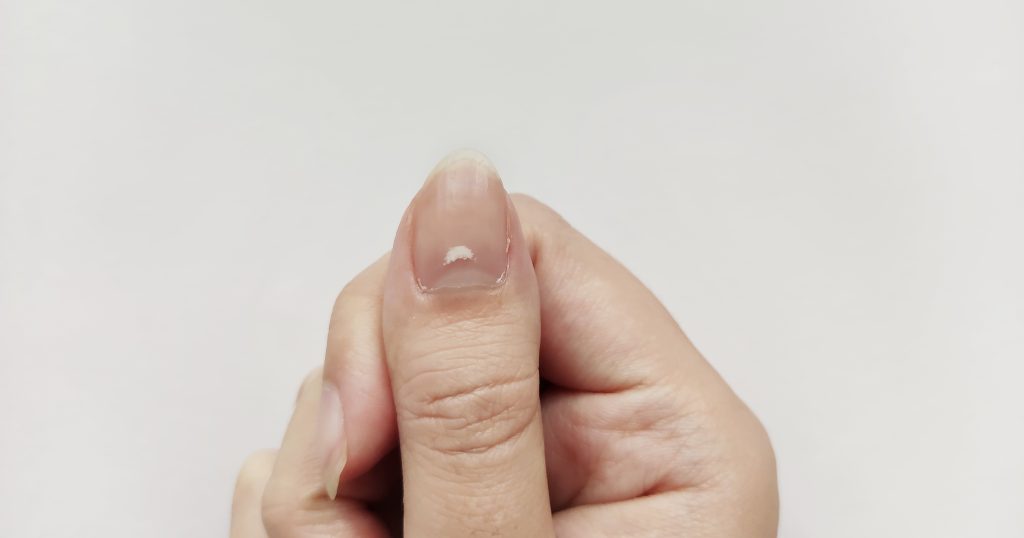
The appearance of white spots on your fingernails or toenails can be puzzling and sometimes concerning. These spots, often harmless, can be caused by a variety of factors ranging from minor injuries to more serious health conditions. Understanding the nature of these white spots, known medically as leukonychia, can help you determine whether they are simply cosmetic or signals of an underlying issue. In this article, we delve into the different types of leukonychia, explore their causes, discuss prevention strategies, and outline treatment options to help you maintain healthy nails and overall wellbeing.
White spots on nails are a common phenomenon referred to as leukonychia. This term broadly describes white discolorations appearing on the nail plate or nail bed. Leukonychia can manifest in various patterns and sizes, from tiny dots to larger patches covering significant portions of the nail surface. While these spots often raise cosmetic concerns, they usually do not signify serious health problems.
There are three primary types of leukonychia: true leukonychia, apparent leukonychia, and pseudoleukonychia. True leukonychia occurs when the nail plate itself becomes white or partially white. Apparent leukonychia results from changes in the underlying nail bed, causing the nail to appear white. Pseudoleukonychia involves white areas on the nail due to external factors such as fungal infections or trauma. Understanding these distinctions is essential for accurate diagnosis and appropriate management.
The appearance of these white spots can vary widely depending on their cause. For instance, true leukonychia spots tend to be small, white, and scattered, often resulting from minor trauma to the nail matrix. In contrast, apparent leukonychia may present as a more uniform whitening of the nail, sometimes signaling systemic health issues. Pseudoleukonychia often involves superficial white patches caused by external damage or infections.
The most frequent cause of white spots on nails is minor trauma to the nail matrix, the tissue under the base of the nail that produces nail cells. This trauma can result from everyday activities such as bumping your finger, aggressive manicures, or nail-biting. These injuries disrupt nail cell production, leading to white spots that grow out as the nail regenerates.
Nutritional deficiencies, particularly of minerals like zinc and calcium, can also contribute to the development of white spots. Although less common, these deficiencies affect nail health by impairing keratin formation, the protein responsible for nail strength and structure. Ensuring a balanced diet helps maintain healthy nails and reduces the risk of such abnormalities.
Certain medications, including chemotherapy drugs, may cause leukonychia as a side effect. Additionally, allergic reactions to nail polish, acrylic nails, or chemical exposure during manicures can damage the nail plate or bed, resulting in white spots. In some cases, fungal infections of the nail can mimic leukonychia, causing white discoloration that requires medical treatment.
While most white spots on nails are harmless, some types of leukonychia can signal more serious health problems. True leukonychia, when widespread, may be associated with conditions such as psoriasis, heart failure, or arsenic poisoning. These systemic illnesses affect nail formation and can cause noticeable color changes.
Apparent leukonychia, caused by changes in the nail bed, can be a marker of systemic diseases like kidney failure, liver disease, diabetes, or anemia. The nail’s appearance reflects alterations in blood flow or tissue health beneath the nail plate, making it a valuable diagnostic clue for clinicians.
If you notice persistent white spots accompanied by other symptoms such as nail deformities, pain, or changes in skin and hair, it is essential to seek medical evaluation. Early detection of underlying health conditions through nail examination can facilitate timely intervention and better outcomes.
Preventing white spots largely involves protecting your nails from trauma and maintaining good nail hygiene. Avoiding aggressive manicures, refraining from nail-biting, and being cautious when handling objects can minimize the risk of injury to the nail matrix. Using gentle nail care products and techniques helps preserve nail integrity.
Ensuring adequate nutrition is equally important. A diet rich in vitamins and minerals, especially zinc, calcium, and protein, supports healthy nail growth. If you suspect nutritional deficiencies, consulting a healthcare provider for appropriate testing and supplementation can be beneficial.
Additionally, limiting exposure to harsh chemicals found in some nail polishes, removers, and artificial nail applications can prevent chemical-induced nail damage. Choosing hypoallergenic products and allowing nails to breathe between treatments reduces the likelihood of allergic reactions and white spot formation.
When you visit a healthcare provider about white spots on your nails, they will begin by taking a detailed medical history and performing a physical examination of your nails and surrounding skin. They may ask about recent injuries, nail care habits, medication use, and any systemic symptoms you might be experiencing.
In some cases, further diagnostic tests may be necessary to rule out infections or systemic diseases. These tests can include blood work to check for nutritional deficiencies, liver and kidney function, or autoimmune markers. A nail biopsy, though rare, might be performed if there is suspicion of a more serious nail disorder.
Accurate diagnosis is crucial for effective treatment. Differentiating between benign causes like trauma and more serious conditions ensures that appropriate therapies are implemented and any underlying health issues are addressed promptly.
Treatment of white spots on nails depends on their underlying cause. For spots caused by trauma or minor injury, no specific treatment is usually required; the spots will grow out naturally as the nail regenerates. Maintaining nail health through moisturization and gentle care supports recovery.
If nutritional deficiencies are identified, supplementation and dietary improvements can help restore normal nail appearance over time. Addressing the root cause often results in gradual resolution of leukonychia without permanent damage.
In cases where white spots result from infections, antifungal or antibacterial treatments may be prescribed. For systemic conditions causing leukonychia, managing the primary disease is essential to improve nail health. Consulting a dermatologist or healthcare provider ensures tailored treatment plans.
If white spots on your nails are a cosmetic concern, there are several strategies to manage their appearance. Applying nail polish can temporarily conceal spots, but be cautious with frequent use to avoid further damage. Opt for breathable, non-toxic nail polishes and give your nails breaks between applications.
Regular moisturizing and nail conditioning can improve overall nail texture and strength, making white spots less noticeable. Using cuticle oils and hand creams supports nail bed health and prevents brittleness.
Avoid picking at or trying to remove white spots forcibly, as this can worsen nail damage. Patience is key, as nails grow slowly, and spots will typically disappear as new, healthy nail tissue replaces the affected areas.
Although most white spots on nails are harmless, certain signs warrant prompt medical attention. If you notice persistent or worsening white spots, changes in nail shape, thickness, or color, or accompanying symptoms like pain or swelling, consult a healthcare professional.
Individuals with known chronic illnesses such as diabetes, liver or kidney disease should report new nail changes to their doctors, as these may indicate disease progression or complications. Early evaluation helps guide appropriate management.
If you experience systemic symptoms such as fatigue, unexplained weight loss, or skin rashes alongside nail changes, seek medical advice promptly. Comprehensive assessment ensures timely diagnosis and treatment of any underlying conditions.
White spots on your nails are a common and often benign condition resulting from minor injuries, nutritional deficiencies, or external factors. However, they can occasionally indicate more serious underlying health problems, making it important to monitor any changes in your nails carefully. By understanding the types and causes of leukonychia, practicing good nail care, and seeking medical evaluation when necessary, you can maintain healthy nails and overall wellbeing. Remember, your nails can be a window to your health, so paying attention to them is a valuable practice.
Originally reported by popsugar.com. Adapted for our readers.
Keep reading
Business News
The National Drug Law Enforcement Agency has arrested multiple suspects and seized significant drug consignments in recent operations across Nigeria.
Health News
Health News tamfitronics Letters to the Editor
Health News
The Affordable Care Act (ACA), signed into law 14 years ago, has profoundly reshaped the United States h...
TAMFIS NIG LTD
Electrical and instrumentation engineering, bid preparation and consulting, IT and software.