Business News
NDLEA Intensifies Operations Against Narcotic Trade and Illegal Trafficking
The National Drug Law Enforcement Agency has arrested multiple suspects and seized significant drug consignments in recent operations across Nigeria.
TAMFIS NIG LTDRC 8067447CAC ACTIVEFinima, Bonny Island, Rivers State

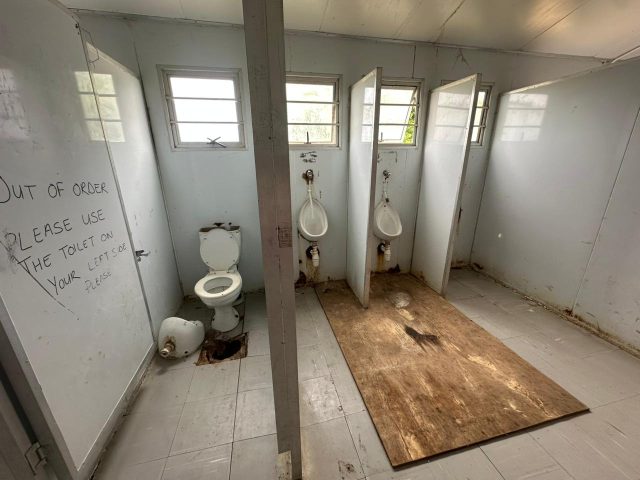
Sanitation is a fundamental component of a safe and conducive learning environment. Unfortunately, learners and educators at Port Alfred Junior Secondary School in the Eastern Cape are still battling inadequate toilet facilities more than a year after the issue was first brought to public attention. The situation has deteriorated due to vandalism, stalled repair projects, and ineffective temporary solutions. This article delves into the background, current challenges, and the impact of the sanitation crisis, while exploring the efforts made by the school and government authorities to resolve the issue. It also highlights the broader implications for learner well-being, dignity, and educational outcomes.
The sanitation challenges at Port Alfred Junior Secondary School first came to light in 2024 when Eastern Cape Department of Education MEC Bukiwe Fanta inspected the school’s toilet facilities. The inspection revealed deplorable conditions that compromised learner dignity and hygiene. Following this visit, the MEC pledged that the toilets would be rebuilt to provide a safe and sanitary environment for the school community.
In 2025, the Department appointed Mvula Trust as the contractor to undertake the repairs. However, the project encountered setbacks when the contractor withdrew unexpectedly. This withdrawal forced the Department to restart procurement processes, causing significant delays in addressing the urgent sanitation needs.
During this protracted period, the school’s existing toilets, already in poor condition, deteriorated further due to vandalism and theft of parts. This left the facilities completely unusable, intensifying the crisis and disrupting the normal functioning of the school.
Vandalism played a critical role in exacerbating the sanitation crisis. The school’s toilet blocks were targeted by vandals who broke in and stole essential components, rendering the facilities unusable. This destruction not only damaged physical infrastructure but also undermined efforts to maintain hygiene and safety standards.
Deputy Principal Juffrou Roslyn Baatjies explained that the damage included broken pipes and leaks requiring professional repairs beyond the school's capacity. Misuse of facilities further contributed to the deterioration, complicating the situation and making interim repairs ineffective.
The impact of vandalism extended beyond physical damage. It disrupted the school’s ability to provide basic sanitation services, affecting learner health and comfort. As a result, the school community had to navigate the challenges of inadequate toilet access while awaiting official intervention.
In response to the unusable toilets, the Department of Education provided 16 mobile toilets as a temporary measure. While this was a swift response, the mobile toilets themselves fell victim to vandalism and were never repaired, limiting their effectiveness as a stopgap solution.
The school attempted to manage the crisis internally by employing a cleaner to maintain the remaining facilities. Despite these efforts, the arrangements were financially unsustainable and insufficient to meet the sanitation needs of learners and staff.
The failure of temporary solutions resulted in significant disruption to the academic calendar. Learners reportedly lost about a week of schooling due to the inadequate facilities, underscoring how sanitation problems can directly affect educational continuity and learner well-being.
Sanitation challenges at Port Alfred Junior Secondary have raised serious concerns about learner dignity and health. Inadequate and unsanitary toilet facilities can lead to the spread of diseases and create uncomfortable, unsafe conditions that hinder learning and personal development.
The lack of functional toilets particularly affects female learners, who require privacy and hygiene facilities to maintain their dignity. This situation may contribute to absenteeism, especially among adolescent girls, thereby impacting their academic performance and retention.
School staff have also been affected by the sanitation crisis, facing additional stress and responsibility in managing hygiene under difficult circumstances. The ongoing issues highlight the critical importance of proper sanitation infrastructure in supporting education and well-being.
The Eastern Cape Department of Education has acknowledged the sanitation issues at Port Alfred Junior Secondary and included the school in an Infrastructure Flush Toilet Maintenance Programme. However, the withdrawal of the appointed contractor stalled progress, demonstrating challenges in project management and procurement.
Department Communications Officer Mali Mtima confirmed that a recent meeting involving the District Director, provincial infrastructure officials, and school representatives resolved that infrastructure officials must urgently report back with a viable solution. A follow-up meeting scheduled for February 2026 aims to finalize an urgent plan to address the crisis.
Despite these administrative efforts, the school has yet to receive a clear timeline for the permanent repairs or rebuilding of the toilets, leaving learners and staff in limbo. This delay underscores the need for improved accountability and faster implementation of infrastructure projects within the education sector.
The sanitation crisis has disrupted normal academic activities at Port Alfred Junior Secondary. With inadequate toilet facilities, learners face discomfort and health risks that detract from their ability to focus on studies. The loss of about a week of schooling exemplifies the tangible impact on education delivery.
Teachers and school management have had to navigate these challenges while trying to maintain a conducive learning environment. The additional burden of managing sanitation issues diverts attention and resources away from core educational priorities.
Moreover, the ongoing crisis may contribute to diminished morale among learners and staff, potentially affecting attendance and engagement. Ensuring proper sanitation is thus not only a matter of physical infrastructure but also essential for fostering a positive and productive school atmosphere.
Parents and the wider school community have expressed deep concern about the prolonged sanitation problems, emphasizing the importance of timely and effective solutions. They warn that continued delays jeopardize learner safety, health, and dignity, calling for urgent government action.
The community views the sanitation crisis as a reflection of broader systemic challenges within the education system, including resource allocation and infrastructure maintenance. Their advocacy highlights the critical role of stakeholders in holding authorities accountable.
Parents and school management remain hopeful that the upcoming departmental meeting will yield a concrete plan with clear timelines. They stress that resolving the crisis swiftly is essential to restore trust and ensure learners can attend school in a safe and dignified environment.
The situation at Port Alfred Junior Secondary underscores the urgent need for sustainable sanitation infrastructure in schools. Temporary fixes and stopgap measures have proven inadequate and unsustainable, highlighting the necessity for long-term planning and investment.
Effective solutions require coordinated efforts between government departments, contractors, school management, and community stakeholders. Transparent procurement, diligent project oversight, and protection against vandalism are critical components to prevent recurrence of such crises.
Investing in robust sanitation facilities not only safeguards health and dignity but also supports educational outcomes by providing learners with an environment conducive to learning. The case of Port Alfred Junior Secondary serves as a poignant reminder of these essential priorities.
The sanitation crisis at Port Alfred Junior Secondary School highlights the profound impact that inadequate infrastructure can have on education, health, and learner dignity. Despite initial promises and temporary interventions, vandalism and administrative setbacks have left the school without functional toilets for over a year, disrupting learning and compromising well-being. Addressing this issue requires urgent, coordinated action from government authorities, contractors, school management, and the community. Sustainable and well-maintained sanitation facilities are essential not only for protecting health but also for fostering an environment where learners can thrive academically and personally. The upcoming departmental meetings offer hope for a resolution, but the situation underscores the critical need for accountability and investment in school infrastructure across the Eastern Cape and beyond.
Originally reported by talkofthetown.co.za. Adapted for our readers.
Keep reading
Business News
The National Drug Law Enforcement Agency has arrested multiple suspects and seized significant drug consignments in recent operations across Nigeria.
Health News
Health News tamfitronics Letters to the Editor
Health News
The Affordable Care Act (ACA), signed into law 14 years ago, has profoundly reshaped the United States h...
TAMFIS NIG LTD
Electrical and instrumentation engineering, bid preparation and consulting, IT and software.