Business News
NDLEA Intensifies Operations Against Narcotic Trade and Illegal Trafficking
The National Drug Law Enforcement Agency has arrested multiple suspects and seized significant drug consignments in recent operations across Nigeria.
TAMFIS NIG LTDRC 8067447CAC ACTIVEFinima, Bonny Island, Rivers State

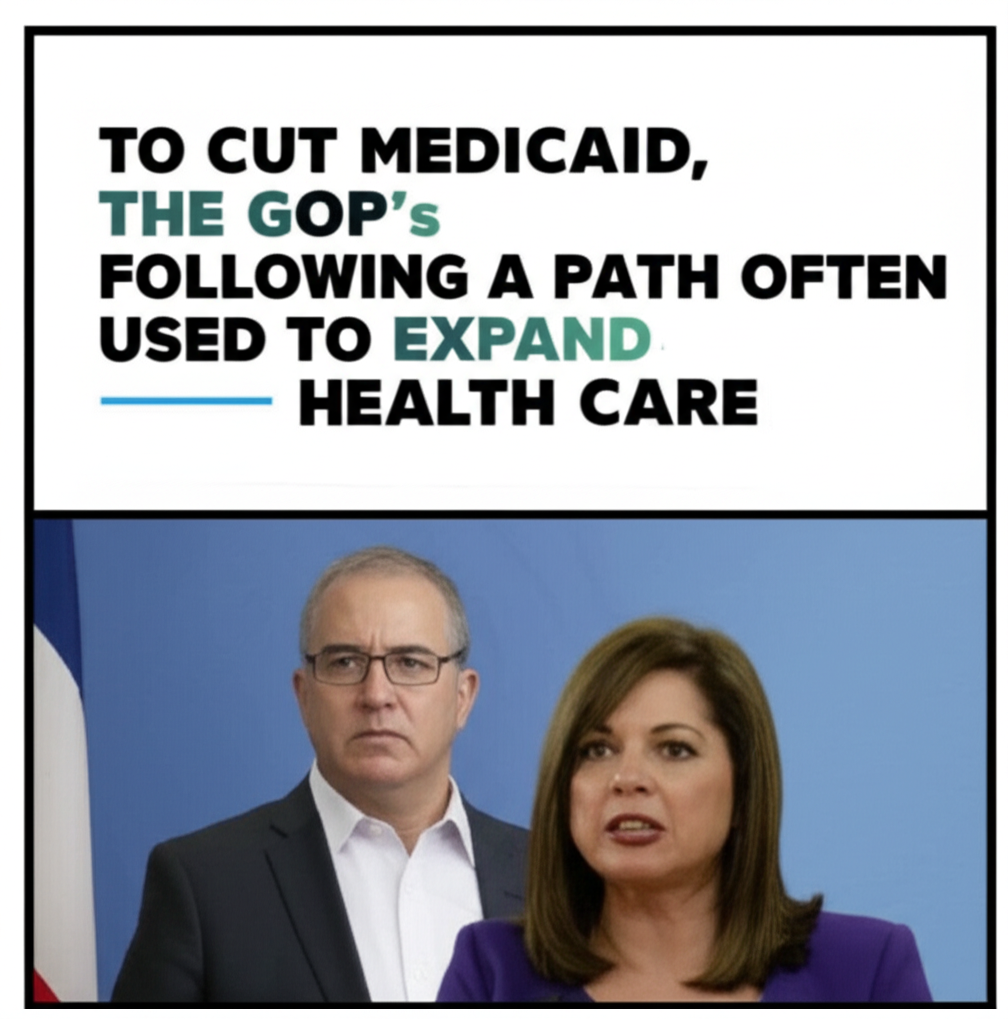
Since the 1980s, budget reconciliation has been a critical legislative mechanism for enacting major health care reforms in the United States. Traditionally, this process has facilitated expansions in health coverage, including the creation and enhancement of Medicaid and children’s health programs. However, the Republican Party’s recent efforts to use reconciliation to cut Medicaid funding under President Donald Trump’s “One Big Beautiful” budget reconciliation bill represent a significant departure from this historical pattern. This article examines the reconciliation process, its historical role in health policy, and the potential consequences of its current use to restrict Medicaid.
Budget reconciliation is a legislative process in the U.S. Congress designed to expedite the passage of budget-related bills. It allows the party controlling the Senate to pass legislation with a simple majority of 51 votes, bypassing the typical 60-vote threshold required to overcome a filibuster. This process is primarily used to adjust mandatory spending programs—such as Medicare and Medicaid—and tax policies, in line with the annual budget resolution set by Congress.
The reconciliation process is triggered when Congress needs to align mandatory spending and revenue policies with its budget goals. While it cannot be used to alter Social Security benefits due to political and procedural constraints, reconciliation has been instrumental in shaping health care policy for decades. Because reconciliation bills are considered “must-pass” and are less vulnerable to prolonged Senate debate, they provide a strategic avenue for lawmakers to enact significant changes, particularly in health programs.
Historically, reconciliation has been associated with expanding health coverage rather than restricting it. During the 1980s and 1990s, Democratic lawmakers frequently used reconciliation to broaden Medicaid eligibility for low-income individuals. This expansion was often financed by reducing Medicare payments to providers, effectively redirecting funds to increase access to Medicaid.
Several landmark health programs owe their existence to reconciliation bills. The Consolidated Omnibus Budget Reconciliation Act (COBRA) of 1985, for example, introduced provisions allowing workers who lose employer-sponsored insurance to continue coverage by paying full premiums. This act also included the Emergency Medical Treatment and Active Labor Act, which mandates hospitals accepting Medicare to provide emergency care regardless of a patient’s insurance status.
In 1989, reconciliation legislation established a new payment system for Medicare providers and created the Agency for Healthcare Research and Quality, which focuses on evaluating health care costs, quality, and effectiveness. Children’s health programs have also been a priority in reconciliation bills. The Vaccines for Children program (1993) and the Children’s Health Insurance Program (1997) were both products of this legislative process, significantly improving access to preventive care and insurance for millions of children.
The Affordable Care Act (ACA), the most significant health reform of recent decades, illustrates reconciliation’s critical role in health legislation. Although the ACA was initially passed through regular legislative procedures in 2009, the loss of a Senate supermajority following a special election threatened its enactment. To overcome this hurdle, Congress employed a separate reconciliation bill—the Health Care and Education Reconciliation Act of 2010—to finalize the ACA’s provisions.
This use of reconciliation ensured the ACA’s implementation despite partisan challenges, underscoring the process’s importance in passing comprehensive health reforms. The reconciliation process has thus been a reliable vehicle for expanding health coverage and strengthening the nation’s health programs.
The Republican Party’s current approach to using budget reconciliation to reduce Medicaid funding marks a significant departure from its traditional use. President Trump’s “One Big Beautiful” budget reconciliation bill aims to make sweeping changes to Medicaid and Affordable Care Act plans, with broad implications for the health care system.
This shift is unusual because reconciliation has historically been employed to expand health coverage or improve program efficiency. The GOP’s focus on cutting Medicaid through reconciliation is driven by the need to finance the renewal of expiring tax cuts, primarily benefiting wealthier Americans, and to increase military and border security spending. This reallocation of funds reflects a broader political strategy rather than a health policy initiative aimed at expanding access.
The potential impact of these Medicaid cuts could be substantial, affecting millions of low-income Americans who rely on the program for essential health services. The move also signals a broader ideological shift in how health care policy is pursued through budgetary mechanisms.
The GOP’s use of reconciliation to restrict Medicaid raises important questions about the future of health care policy in the United States. Given reconciliation’s historical role in expanding coverage, this new application could reshape how health programs are funded and structured.
If successful, these cuts may lead to reduced access to care for vulnerable populations, increased financial strain on hospitals and providers serving Medicaid patients, and potential shifts in state-level health care dynamics. Additionally, this approach could set a precedent for using reconciliation to pursue policy goals that traditionally required broader bipartisan support.
Policymakers and stakeholders will need to carefully weigh the budgetary benefits against the potential health consequences. The debate underscores the complex interplay between fiscal policy and health care access, highlighting the importance of transparent and balanced legislative processes.
Budget reconciliation has played a pivotal role in shaping American health policy for over three decades, predominantly serving as a mechanism to expand health coverage and improve program efficiency. The Republican Party’s recent efforts to use this process to reduce Medicaid funding under President Trump’s budget proposal mark a significant departure from this tradition. While reconciliation remains a powerful legislative tool, its application to constrict rather than expand health care access introduces new challenges and uncertainties. As the debate unfolds, understanding the historical context and potential implications of this shift is essential for policymakers, health care providers, and the public. Balancing fiscal responsibility with the need to maintain and improve access to health care will remain a critical challenge in the years ahead.
Originally reported by kffhealthnews.org. Adapted for our readers with AI assistance.
Keep reading
Business News
The National Drug Law Enforcement Agency has arrested multiple suspects and seized significant drug consignments in recent operations across Nigeria.
Health News
Health News tamfitronics Letters to the Editor
Health News
The Affordable Care Act (ACA), signed into law 14 years ago, has profoundly reshaped the United States h...
TAMFIS NIG LTD
Electrical and instrumentation engineering, bid preparation and consulting, IT and software.