Business News
NDLEA Intensifies Operations Against Narcotic Trade and Illegal Trafficking
The National Drug Law Enforcement Agency has arrested multiple suspects and seized significant drug consignments in recent operations across Nigeria.
TAMFIS NIG LTDRC 8067447CAC ACTIVEFinima, Bonny Island, Rivers State

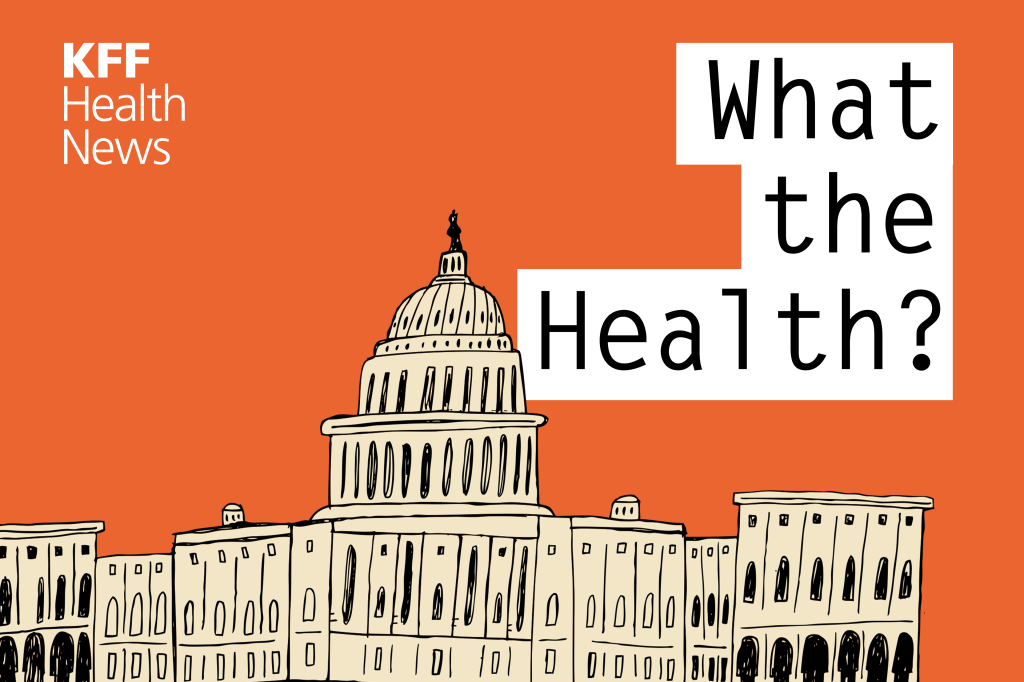
As the 2024 presidential campaign intensifies, health care remains a pivotal and contentious issue shaping voter decisions. KFF Health News’ podcast 'What the Health?' offers an insightful analysis of the health-related narratives and policy debates dominating the campaign trail. This article provides a thorough exploration of the key discussions from the latest episode, including candidate positions on reproductive rights, the Affordable Care Act (ACA), Medicare premium trends, and recent legislative shifts in abortion and fertility coverage. Understanding these elements is crucial for voters and health policy observers alike as election day approaches.
Health care continues to serve as a major battleground in the 2024 presidential election, with candidates from both parties framing the debate to sway voters. Democrats, led by Vice President Kamala Harris, emphasize protecting and expanding access to health care, particularly highlighting the ACA’s benefits and reproductive rights. They argue that Republican policies threaten to roll back these gains, citing past attempts to repeal the ACA and restrict abortion access.
In contrast, Republicans, spearheaded by former President Donald Trump, deny intentions to dismantle existing health care protections. They often focus on economic themes, promising to ‘make the country successful again’ without providing detailed health policy plans. This strategic ambiguity aims to appeal to a broad base while sidestepping potentially divisive health care topics.
This clash of narratives reflects broader ideological divides, with health care policy serving as a proxy for debates over government involvement, personal freedoms, and social equity. As the campaign unfolds, voters must navigate conflicting claims to discern each candidate’s genuine health agenda.
Vice President Kamala Harris has taken a proactive stance in the campaign by foregrounding health care issues, particularly the successes of the ACA. Her campaign has launched targeted advertisements underscoring the law’s protections for individuals with preexisting conditions and its role in expanding coverage to millions of Americans. This messaging resonates with voters who prioritize access to affordable health care.
Harris also confronts Republican efforts to restrict reproductive rights, framing the debate around personal autonomy and health equity. By spotlighting the impact of abortion restrictions, her campaign seeks to mobilize voters concerned about preserving these rights amid a shifting legal landscape.
Poll data indicates that health care remains a winning issue for Democrats, with many voters expressing support for the ACA and skepticism about Republican health proposals. Harris’ emphasis on these themes aims to solidify the party’s base and attract undecided voters who value health care security.
Republican candidates, including former President Trump and Senator JD Vance of Ohio, have adopted a more nuanced approach in discussing health care during the campaign. Vance, for instance, made headlines during the vice presidential debate by downplaying the likelihood of a national abortion ban, a position that appears designed to ease voter concerns regarding reproductive rights under a potential Republican administration.
However, some statements have raised questions about consistency and factual accuracy. Vance’s claim that Trump ‘salvaged’ the ACA contrasts sharply with the former president’s historical efforts to repeal the law. This ambiguity reflects a strategic attempt to appeal to moderate voters without alienating the party’s conservative base.
Trump’s responses to inquiries about Medicare and health care reforms have been similarly vague, often redirecting the conversation to economic success rather than outlining specific policy proposals. This approach allows Republicans to maintain flexibility but may leave voters uncertain about concrete health care plans.
Medicare remains a critical issue for many voters, especially seniors. Recent reports from the Centers for Medicare & Medicaid Services (CMS) indicate a slight decrease in average Medicare prescription drug plan premiums for the upcoming year. This development comes amid concerns that premium increases could offset savings from the new $2,000 annual out-of-pocket drug cost cap established under recent legislation.
The Biden administration’s ability to avoid a sharp spike in Medicare premiums represents a significant political win, potentially alleviating voter anxiety about health care affordability. Government subsidies have played a key role in cushioning premium costs, demonstrating the impact of federal policy interventions on health care expenses.
As open enrollment approaches, these Medicare trends will likely influence voter perceptions of the incumbent administration’s effectiveness in managing health care costs. Both parties recognize the importance of Medicare in their campaign messaging, with Democrats emphasizing protections and Republicans promising fiscal responsibility.
Abortion rights continue to be a flashpoint in the 2024 campaign and beyond. Recent judicial decisions, such as the striking down of Georgia’s six-week abortion ban, highlight the volatile and evolving nature of reproductive health policy. Despite legal victories, many providers have already exited restrictive states, limiting access for those in need.
The campaign has seen notable moments related to abortion, including Melania Trump’s public support for abortion rights, a stance that diverges from typical Republican orthodoxy. This reflects the complex and sometimes contradictory messaging within the GOP as it navigates voter concerns about reproductive freedoms.
On the legislative front, states like California have enacted laws protecting fertility treatments, including in vitro fertilization coverage for LGBTQ+ couples. These developments underscore the broader spectrum of reproductive health issues influencing both policy and political discourse.
Beyond campaign rhetoric, KFF Health News continues to shed light on real-world health care challenges through investigative reporting. A recent feature detailed the story of a teen athlete whose necessary surgery lacked a billing code, exposing gaps and complexities in the medical billing system that can lead to confusion and financial hardship for patients.
Such stories resonate deeply with the public, illustrating the need for greater transparency and reform in health care billing practices. They also provide a humanizing counterpoint to abstract policy debates, emphasizing the tangible impacts of health system inefficiencies on individuals and families.
KFF Health News invites readers to share their own medical billing experiences, fostering community engagement and highlighting systemic issues that require attention from policymakers and health care providers alike.
Each episode of 'What the Health?' concludes with panelists recommending notable health policy stories to broaden listeners’ understanding. Recent suggestions include coverage of doctors facing challenges in boycotting conferences due to abortion bans, experimental drug pricing models bypassing traditional US health system fees, and the impact of natural disasters on hospital supply chains and public health infrastructure.
These curated insights provide valuable context for the complex and interconnected nature of health care issues, from legislative battles to operational challenges in health care delivery. They encourage a more informed and nuanced public discourse on health policy.
By engaging with these recommended readings, voters and health advocates can deepen their knowledge and better appreciate the multifaceted forces shaping American health care today.
The latest episode of KFF Health News’ 'What the Health?' offers a comprehensive window into the health policy debates shaping the 2024 presidential campaign. As candidates vie for voter trust, health care remains a defining issue, encompassing contentious topics like the Affordable Care Act, reproductive rights, Medicare affordability, and systemic health care challenges. By critically examining these narratives and policy developments, voters can make more informed decisions about the future direction of American health care. Continued engagement with trusted sources like KFF Health News is essential to navigating the complex intersection of health and politics in the months ahead.
Originally reported by kffhealthnews.org. Adapted for our readers.
Keep reading
Business News
The National Drug Law Enforcement Agency has arrested multiple suspects and seized significant drug consignments in recent operations across Nigeria.
Health News
Health News tamfitronics Letters to the Editor
Health News
The Affordable Care Act (ACA), signed into law 14 years ago, has profoundly reshaped the United States h...
TAMFIS NIG LTD
Electrical and instrumentation engineering, bid preparation and consulting, IT and software.