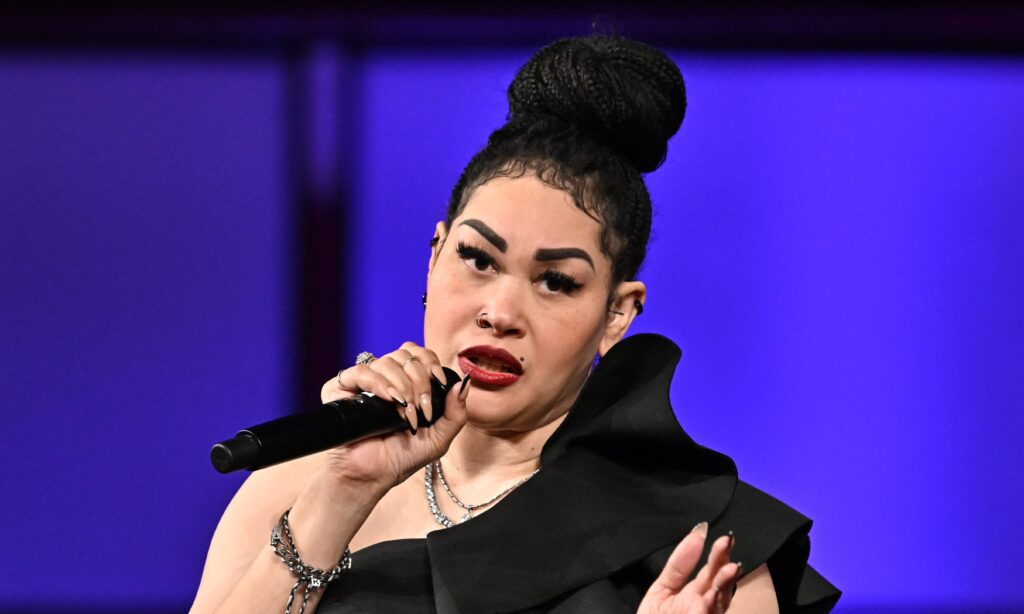
Keke Wyatt Reacts After Her Son Claims She Said His Cancer Diagnosis Was “Karma” For His “Alphabet Mafia” Sexuality
When celebrity family matters spill into the public domain, they often reflect broader societal patterns worth examining. The recent exchange between American R&B artist Keke Wyatt and her son Rahjah regarding allegations about comments made during his cancer treatment has attracted significant online attention. While rooted in personal circumstances, this situation illuminates themes of intergenerational communication, health privacy, and digital reputation that resonate globally, including within Nigerian contexts where family businesses, community standing, and digital footprints increasingly intersect.
The Digital Amplification of Family Matters
In an era where smartphones enable instant sharing of personal experiences, family disagreements can rapidly transition from private conversations to public discourse. Rahjah Wyatt's initial TikTok video, which utilised the 'Put A Finger Down' challenge format to share his perspective on his mother's alleged comments during his cancer journey, exemplifies how younger generations leverage social platforms to narrate their experiences. This trend reflects a broader shift where digital natives often view online spaces as venues for processing personal history and seeking communal validation.
For Nigerian families, particularly those with members living abroad or maintaining transnational connections, this dynamic presents both opportunities and challenges. While social media can facilitate support networks across distances, it also risks exposing sensitive family matters to unintended audiences. The speed at which Rahjah's video gained traction demonstrates how quickly personal narratives can spread beyond intended circles, potentially affecting relationships and reputations in ways that are difficult to contain once initiated.
Health Privacy and Familial Communication During Illness
The core of the dispute centres on allegations regarding comments made about Rahjah's cancer diagnosis and its perceived connection to his sexuality. Wyatt's son claimed she attributed his illness to 'karma' related to his LGBTQIA+ identity, a suggestion she publicly denied. Regardless of the specific veracity of these claims, the situation highlights critical questions about how families communicate during health crises.
In Nigerian cultural contexts, where discussions about sexuality can remain sensitive and health matters are often considered family privacy, such situations require nuanced handling. Medical challenges like cancer treatment already impose significant emotional and financial burdens on families. When additional layers of interpersonal conflict emerge, particularly those involving identity or lifestyle perceptions, the strain on familial resources can intensify. Open, compassionate dialogue that separates medical facts from personal judgments becomes crucial during these periods.
Healthcare professionals and family counsellors often emphasise that illness impacts entire family systems, not just the diagnosed individual. Creating safe spaces for all family members to express fears, frustrations, and needs without resorting to blame or attribution can help maintain relational integrity during stressful health journeys.
Reputation Management in the Age of Viral Content
Keke Wyatt's eventual public response, issued days after her son's initial video gained traction, illustrates a common challenge faced by public figures—and increasingly, private individuals—when personal matters trend online. Her statement focused on denying homophobia while affirming her love for all children, choosing not to address each specific allegation raised by her son.
This approach reflects a strategic consideration in reputation management: determining which aspects of a viral narrative to engage with directly. For Nigerian professionals, entrepreneurs, and public figures, similar dilemmas arise when personal or business reputations become subjects of online discussion. The decision to respond, what to address, and how to frame that response requires careful weighing of potential outcomes.
Key considerations include assessing the accuracy of claims, understanding the audience driving the conversation, evaluating whether engagement might amplify rather than mitigate the issue, and determining what resolution looks like—whether that involves public clarification, private reconciliation, or simply allowing the news cycle to progress. In many cases, a measured, factual response that avoids emotional reactivity serves long-term reputation interests better than immediate rebuttals.
Intergenerational Relationships and Evolving Family Roles
Beyond the immediate controversy, Rahjah Wyatt's subsequent videos revealed additional layers to his family experience, including his description of assuming a 'Brother Daddy' role for his younger siblings and his efforts to rebuild connections after periods of estrangement. His disclosure about securing corporate employment and focusing on personal healing also highlights paths young adults may take when navigating complex family dynamics.
These elements resonate with evolving family structures in Nigeria, where economic pressures, educational migration, and changing social norms can reshape traditional family roles. The concept of elder siblings taking on parental responsibilities—whether financially, emotionally, or in caregiving capacities—is not uncommon in Nigerian households facing economic hardship or parental absence. Similarly, young adults establishing boundaries while maintaining familial connections represents a growing trend as individual autonomy gains greater cultural space alongside collectivist values.
The situation underscores that family relationships require ongoing negotiation, particularly as members transition through different life stages. What works in childhood dynamics may need renegotiation in adulthood, especially when geographical distance, independent livelihoods, or differing worldviews enter the equation.
Implications for Nigerian Businesses and Professionals
While seemingly a personal matter, the Keke Wyatt situation offers transferable lessons for Nigerian businesses and professionals operating in increasingly transparent environments. First, it highlights how quickly internal communications or personnel matters can become externalised through employee or affiliate social media activity. Organisations benefit from clear, compassionate social media policies that respect employee expression while protecting legitimate business interests.
Second, the episode demonstrates the importance of addressing concerns promptly before they escalate into public narratives. In business contexts, this translates to robust internal grievance mechanisms and proactive stakeholder engagement. Third, Wyatt's focus on denying a specific characterisation (homophobia) rather than engaging with every allegation illustrates how entities might prioritise responses to protect core reputation elements when facing multifaceted criticism.
For Nigerian enterprises, particularly those with youthful workforces or strong digital presences, cultivating environments where concerns can be raised internally reduces the likelihood of external airing. Similarly, professionals building personal brands benefit from considering how family matters might intersect with their public personas and establishing boundaries accordingly.
What this means
The exchange between Keke Wyatt and her son Rahjah, while specific to their personal circumstances, serves as a case study in navigating family dynamics under public scrutiny—a scenario increasingly relevant in Nigeria's connected society. As digital platforms continue to blur the lines between private experience and public sharing, Nigerian families, professionals, and businesses face analogous challenges in managing communication, privacy, and reputation. The situation underscores enduring principles: the importance of compassionate dialogue during health challenges, the need for thoughtful reputation stewardship when matters trend online, and the value of maintaining family bonds even as individual paths diverge. For Nigerians balancing traditional communal values with contemporary individual expression and digital engagement, these insights offer guidance for fostering resilience in both personal relationships and professional endeavours.
Originally reported by theshaderoom.com. Adapted for our readers with AI assistance.
Governor Babagana Zulum's administration transformed Borno's devastated health infrastructure into a regional centre of excellence, committing over 15 percent of the state budget to…