EXCLUSIVE: GOP Lawmakers Back VA Push To Revoke Biden-Era Healthcare Rule
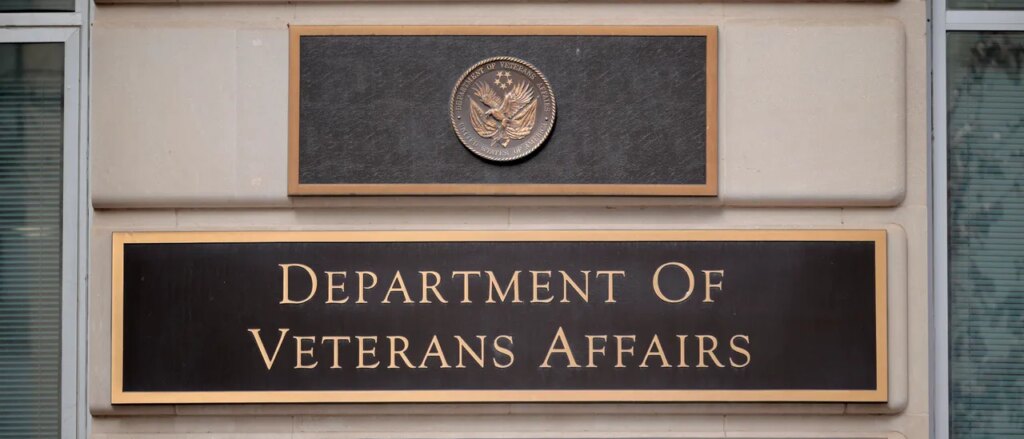
The Department of Veterans Affairs (VA) recently proposed rescinding a Biden-era healthcare rule that permitted abortion services within VA facilities. This move has garnered significant support from Republican lawmakers who argue that the rule violates federal law and oversteps legal boundaries. The rule, initially introduced as an Interim Final Rule, expanded abortion access to veterans and their dependents, sparking debate over its legality and ethical implications. This article delves into the details of the GOP-backed effort to revoke the rule, examining the legislative, medical, and societal dimensions surrounding this critical healthcare policy shift.
Background of the Biden-Era VA Healthcare Rule
The Biden administration issued an Interim Final Rule that expanded abortion access at Department of Veterans Affairs facilities across the United States. This policy marked a significant departure from previous VA healthcare provisions, allowing veterans and their dependents to access abortion services under certain health exceptions. The rule aimed to align VA healthcare with broader federal healthcare policies concerning reproductive rights.
Key provisions of the rule included permitting abortions at any stage of pregnancy if a medical professional deemed it beneficial to the mother's health. Additionally, the rule extended abortion coverage to dependents under programs such as the Civilian Health and Medical Program of the Department of Veterans Affairs (CHAMPVA) and TRICARE. These expansions were intended to provide comprehensive reproductive healthcare to veterans and their families.
However, the rule faced immediate criticism from various quarters, particularly from Republican lawmakers and conservative advocacy groups. Opponents argued that the policy contradicted existing federal statutes like the Veterans Health Care Act of 1992 and the Deborah Sampson Act of 2020, which they say limit abortion coverage within VA healthcare. The controversy set the stage for a concerted effort to roll back the policy.
Republican Lawmakers Unite Against the Rule
Republican representatives and senators have coalesced to support the VA's proposal to rescind the Biden-era abortion rule. Notable figures such as Reps. Michael Cloud of Texas and Chris Smith of New Jersey, along with Senators James Lankford of Oklahoma and Cindy Hyde-Smith of Mississippi, have publicly endorsed the move. They argue the rule represents an illegal overreach that undermines federal law and veterans' healthcare integrity.
These lawmakers submitted a formal letter to the VA, urging the department to restore healthcare policies to their pre-Biden status. The letter contends that the rule enables abortion on demand at VA facilities, which they claim violates statutory restrictions. They emphasize that the VA should adhere to 38 CFR 17.38, the existing regulation governing reproductive health services within VA healthcare.
Beyond legal concerns, GOP lawmakers express moral opposition to the policy, asserting that it promotes a pro-abortion agenda under the guise of healthcare. They stress the importance of protecting veterans' rights while ensuring that healthcare providers retain conscience protections. The bipartisan nature of veterans' healthcare makes this debate particularly sensitive and complex.
Legal and Regulatory Challenges to the Biden-Era Rule
Central to the opposition against the Biden-era rule is the argument that it conflicts with established federal laws. Critics point to the Veterans Health Care Act of 1992, which restricts abortion coverage in VA facilities except in cases where the mother's life is at risk. Similarly, the Deborah Sampson Act of 2020 is cited as reinforcing these limitations.
The GOP's letter highlights that the rule's broad health exception effectively permits abortion at any pregnancy stage if deemed beneficial by a healthcare provider. They claim this interpretation stretches legal boundaries and lacks clear statutory authority. This ambiguity raises constitutional questions about the VA's regulatory power and executive overreach.
Moreover, opponents contend that the rule's implementation bypassed standard regulatory procedures, with the policy introduced as an Interim Final Rule. This approach limited public input and expedited the policy's adoption, prompting calls for greater transparency and adherence to administrative law principles. The legal debate continues to evolve as the VA considers rescinding the rule.
Medical and Ethical Concerns Raised by Lawmakers
Republican lawmakers have also criticized the medical guidance and training associated with the Biden-era abortion policy. They argue that VA training materials for healthcare providers were manipulative, encouraging providers to avoid terms like 'baby' or 'mother' and instead use clinical language such as 'fetus' or 'pregnancy-capable person.' This, they claim, dehumanizes patients and distorts the reality of pregnancy.
The training reportedly framed pregnancy negatively, emphasizing risks and chronic health impacts in a manner that lawmakers describe as dangerously misleading. Critics assert that this approach pressures providers and patients toward abortion as the default or safest option, rather than presenting a balanced view of all pregnancy outcomes.
Lawmakers emphasize that lifesaving treatments for conditions like ectopic pregnancy and miscarriage management should not be conflated with elective abortion. They argue that genuine healthcare must prioritize the well-being of pregnant veterans without promoting abortion as a broad solution. Ethical concerns about patient autonomy and provider conscience rights are central to this debate.
Impact on Veterans and Healthcare Providers
The controversy surrounding the rule has significant implications for veterans who rely on VA healthcare services. Supporters of rescinding the rule argue that it safeguards veterans by ensuring medical care remains consistent with federal law and ethical standards. They believe that the removal of abortion coverage prevents potential confusion and maintains trust in the VA system.
Conversely, opponents of rescinding the rule warn that limiting abortion access could restrict healthcare options for pregnant veterans, particularly those in states with restrictive abortion laws. They argue that comprehensive reproductive healthcare, including abortion, is essential to veterans' overall health and autonomy.
Healthcare providers within the VA system are also affected by these policy shifts. The debate over training materials, patient counseling, and provider conscience protections underscores the complexity of delivering care in a politically charged environment. Balancing legal mandates, ethical considerations, and patient needs remains a challenge for VA medical staff.
Role of Advocacy Groups and Public Comments
Advocacy groups on both sides of the abortion debate have actively engaged with the VA's proposed rule change. Organizations like the Family Research Council have submitted public comments endorsing the rescission, framing it as a restoration of longstanding protections and respect for life. They argue that the Biden-era rule imposed radical changes without sufficient public input.
On the other hand, reproductive rights advocates have expressed concern that rescinding the rule would limit access to essential healthcare services for veterans and their families. They stress that the VA should provide comprehensive reproductive options regardless of political shifts, highlighting the importance of uninterrupted care.
The public comment period has become a battleground for these competing perspectives, influencing the VA's decision-making process. The department must weigh these inputs carefully while navigating the legal and political complexities inherent in healthcare policy for veterans.
Secretary Doug Collins’ Leadership and VA Policy Direction
VA Secretary Doug Collins has emerged as a key figure in the effort to rescind the Biden-era abortion rule. His administration has prioritized restoring the VA’s medical benefits package and CHAMPVA coverage to their pre-Biden status, emphasizing adherence to federal law and veterans' interests.
Collins' leadership reflects a broader shift within the VA toward policies that align with conservative principles and respect for veterans' diverse views. He has advocated for protecting healthcare providers' conscience rights and ensuring that veterans receive care consistent with legal frameworks.
The secretary's approach has garnered support from Republican lawmakers and conservative groups, reinforcing the political dimension of healthcare policy within the VA. His tenure may signal continued efforts to roll back policies perceived as overreaching or controversial, shaping the future landscape of veterans' healthcare.
Broader Implications for Healthcare Policy and Politics
The debate over the Biden-era VA abortion rule exemplifies the intersection of healthcare policy, legal authority, and partisan politics. It highlights how executive actions within federal agencies can become focal points for larger ideological battles, particularly on sensitive issues like reproductive rights.
This case also raises questions about the scope of administrative agencies' regulatory powers and the balance between public input and expedited policymaking. The VA's experience may influence how future healthcare policies are crafted, implemented, and challenged across the federal government.
Ultimately, the controversy reflects ongoing tensions in American society regarding abortion access, veterans' rights, and the role of government in healthcare. The outcome of this policy dispute will likely have lasting effects on veterans' healthcare services and the political landscape surrounding reproductive health.
Conclusion
The push by GOP lawmakers to rescind the Biden-era VA healthcare rule represents a significant moment in the ongoing debate over abortion access and veterans’ healthcare policy. By challenging the legal foundation and ethical implications of the rule, these legislators aim to realign VA services with federal statutes and conservative principles. As the Department of Veterans Affairs weighs public input and legal considerations, the outcome will have profound effects on the delivery of reproductive healthcare to veterans and their families. This development not only highlights the complexities of healthcare governance but also reflects the enduring political and societal divisions surrounding reproductive rights in the United States.
Originally reported by dailycaller.com. Adapted for our readers.
Governor Babagana Zulum's administration transformed Borno's devastated health infrastructure into a regional centre of excellence, committing over 15 percent of the state budget to…