Dark Age detoxes sometimes resembled TikTok health trends
In recent years, TikTok has become a bustling hub for health and wellness trends, where detoxes, herbal remedies, and unconventional beauty hacks quickly gain popularity. While many of these trends border on pseudoscience, a fascinating historical perspective shows that such practices are not unique to the digital age. Research into Dark Age medical manuscripts reveals that medieval detoxes and remedies often mirrored the spirit of today’s viral health fads. This article delves into the intriguing overlaps between Dark Age detoxes and modern TikTok trends, examining their origins, ingredients, and cultural significance while highlighting the enduring human desire to seek cures and wellness.
Medieval Medicine: Beyond the Myth of the Dark Ages
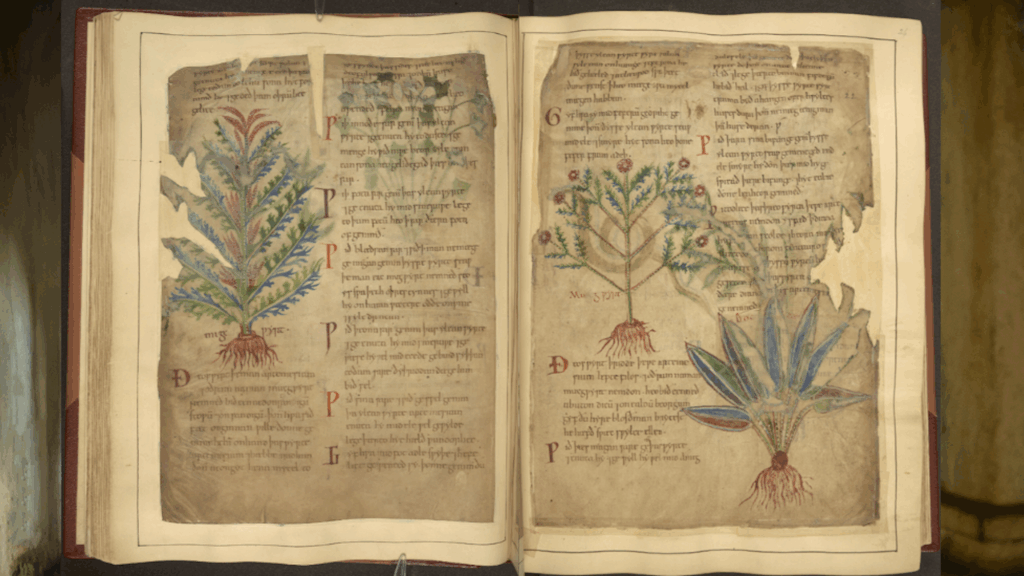
The term 'Dark Ages' often evokes images of scientific stagnation and superstition, yet recent scholarship challenges this narrative. Researchers, including medieval historian Meg Leja, have uncovered extensive early medieval medical manuscripts that reveal a sophisticated engagement with natural remedies and health practices. These texts, many previously unknown, showcase how people in the early Middle Ages actively explored and documented medicinal knowledge.
The Corpus of Early Medieval Latin Medicine (CEMLM) project has nearly doubled the catalog of known pre-11th-century Latin medical manuscripts, revealing a rich tradition of herbal and detox treatments. Far from being uniformly irrational, many remedies combined observation, experimentation, and practical use of natural ingredients. This nuanced understanding reshapes our perception of medieval medicine as a blend of empirical knowledge and cultural beliefs.
While some medieval remedies may seem strange today, it is important to recognize that these texts reflect a genuine curiosity about the natural world and human health. People sought to understand diseases, symptoms, and cures through the resources available to them, just as modern health enthusiasts explore wellness trends on social media platforms like TikTok.
Herbal Detoxes: The Common Ground Between Ages
One of the most striking parallels between Dark Age detoxes and TikTok health trends lies in the use of herbal ingredients. Medieval manuscripts frequently recommend herbs such as rosemary, sage, and rose oil for detoxification and healing purposes. These plants were valued for their aromatic and medicinal properties, much like how modern wellness influencers tout herbal teas and essential oils for cleansing and rejuvenation.
For example, a 9th-century headache remedy involved mixing crushed peach pits with rose oil and applying it topically—an approach that resonates with current interest in natural migraine relief. Scientific studies have since validated some benefits of rose oil, illustrating that certain medieval practices had a kernel of therapeutic potential.
Similarly, TikTok detox trends often involve herbal infusions, juices, and topical applications aimed at detoxifying the body or improving skin and hair health. This continuity underscores a longstanding human inclination to harness nature’s bounty for wellness, even if the scientific understanding behind these remedies has evolved significantly.
Bizarre Ingredients and Rituals: Then and Now
Alongside herbal detoxes, Dark Age remedies sometimes included bizarre ingredients and rituals that evoke the more eccentric side of TikTok health trends. For instance, some medieval recipes called for ashes of burnt green lizards or vulture eyes wrapped in fox pelts, believed to cure ailments ranging from scalp parasites to eye pains. These practices blended natural science with superstition and symbolic meaning.
Modern social media health trends occasionally mirror this blend of the plausible and the peculiar. From detox drinks featuring unusual combinations of ingredients to viral challenges promising miraculous results, the line between credible wellness advice and fringe pseudoscience is often blurred. Like medieval healers, contemporary influencers sometimes mix anecdotal evidence with cultural beliefs.
While many medieval treatments do not stand up to scientific scrutiny, their existence highlights humanity’s long-standing willingness to experiment and seek solutions beyond conventional knowledge. Today’s viral health trends continue this tradition, albeit amplified by digital platforms that can rapidly spread both helpful and harmful information.
The Role of Observation and Experimentation in Medieval Medicine
Contrary to the misconception that medieval medicine was purely mystical, historians emphasize that observation and empirical experimentation played significant roles. Scholars like Meg Leja argue that early medieval practitioners were keen observers of nature and human physiology, documenting effects of various substances and attempting to identify patterns and outcomes.
This scientific curiosity underpinned many detox and healing recipes, which were often refined over time based on trial and error. The recording of these observations in manuscripts indicates an early form of medical research, where natural substances were tested for their therapeutic utility.
This approach parallels how modern health trends sometimes arise from individual experimentation with diets, herbs, and supplements, shared widely on platforms like TikTok. Both eras demonstrate a grassroots form of health innovation driven by personal experience and communal knowledge exchange.
The Influence of Cultural Beliefs on Health Practices
Both Dark Age detoxes and modern TikTok health trends are deeply influenced by cultural beliefs and social contexts. Medieval remedies often incorporated symbolic elements believed to enhance efficacy, such as using specific animal parts or performing rituals alongside treatments. These practices reflected the worldview and spiritual understandings of their time.
Similarly, many social media wellness trends are shaped by contemporary cultural values, including holistic health, natural living, and skepticism of conventional medicine. The popularity of certain detoxes or beauty hacks can be tied to broader societal desires for control over health and well-being amid complex medical systems.
Recognizing the cultural underpinnings of health trends helps explain why some practices persist despite limited scientific evidence. Both medieval and modern communities seek meaning and reassurance in their health routines, blending tradition, innovation, and belief.
Risks and Benefits: Navigating Health Trends Across Time
While some Dark Age remedies contained ingredients with genuine medicinal properties, others posed risks or were entirely ineffective. The inclusion of toxic substances or unproven rituals sometimes caused harm or delayed effective treatment. Similarly, many TikTok health trends lack rigorous validation and can lead to adverse effects if followed blindly.
The challenge lies in discerning which practices offer real benefits and which are based on misinformation or placebo effects. Modern medicine relies on scientific research and clinical trials to evaluate treatments, a standard largely absent in medieval times and often overlooked in social media trends.
Consumers today must exercise critical thinking and consult healthcare professionals before adopting viral detoxes or remedies. Understanding the historical context of health practices reminds us that enthusiasm for natural cures has always coexisted with the need for evidence-based care.
Digital Amplification of Wellness Trends: A Double-Edged Sword
The rise of TikTok and other social media platforms has dramatically accelerated the spread of health trends, creating both opportunities and challenges. On one hand, digital media democratizes access to wellness information and encourages community sharing. On the other, it can amplify misinformation and promote unsafe practices at unprecedented speed.
Medieval healers might have viewed this phenomenon with suspicion, likening it to 'demonology' given the rapid and sometimes irrational spread of ideas. Unlike the slow dissemination of knowledge through manuscripts and word of mouth, social media enables trends to become global sensations overnight.
This amplification underscores the importance of digital literacy and responsible content creation. Just as medieval scholars sought to document and verify remedies, today’s influencers and consumers must prioritize accuracy and safety to navigate the complex landscape of online health advice.
Lessons from the Past: Applying Historical Insight to Modern Wellness
Examining Dark Age detoxes alongside TikTok health trends offers valuable lessons for contemporary wellness culture. It highlights the enduring human quest for natural, accessible health solutions and the blend of science and belief that accompanies this pursuit across centuries.
Historical insight encourages a balanced view—appreciating the potential benefits of herbal and natural remedies while remaining cautious of unverified claims or harmful practices. It also reminds us that health trends are shaped by cultural contexts and social needs, which evolve over time but maintain certain constants.
By learning from the successes and mistakes of past medical traditions, modern consumers and health professionals can foster a more informed, critical approach to wellness trends. This perspective promotes innovation grounded in evidence, respect for cultural heritage, and a commitment to public safety.
Conclusion
The striking parallels between Dark Age detoxes and contemporary TikTok health trends reveal that the quest for wellness is a timeless aspect of human culture. Both eras showcase a blend of observation, experimentation, and belief shaping health practices, reflecting the social and scientific contexts of their times. While modern medicine offers rigorous standards to evaluate treatments, the historical perspective reminds us to approach health trends—whether medieval or viral—with curiosity, caution, and critical thinking. Ultimately, learning from the past enriches our understanding of present-day wellness culture and guides us toward safer, more effective health choices.
Originally reported by popsci.com. Adapted for our readers.
Governor Babagana Zulum's administration transformed Borno's devastated health infrastructure into a regional centre of excellence, committing over 15 percent of the state budget to…