
Health News
Readers Name on Congress to Bolster Medicare and Repair Loopholes in Health Coverage
Health News tamfitronics Letters to the Editor
TAMFIS NIG LTDRC 8067447CAC ACTIVEFinima, Bonny Island, Rivers State

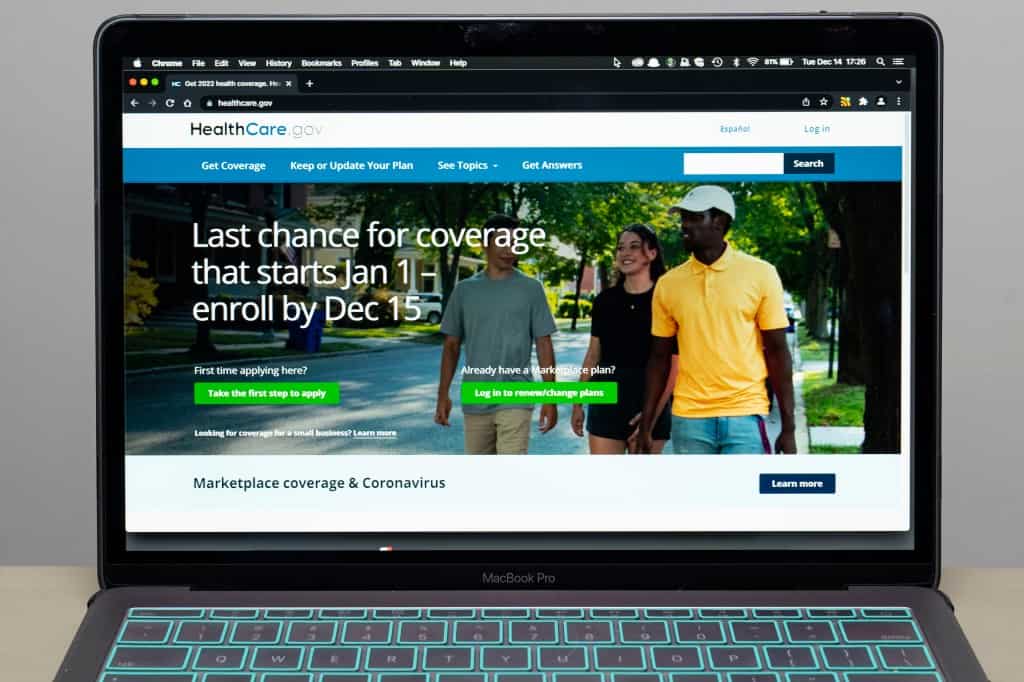
The integrity of personal data is paramount in today’s digital age, especially in healthcare enrollment systems that manage sensitive information like Social Security numbers (SSNs). Until recently, insurance brokers who assist consumers in signing up for Affordable Care Act (ACA) plans through federal marketplaces had broader access to full SSNs than intended. This raised significant privacy concerns, prompting a public push for stricter controls. In response, the Centers for Medicare & Medicaid Services (CMS) has taken swift action to curb this access, enhancing protections for consumers nationwide. This article explores the background, implications, and outcomes of these changes, providing a comprehensive understanding of this important development in healthcare data security.
Insurance brokers play a vital role in helping individuals navigate the complexities of health insurance enrollment under the Affordable Care Act (ACA). With over 70,000 licensed brokers nationwide certified to use healthcare.gov and its partner platforms, these professionals assist millions of Americans in selecting suitable plans and completing applications.
Brokers are required to meet specific training and licensing standards to gain access to federal and state enrollment systems. Their involvement aims to simplify the enrollment process for consumers, many of whom find the healthcare marketplace confusing or overwhelming.
However, the system’s design inadvertently granted brokers access to full Social Security numbers of consumers during the enrollment process. Although intended to facilitate verification and enrollment, this access raised concerns about data privacy and the potential for misuse.
Until recently, brokers could view consumers’ complete Social Security numbers through parts of the federal enrollment platform, specifically within developer tools sections not intended for routine use. This exposure was not widely known outside industry insiders and privacy advocates.
Joshua Brooker, an insurance agent and chair of a market committee for the National Association of Benefits and Insurance Advisors, was among the first to highlight this vulnerability. He warned that unauthorized or malicious actors with broker credentials could exploit this access, increasing the risk of identity theft or fraud.
The issue drew attention after a detailed report by KFF Health News outlined complaints about rogue brokers enrolling consumers without their consent or switching plans surreptitiously to collect commissions. Access to full SSNs exacerbated these risks by exposing sensitive personal data unnecessarily.
The problem gained wider public awareness following an NPR article published on April 1, which featured Brooker’s revelations. The article underscored how the system allowed brokers to access full SSNs, contrary to CMS’s initial statements that such data was hidden.
CMS initially disputed Brooker’s claims, asserting that Social Security numbers were masked or unavailable to brokers. However, after Brooker demonstrated the ease with which full SSNs could be accessed through developer tools, CMS acknowledged the vulnerability and committed to a prompt fix.
The media coverage and public outcry put pressure on CMS to act swiftly, demonstrating the power of transparency and advocacy in protecting consumer data within government-run health programs.
Recognizing the severity of the issue, CMS took immediate steps to restrict broker access to sensitive information. By April 6, the system was updated to mask the first six digits of consumers’ Social Security numbers on federal and state partner enrollment platforms, limiting broker visibility to only the last four digits.
Jeff Wu, acting director of the Center for Consumer Information & Insurance Oversight at CMS, issued a statement emphasizing the agency’s commitment to safeguarding personal privacy. He clarified that the vulnerability was isolated to developer tools and did not affect the healthcare.gov user experience for consumers themselves.
This rapid response not only mitigated the immediate risk but also set a precedent for ongoing vigilance and improvement in data security practices across federally facilitated health insurance exchanges.
The new restrictions have reshaped how brokers interact with consumer data, ensuring they only access necessary information while reducing opportunities for misuse. Brokers must adapt to the updated platform features and comply with stricter privacy standards.
For consumers, these changes enhance trust in the ACA enrollment process by protecting sensitive identifiers from unnecessary exposure. Knowing that full Social Security numbers are no longer accessible by brokers helps alleviate fears of identity theft or unauthorized plan changes.
Industry experts believe this development will encourage more consumers to seek broker assistance while maintaining confidence in the security of their personal data, ultimately supporting higher enrollment rates and better health outcomes.
Despite the CMS update, challenges remain in balancing broker access with consumer privacy. Continuous monitoring of system vulnerabilities and broker behavior is essential to prevent future incidents.
Further training and oversight of brokers are necessary to ensure ethical practices and compliance with privacy regulations. Consumer education about their rights and how to verify plan changes can empower individuals to protect themselves.
Additionally, CMS and partner platforms must invest in advanced cybersecurity measures and regular audits to safeguard data as technology and threats evolve, maintaining the integrity of the healthcare marketplace.
This incident highlights the complexities of managing sensitive health data within large federal systems. It underscores the need for rigorous privacy controls not only in healthcare but across all sectors handling personally identifiable information.
The case exemplifies how well-intentioned access provisions can inadvertently create security gaps, emphasizing the importance of designing systems with the principle of least privilege—granting access only to what is strictly necessary.
Furthermore, it demonstrates the critical role of stakeholders—including industry professionals, advocates, and regulators—in identifying, reporting, and resolving data privacy issues to protect consumers.
CMS’s prompt response to the SSN access issue marks a positive step toward stronger consumer protections in the ACA marketplace. However, ongoing collaboration between federal agencies, states, brokers, and consumer groups is crucial to sustain progress.
Future enhancements may include more granular access controls, enhanced broker accountability mechanisms, and greater transparency around data use policies to reassure consumers.
Ultimately, safeguarding personal data while facilitating access to affordable healthcare requires continuous innovation, vigilance, and commitment from all parties involved.
The recent CMS initiative to restrict insurance brokers’ access to full Social Security numbers represents a significant victory for consumer privacy in the ACA health insurance marketplace. Prompted by expert advocacy and media scrutiny, the agency’s swift action underscores the importance of transparency and responsiveness in safeguarding sensitive data. While challenges persist, this development fosters greater trust in the enrollment process and sets a foundation for continued improvements in data security. As healthcare systems evolve, ongoing vigilance and collaboration will be crucial to protect consumers and ensure equitable access to affordable coverage.
Originally reported by kffhealthnews.org. Adapted for our readers.
Keep reading
Health News
Health News tamfitronics Letters to the Editor
Health News
The Affordable Care Act (ACA), signed into law 14 years ago, has profoundly reshaped the United States h...
Health News
Health News tamfitronics [[Editor’s note: This transcript was generated using both transcription software ...
TAMFIS NIG LTD
Electrical and instrumentation engineering, bid preparation and consulting, IT and software.