From Victorian Origins to Olympic Dreams: The Evolution and Future of Netball
Netball’s journey from a modest playground pastime to a sport on the cusp of Olympic recognition is a story of resilience, innovation, and female empowerment. Originating in England during the late 19th century as part of a physical education revolution led by Martina Bergman Osterberg, netball has long been intertwined with feminist ideals and social progress. Today, it thrives as a fast-paced, highly skilled sport with millions of players worldwide and ambitions to secure its place on the Olympic stage. This article explores netball’s historical roots, its current professional landscape, and the challenges and opportunities it faces as it strives for global recognition.
From Victorian Origins to Olympic Dreams: The Evolution and Future of Netball
A Sport Born from Feminist Vision and Physical Education Reform
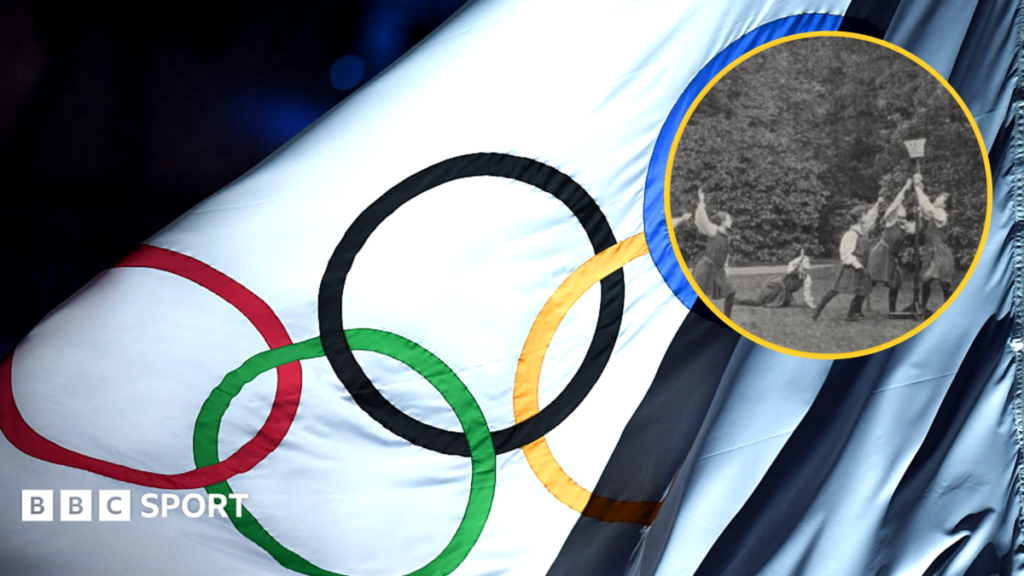
Netball’s origins trace back to the mid-1890s, emerging from the pioneering work of Martina Bergman Osterberg, a Swedish physical education reformer who established a college in Dartford, England. Osterberg’s mission was radical for her time: to cultivate 'physically perfect' women capable of teaching and leading in physical education. Rejecting prevailing notions that women’s bodies were fragile and best preserved for motherhood, she emphasized strength, health, and athleticism.
Inspired by basketball, invented in 1891 by James Naismith in Massachusetts, Osterberg adapted the game to suit her students, initially using waste paper baskets as goals. This adaptation, combined with influences from women’s basketball variants that imposed zone restrictions, gave rise to netball’s distinct rules and style of play. By 1901, formalized rules were established, and the sport began to spread to countries like Australia and New Zealand.
Osterberg’s college not only fostered the sport but also introduced innovations such as the gymslip, a practical alternative to restrictive corsets, symbolizing liberation and a break from traditional female constraints. Her students, often described as 'high priestesses of a new cult,' carried netball into schools across Britain, embedding it within a broader movement of women’s emancipation through sport.
Netball’s Unique Place in Women’s Sport and Its Global Growth
Unlike many sports with separate men’s and women’s versions, netball has remained predominantly a women’s sport, controlled and played by women throughout its history. This exclusivity has made it a unique platform for female leadership, teamwork, and empowerment. Academic research highlights netball as a 'misunderstood hotbed of feminist advancement,' where women have developed skills in leadership, management, and financial stewardship, often beyond traditional domestic roles.
Today, netball boasts approximately 13 million players worldwide, with England having the largest active player base at three million. Africa represents the continent with the highest participation, underscoring the sport’s expanding global footprint beyond its Commonwealth origins. The sport’s growth is supported by regular international competitions, including the World Cup, held every four years since 1963, and the Commonwealth Games, where netball is a marquee event.
Despite its popularity, netball has faced challenges in gaining widespread recognition and professional status. The sport’s non-contact nature and association with women have sometimes led to misconceptions about its athletic rigor. However, elite players and advocates emphasize the sport’s demanding physicality, strategic complexity, and fast-paced action.
The Professionalization of Netball: Progress and Challenges
Netball is currently undergoing a significant transformation toward professionalism. Elite leagues, such as Australia’s Suncorp Super Netball, offer some of the highest salaries in the sport, with top players reportedly nearing six-figure incomes. In contrast, the UK’s Netball Super League is still developing its professional framework, with many players earning modest wages and balancing secondary employment.
The UK league is two years into a 10-year plan aimed at full professionalization, a strategy driven by recent successes such as England’s Commonwealth Games gold medal in 2018 and their runner-up finish at the 2023 World Cup. These achievements have boosted public interest and attendance, with a 45% increase in spectators in the league’s first professional season.
Despite progress, financial sustainability and visibility remain concerns. Netball’s reliance on the Commonwealth Games as a showcase event is complicated by the Games’ uncertain future and the sport’s removal from the list of guaranteed core sports. This uncertainty has prompted netball’s governing bodies to explore alternative avenues for growth and exposure.
The Commonwealth Games and the Olympic Ambition
The Commonwealth Games have historically been a vital platform for netball, providing multi-sport exposure and a high-profile competitive environment. Over 150,000 tickets were sold for netball at the 2022 Birmingham Games, reflecting strong public support. Players and coaches alike value the Games for their role in the sport’s development and international profile.
However, the Commonwealth Games face challenges related to hosting costs and questions about their relevance in a post-colonial world. With netball no longer guaranteed a spot as a core sport, the future of its inclusion is uncertain. This has intensified efforts to secure netball’s place on the Olympic program.
Netball’s campaign for inclusion in the 2032 Brisbane Olympic Games is gathering momentum. The International Olympic Committee (IOC) requires sports to demonstrate strong governance, global reach, and alignment with Olympic values. World Netball president Dame Liz Nicholl emphasizes that Olympic inclusion would 'future-proof' the sport, offering unprecedented opportunities for growth and investment.
The potential Olympic debut would mark a historic milestone, elevating netball from a Commonwealth-centric sport to a truly global spectacle. It would also provide athletes with the ultimate competitive platform, fulfilling a long-held ambition within the netball community.
Looking Ahead: Netball’s Place in the Sporting World
Netball’s evolution from a Victorian physical education experiment to a professional, internationally recognized sport illustrates its resilience and adaptability. Its feminist roots continue to inform its culture and governance, maintaining a focus on female empowerment and leadership.
The sport’s future hinges on balancing tradition with innovation. Maintaining strong ties to the Commonwealth Games while pursuing Olympic inclusion reflects a pragmatic approach to expanding netball’s audience and opportunities. The introduction of a biennial World Cup from next year further demonstrates a commitment to increasing competitive exposure.
As netball moves into its next phase, challenges remain, including securing financial stability, expanding global reach, and overcoming lingering stereotypes. Yet, the sport’s passionate community, growing professional infrastructure, and historic significance position it well to meet these challenges.
Ultimately, netball’s story is one of transformation—turning two waste paper bins on a college lawn into a sport with Olympic aspirations. This journey underscores the power of sport as a vehicle for social change and the enduring impact of visionary pioneers like Martina Bergman Osterberg.
What this means
Netball’s trajectory from a niche physical education activity to a sport on the verge of Olympic recognition is a testament to its enduring appeal and the dedication of its community. Rooted in a legacy of female empowerment and innovation, netball continues to break barriers and redefine perceptions. As it prepares for the 2026 Commonwealth Games spotlight and eyes the 2032 Olympics, netball stands poised to expand its global influence and inspire future generations. Its story reminds us that sports can be powerful agents of social progress, and with strategic vision and commitment, even the most modest beginnings can lead to historic achievements.
Originally reported by bbc.co.uk. Adapted for our readers with AI assistance.
Thousands of young protesters in Delhi continue to demand education reforms and the resignation of Education Minister Dharmendra Pradhan after a police crackdown. The…
Facing a looming financial collapse, Thames Water’s main lenders have offered the UK government a ‘golden share’ and increased local authority involvement to avoid…
Facing record-breaking temperatures and severe drought, Thames Water has introduced a hosepipe ban impacting over 10 million customers across parts of southern England to…