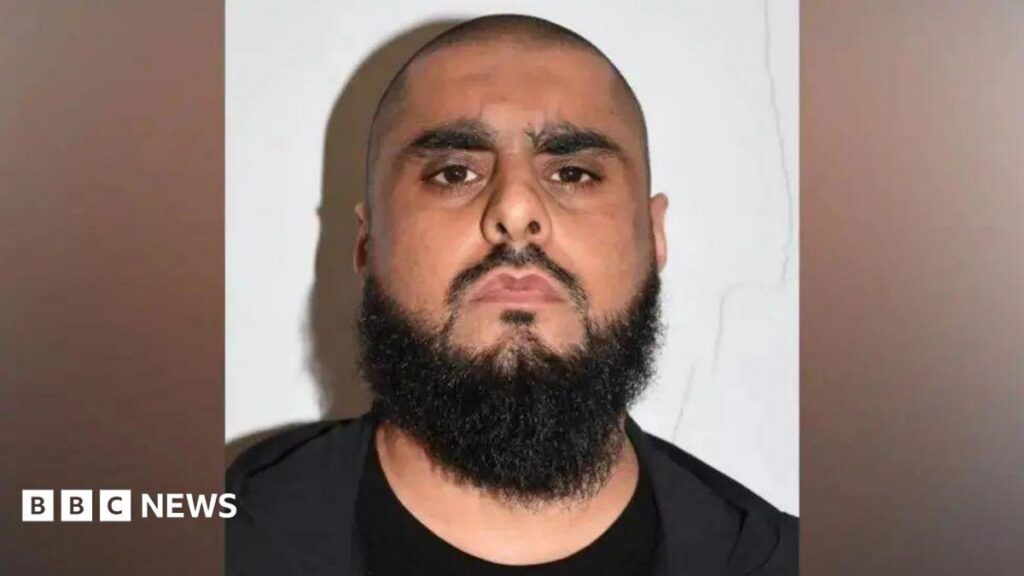
Friend of Manchester Synagogue Attacker Sentenced to Life for Plotting Military Base Attack
In a significant development in the investigation of extremist violence in the UK, Mohammad Bashir, a close associate of Jihad Al-Shamie—the perpetrator of the 2025 Heaton Park Synagogue attack—has been sentenced to life imprisonment. Bashir was found guilty of preparing an act of terrorism, specifically for his role in assisting Al-Shamie in conducting hostile reconnaissance on a British military training facility. This case sheds light on the ongoing threat posed by radicalized individuals and the challenges faced by law enforcement in preventing terrorist attacks.
Friend of Manchester Synagogue Attacker Sentenced to Life for Plotting Military Base Attack
Background of the Plot and Sentencing
Mohammad Bashir, aged 31 and from Cheetham Hill, Manchester, was sentenced at Manchester Crown Court after pleading guilty to preparing an act of terrorism. The court heard that Bashir had driven his friend Jihad Al-Shamie on a 10-hour round trip to the UK Defence Academy in Shrivenham, Oxfordshire, in August 2025. This reconnaissance mission was part of a broader plan to attack a British military target.
Mrs Justice Cheema-Grubb, who presided over the case, described Bashir as a "firmly committed jihadist" by the time of the reconnaissance trip. She emphasized that both men were equally engaged in planning an attack that they expected would result in fatalities on both sides. Despite Bashir's claims to a probation officer that he had renounced extremist views, the judge rejected these assertions, stating that he remained dangerous and had shown no genuine change in attitude.
Details of the Reconnaissance and Evidence
The reconnaissance trip to the Defence Academy lasted only 13 minutes, but it was a critical part of the planning process. Al-Shamie took detailed notes on security arrangements at the site, labeling them under the heading "espionage" on his phone. The Defence Academy in Shrivenham is a key training center for British military personnel, civil servants, and international students, making it a high-value target.
Following the synagogue attack in October 2025, counter-terrorism police reviewed Bashir's phone and discovered his close association with Al-Shamie. Their WhatsApp conversations revealed extremist views, frequent antisemitic remarks, and discussions about preparing for "war." Both men disposed of their phones after the reconnaissance trip, but investigators accessed cloud data that contained searches related to weapons, potential target sites, and individuals linked to the Israeli military.
CCTV footage further corroborated their plans, capturing the pair discussing their attack at the Al Sunnah Mosque in Manchester. They had mistakenly believed their conversations were private, but police surveillance provided crucial evidence of their intent.
The Heaton Park Synagogue Attack and Its Aftermath
Just weeks after the reconnaissance mission, Jihad Al-Shamie carried out a deadly attack on the Heaton Park Synagogue in Manchester. On Yom Kippur, the holiest day in the Jewish calendar, Al-Shamie drove his vehicle into the synagogue gates and proceeded to attack worshippers with a knife. Two men, Melvin Cravitz and Adrian Daulby, were killed in the assault.
Al-Shamie was wearing a fake suicide belt and was shot dead by police at the scene. The attack sent shockwaves through the local community and highlighted the dangers posed by homegrown extremism. Bashir, meanwhile, had traveled to Pakistan after the attack but was arrested upon his return to the UK.
Despite the prosecution's assertion that Bashir was involved in planning an attack with potentially national and international consequences, police stated there was no evidence that he was aware of Al-Shamie's specific plans to target the synagogue.
Law Enforcement Response and Counter-Terrorism Implications
Assistant Chief Constable Rob Potts of Greater Manchester Police described Bashir as a "dangerous individual" and emphasized the seriousness of his extremist activities. The case underscores the importance of vigilant counter-terrorism efforts, particularly in monitoring individuals with extremist views who may pose a threat to national security.
The successful prosecution relied heavily on digital evidence, including phone data, cloud storage, and CCTV footage, demonstrating the critical role of technology in modern counter-terrorism investigations. The disposal of phones by the suspects highlights the ongoing challenge for law enforcement in tracking and intercepting terrorist planning.
Potts expressed hope that the sentencing would serve as a deterrent to others considering involvement in extremist activities. The case also raises questions about the effectiveness of deradicalization efforts and the need for continued vigilance in communities vulnerable to radicalization.
What this means
The sentencing of Mohammad Bashir marks a critical moment in the UK’s fight against domestic terrorism. His active involvement in planning an attack on a key military installation alongside Jihad Al-Shamie, who later committed a fatal assault on a synagogue, highlights the persistent threat of radicalization and extremist violence. The case demonstrates the vital role of intelligence gathering, digital forensics, and community vigilance in countering such threats. While the legal system has acted decisively, the broader challenge remains: preventing individuals from embracing extremist ideologies and protecting vulnerable communities from the devastating consequences of terrorism.
Editor’s note: The following is AI-generated commentary and context on this topic, not original reporting.
Sentencing in Terrorism-Related Cases
Prosecutions connected to acts of terrorism in the UK typically involve extensive investigative work by counter-terrorism police and security services, often spanning digital communications, financial records, and testimony establishing the extent of an individual’s involvement in planning or facilitating violence. Life sentences, or lengthy minimum terms, reflect the severity with which the justice system treats any credible plan to attack security infrastructure, given the potential scale of harm such attacks could cause.
Cases that emerge from the investigation of a prior terrorist attack, such as one connected to an associate of a known attacker, often reveal the extent of a wider network of contacts and communications that security services must assess for future risk. These proceedings can also inform broader policy debates around how much surveillance and early intervention is appropriate when individuals show signs of extremist sympathies, balancing civil liberties against the imperative of preventing further attacks.
Originally reported by bbc.co.uk. Adapted for our readers with AI assistance.
Thousands of young protesters in Delhi continue to demand education reforms and the resignation of Education Minister Dharmendra Pradhan after a police crackdown. The…
Facing a looming financial collapse, Thames Water’s main lenders have offered the UK government a ‘golden share’ and increased local authority involvement to avoid…
Facing record-breaking temperatures and severe drought, Thames Water has introduced a hosepipe ban impacting over 10 million customers across parts of southern England to…