England’s World Cup 2026 Player Ratings: A Comprehensive Review
England concluded the 2026 FIFA World Cup with an exhilarating 6-4 victory over France in the third-place play-off, capping a tournament filled with dramatic matches and memorable individual performances. Under the management of Thomas Tuchel, the squad blended experienced campaigners with emerging talents, navigating injuries and tactical challenges. This article provides a detailed assessment of how each England player performed throughout the tournament, offering insights into their impact and potential moving forward.
England’s World Cup 2026 Player Ratings: A Comprehensive Review
Goalkeepers: Reliability Tested Under Pressure
Jordan Pickford remained England’s first-choice goalkeeper, demonstrating his capability to handle the pressures of a major tournament. Despite some inconsistent moments, including a notable error leading to Enzo Fernandez’s goal in the semi-final against Argentina, Pickford’s overall presence was solid. His best display came in that semi-final, underscoring his resilience even in defeat.
Dean Henderson, the backup goalkeeper, entered the fray in the bronze medal match against France. He produced a crucial save denying Kylian Mbappe but conceded three goals overall. Although his playing time was limited, Henderson showed readiness when called upon.
James Trafford, the third-choice keeper, did not feature in any matches but gained valuable experience by being part of the squad at his first World Cup.
Defensive Line: A Blend of Experience and Emerging Talent
Ezri Konsa was a consistent presence, featuring in every match and adapting to different defensive roles, including right-back in the quarter-final win over Norway. His contribution included scoring in the third-place play-off, reflecting his growing confidence on the international stage.
John Stones, despite fitness concerns prior to the tournament, started key matches including the quarter-final and semi-final. While showing quality and leadership, he was at fault for the decisive goal in the semi-final, a moment that highlighted the fine margins at this level.
Marc Guehi continued to be a dependable figure in defense, impressing particularly in the quarter-final against Norway where he managed the threat of Erling Haaland effectively.
Trevoh Chalobah’s selection sparked debate due to perceived weaknesses in full-back depth. His limited playing time—only a brief appearance late in the third-place match—meant he had minimal impact on the tournament.
Jarell Quansah, a surprise inclusion, showed promise in his first major tournament. Despite an injury and a red card, his performances when fit demonstrated why Tuchel valued his versatility and potential.
Dan Burn’s aerial strength proved useful, especially in the match against Mexico. However, reliance on his physicality as a defensive tactic was questioned, particularly in the semi-final against Argentina.
Nico O’Reilly, a young left-back who only became first-choice in November, started five matches and showed composure on the ball. Defensive improvements would enhance his future contributions.
Reece James, hampered by a hamstring injury, missed three games but returned to display his quality in the knockout stages, reaffirming his status as a key right-back.
Djed Spence emerged as one of the tournament’s breakout players. His ability to operate on both flanks, combined with pace and strong one-on-one defending, provided England with valuable tactical flexibility. His performances in the quarter-final, semi-final, and third-place play-off were particularly notable.
Midfield: Leadership and Emerging Brilliance
Declan Rice battled fitness issues but remained a physical presence in midfield. While his ball-handling was not at its peak, his leadership was evident as he captained England in the third-place match, contributing both a goal and an assist.
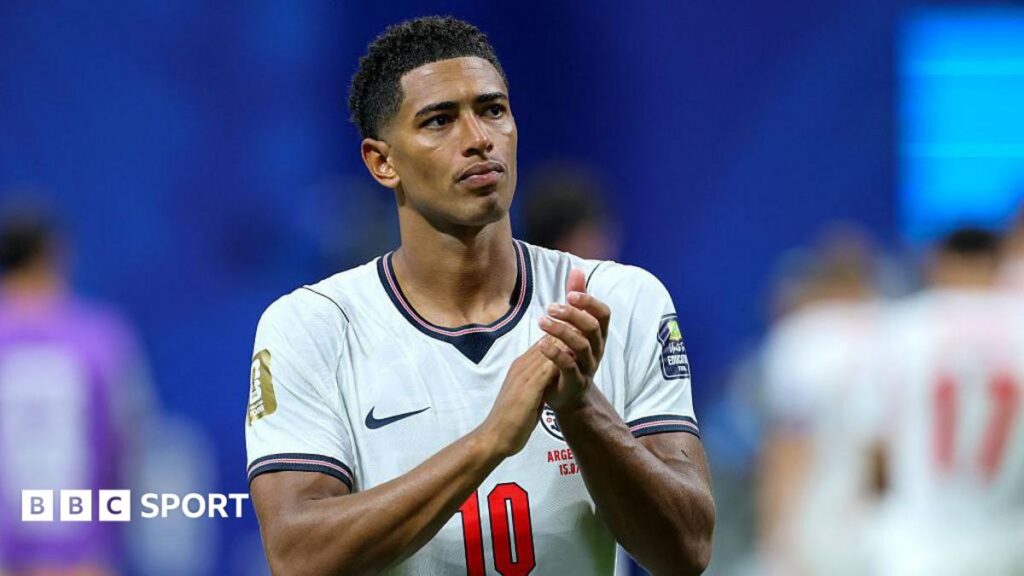
Jude Bellingham was the undisputed star of the tournament, elevating his game to new heights. Scoring seven goals, including a remarkable solo effort against France, he set a new record for most goals by an Englishman at a World Cup. His blend of skill, mentality, and consistency marked him as England’s talisman and a key figure for the future.
Jordan Henderson made history as the first English player to appear in four World Cups but suffered a broken arm after the Mexico match, which curtailed his involvement. Despite this setback, his experience was valuable to the squad.
Elliot Anderson was tasked with a demanding role as the starting number six. He started every game except the third-place play-off and showed promise, particularly in possession against Argentina. However, there remains room for growth in his ability to control games consistently.
Kobbie Mainoo did not feature in any matches, reportedly due to injury, leaving his potential impact untested.
Attackers: Moments of Brilliance and Areas for Consistency
Bukayo Saka entered the tournament with an Achilles issue, which limited his consistency. Nevertheless, he demonstrated his quality intermittently and capped the tournament with a hat-trick in the third-place play-off, showcasing his finishing ability.
Morgan Rogers played various attacking roles, contributing significantly in the quarter-final and semi-final. His physicality and versatility were assets, highlighted by an assist that sparked hope among England supporters.
Anthony Gordon overcame a slow start to become influential, providing assists and scoring key goals, including the opener in the semi-final. His progression throughout the tournament was a positive sign for England’s attacking options.
Eberechi Eze had a quieter tournament but remained a useful substitute option, notably assisting Saka in the third-place match.
Ollie Watkins had limited opportunities, with brief appearances that left questions about whether his pace and ability to run behind defenses could have been utilized more effectively, especially against Argentina.
Noni Madueke’s selection was debated, but his direct running and dribbling added a different dimension. He earned a penalty in the opening match, underlining his value to the team.
Ivan Toney’s inclusion was largely for his penalty-taking skills. He saw minimal playing time but was trusted to start in the third-place play-off, indicating confidence in his composure.
Marcus Rashford experienced a mixed tournament, scoring off the bench in the opener but being substituted early in one match and used sparingly later. He contributed an assist in the final game, demonstrating flashes of his capability.
Harry Kane continued to deliver goals and leadership, scoring six before the quarter-finals and assisting Bellingham against Mexico. However, the physical toll of extra-time matches appeared to affect his performance in the semi-final.
What this means
England’s 2026 World Cup campaign was marked by thrilling highs and challenging moments, culminating in a memorable third-place victory over France. The tournament showcased the emergence of Jude Bellingham as a world-class midfielder and highlighted the squad’s depth and versatility. While injuries and some inconsistencies posed challenges, the blend of youth and experience provides a solid platform for future success. Moving forward, addressing defensive lapses and enhancing midfield control will be crucial for England to convert potential into major tournament triumphs.
Originally reported by bbc.co.uk. Adapted for our readers with AI assistance.
Thousands of young protesters in Delhi continue to demand education reforms and the resignation of Education Minister Dharmendra Pradhan after a police crackdown. The…
Facing a looming financial collapse, Thames Water’s main lenders have offered the UK government a ‘golden share’ and increased local authority involvement to avoid…
Facing record-breaking temperatures and severe drought, Thames Water has introduced a hosepipe ban impacting over 10 million customers across parts of southern England to…