England’s 2026 World Cup Journey: Progress, Challenges, and the Road Ahead
England’s performance at the 2026 FIFA World Cup has reignited hope among fans and pundits alike. Securing a third-place finish—their best since lifting the trophy in 1966—the Three Lions demonstrated attacking flair, resilience, and a renewed sense of pride. Yet, beneath the celebratory headlines lies a nuanced story of tactical debates, managerial scrutiny, and the ongoing quest to convert promise into ultimate success. This article examines the key moments and themes from England’s World Cup journey, assessing the squad’s potential and the challenges they must overcome to claim a major international title.
England's 2026 World Cup Journey: Progress, Challenges, and the Road Ahead
A Historic Finish and Renewed Optimism
England’s 6-4 victory over France in the third-place playoff was not just a thrilling spectacle but a significant milestone. It marked their highest World Cup finish in six decades, signaling progress for a team long criticized for falling short on the biggest stages.
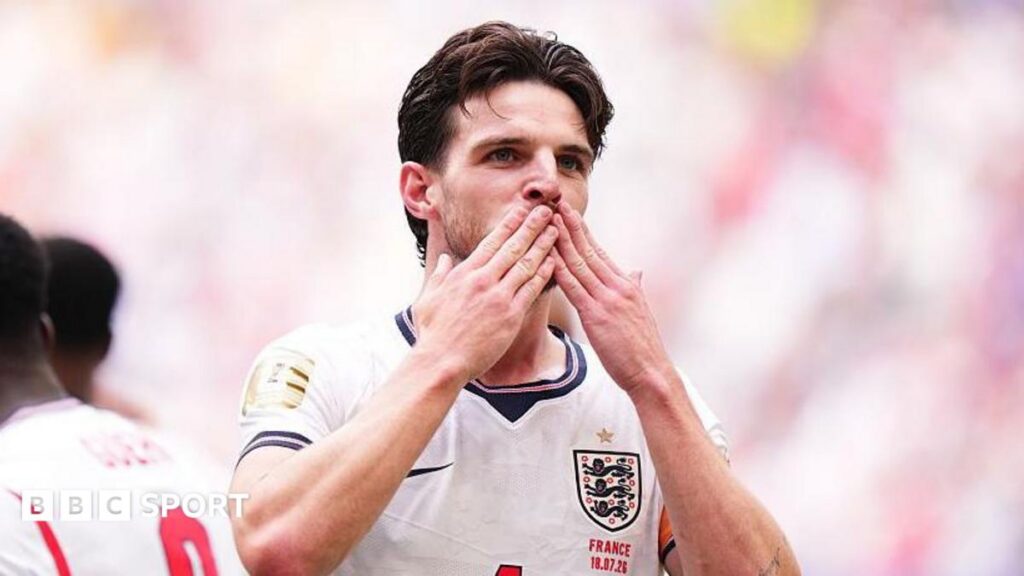
Captain Declan Rice, who led the side in the absence of Harry Kane during the France match, emphasized the quality and unity of this England group. He described the squad as “the best England group for a very long time,” underscoring a collective belief that major tournament success is within reach.
The emotional intensity of the campaign was palpable. Assistant manager Anthony Barry’s halftime interview during the France game revealed the players’ heartbreak over the semi-final loss to Argentina, yet also highlighted their pride and determination to finish strongly. This emotional transparency counters the outdated notion that England lacks passion or pride on the international stage.
Tactical Controversies and Managerial Scrutiny
Despite the celebratory mood following the win against France, significant questions remain about the tactical approach employed by manager Thomas Tuchel, particularly in the semi-final defeat to Argentina. Critics argue that England’s second-half passivity and cautious substitutions contributed to their downfall.
Tuchel himself acknowledged the disappointment but maintained confidence in the squad’s ability to close the gap with elite nations. He described the loss as a painful scar but not a terminal setback, emphasizing the competitive nature of high-level football where small margins decide outcomes.
Former players and pundits have voiced mixed opinions on Tuchel’s future. While some believe he deserves to continue, having learned valuable lessons in his first major tournament, others feel his tactical decisions, especially the reluctance to deploy pacey forwards like Bukayo Saka and Marcus Rashford earlier against Argentina, hindered England’s chances.
The debate over Tuchel’s management highlights a broader challenge for England: balancing defensive solidity with the attacking dynamism required to overcome top-tier opponents.
The Squad’s Strengths: Talent, Spirit, and Depth
England’s 2026 squad boasts a blend of experienced leaders and exciting young talent. Harry Kane, despite being 36 by the next World Cup cycle, remains a central figure and vocal supporter of the team’s unity and belief.
Bukayo Saka’s hat-trick against France showcased the squad’s attacking potential and depth. His performance also sparked discussions about his limited use in the semi-final, with Saka himself expressing readiness and fitness to contribute more.
The team’s spirit and camaraderie were repeatedly praised by players and staff alike. The visible bond on and off the pitch, from training sessions to celebrations, reflects a positive environment conducive to growth and resilience.
This cohesion, combined with individual brilliance, forms a strong foundation for England’s future campaigns.
Bridging the Gap to Elite Status
While England’s third-place finish is commendable, the ultimate goal remains winning a major tournament. The semi-final loss to Argentina, a team with a rich World Cup pedigree, underscores the fine margins and tactical nuances that separate contenders from champions.
Tuchel pointed out that while there is a slight gap between England and the world’s elite, it is not insurmountable. Closing this gap will require strategic adjustments, mental toughness, and perhaps a more flexible approach to in-game management.
The tournament also highlighted the importance of pace and power in breaking down defenses. The late introduction of players like Rashford and the absence of Saka in critical moments were seen as missed opportunities to exploit these strengths.
Going forward, England must refine their tactical identity to balance creativity with discipline, ensuring they can adapt to different opponents and match situations.
Looking Ahead: Euro 2028 and Beyond
With Euro 2028 set to be co-hosted in England, the national team faces a pivotal period to build on their World Cup momentum. Tuchel is expected to remain at the helm, tasked with addressing the tactical criticisms while nurturing the squad’s talent.
The next two years will be crucial for integrating emerging players, maintaining squad harmony, and developing a winning mentality that transcends past disappointments.
Leadership from veterans like Kane, combined with the hunger of younger stars, could propel England closer to their long-awaited major tournament breakthrough.
Continued investment in player development, tactical innovation, and psychological resilience will be key to transforming England from perennial contenders into champions.
What this means
England’s 2026 World Cup campaign delivered a thrilling spectacle and a historic finish, rekindling hope for a nation hungry for major tournament success. The squad’s blend of talent, spirit, and determination offers a promising platform, yet tactical questions and the challenge of overcoming elite opponents remain. As the team looks ahead to Euro 2028 and beyond, the lessons learned from this tournament will be vital. With the right adjustments and continued growth, England’s dream of lifting a major trophy once again may soon become a reality.
Thousands of young protesters in Delhi continue to demand education reforms and the resignation of Education Minister Dharmendra Pradhan after a police crackdown. The…
Facing a looming financial collapse, Thames Water’s main lenders have offered the UK government a ‘golden share’ and increased local authority involvement to avoid…
Facing record-breaking temperatures and severe drought, Thames Water has introduced a hosepipe ban impacting over 10 million customers across parts of southern England to…