England’s 2026 World Cup Journey: A Historic Finish Amid Lingering Questions
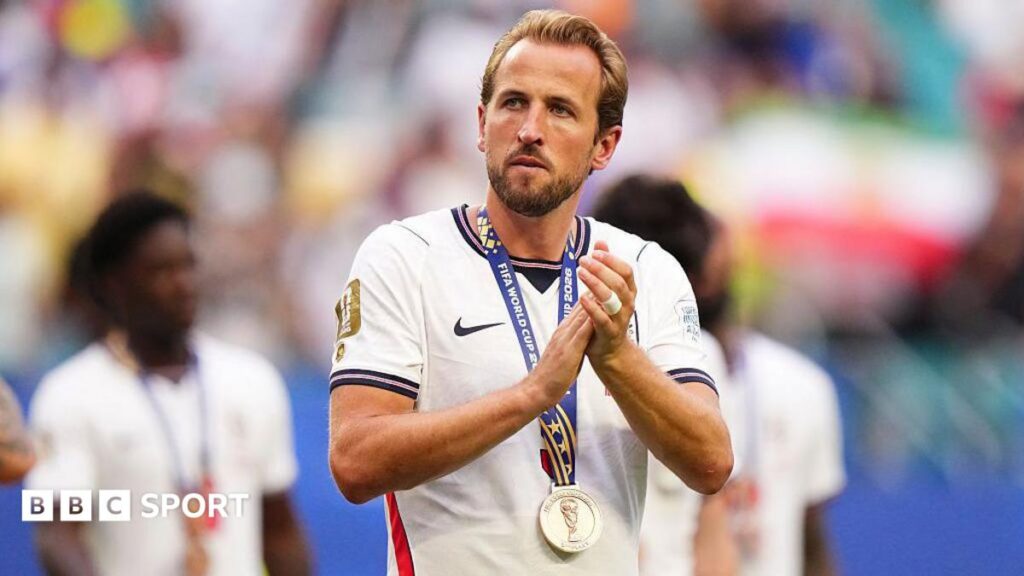
England’s men’s national football team concluded the 2026 FIFA World Cup with a thrilling 6-4 victory over France to claim third place—their best finish since lifting the trophy on home soil in 1966. Ranked fourth globally at the tournament’s start, the Three Lions reached the semi-finals for only the third time in over half a century, signaling progress on the world stage. However, the campaign was marked by tactical controversies, a painful semi-final loss to Argentina, and questions about the team’s ability to convert potential into ultimate success. This article examines how England’s 2026 World Cup performance should be judged, the players who stood out, the managerial challenges faced, and what the future may hold.
England’s 2026 World Cup Journey: A Historic Finish Amid Lingering Questions
A Historic Third-Place Finish After Six Decades
England’s 6-4 win against France in the third-place play-off was a high-scoring and dramatic conclusion to their 2026 World Cup journey. This result marked their best performance since their 1966 World Cup triumph, ending a 60-year wait to reach the semi-finals and secure a podium finish. The team began the tournament with strong expectations, ranked fourth in the world, and managed to navigate through the group stages and knockout rounds to reach the penultimate phase of the competition.
Reaching the semi-finals for only the third time since 1966 reflects a significant milestone for England, who have often struggled to progress deep into major tournaments. The victory over France, a formidable opponent, showcased the attacking potential and resilience within the squad, offering a glimpse of what the team can achieve when firing on all cylinders.
Semi-Final Setback and Tactical Controversies
Despite the historic finish, England’s campaign was overshadowed by a disappointing semi-final loss to Argentina. The defeat was marked by a second-half collapse, which exposed tactical vulnerabilities and raised questions about manager Thomas Tuchel’s approach under pressure. Tuchel, appointed to overcome England’s historical barriers at World Cups, faced criticism for adopting a passive and overly defensive strategy during the critical stages of the match.
Reports emerged of disagreements within the squad regarding Tuchel’s substitutions and tactical decisions, with some players feeling that the changes contributed to the team’s downfall. Assistant manager Anthony Barry described the team as playing with “broken hearts” during the third-place match, highlighting the emotional toll of the semi-final loss. The tactical approach in that game has sparked ongoing debate about whether England’s management can effectively balance defensive solidity with attacking ambition in high-stakes matches.
Player Performances: Stars Who Shone Bright
Several players stood out during England’s World Cup run, providing the backbone for their success. Harry Kane and Jude Bellingham were pivotal, often carrying the team through challenging matches. Bellingham finished the tournament with seven goals, edging out Kane by one, underscoring his emergence as a world-class talent. Their leadership and goal-scoring ability were crucial in securing victories against teams like DR Congo, Mexico, and Norway.
Defensive contributions also made a difference, with Tottenham’s Djed Spence earning praise for his performances, including a critical goal-line clearance against Argentina that many regarded as the tackle of the tournament. Meanwhile, creative players like Anthony Gordon and Bukayo Saka provided assists and attacking flair, though questions remain about whether Saka reached his full potential during the competition. At just 24, Saka is expected to be a key figure in future tournaments.
Looking ahead, the emergence of young talents such as Liverpool’s 17-year-old Rio Ngumoah and Arsenal’s 16-year-old Max Dowman offers hope for refreshing the squad and addressing some of the team’s current limitations.
Managerial Challenges and the Road to Euro 2028
Thomas Tuchel’s tenure as England manager has been under intense scrutiny following the World Cup. Despite his club-level success and knockout experience, his strategies at the international level have not yet delivered the breakthrough England seeks. The Football Association has publicly backed Tuchel for the foreseeable future, with plans for him to lead the team through Euro 2028. However, internal player concerns about his tactical decisions, especially the perceived defensive mindset in crucial moments, have fueled speculation about his long-term suitability.
Tuchel’s squad was built with a Premier League-style emphasis on physicality and centered around the talents of Kane and Bellingham. Yet, the team currently lacks a clear, adaptable playing pattern that can evolve quickly to meet the demands of major tournaments. The 2026 World Cup highlighted the need for a more potent and resilient England side that can maintain attacking intensity while managing defensive responsibilities.
The challenge for Tuchel will be to integrate emerging talents and develop a cohesive strategy that can overcome the psychological and tactical hurdles that have historically impeded England’s success on the international stage.
Fan Reaction and the Emotional Aftermath
The World Cup campaign elicited mixed reactions from fans and pundits alike. While the third-place finish is a tangible achievement, many supporters expressed frustration and disappointment, particularly regarding the semi-final exit and the perceived lack of ambition in the team’s tactical approach. Tuchel was booed by some fans before the third-place match, reflecting the raw emotions surrounding his management style and the team’s performance.
Within the England camp, the mood was understandably subdued after the semi-final loss. The concept of “brotherhood” within the squad, often cited by Tuchel, was tested as players and staff grappled with the heartbreak of missing out on a World Cup final. The emotional resilience of the team will be critical as they regroup and prepare for upcoming international challenges.
Looking Forward: What Must England Do to Win Major Tournaments?
England’s 2026 World Cup journey underscores a recurring theme: the team’s talent and potential are evident, but translating that into tournament victories remains elusive. To win Euro 2028 and beyond, England must address several key areas. First, the management must cultivate a mentality that combines confidence with tactical flexibility, enabling the team to respond effectively to different opponents and match situations.
Second, the squad needs to evolve beyond reliance on a few star players and develop greater depth and versatility. Incorporating young talents and fostering a balanced team dynamic will be essential. Third, attacking potency and defensive resilience must coexist; England showed flashes of brilliance in attack against France but faltered defensively against Argentina.
Finally, the psychological aspect—handling pressure and expectations—must be strengthened. The emotional scars from near misses can either hinder progress or motivate improvement, depending on how the team and management respond.
The road ahead is challenging, with formidable European rivals like France and Spain awaiting at Euro 2028. England’s ability to learn from the 2026 experience and implement strategic improvements will determine whether they can break the long-standing cycle of disappointment and secure a major tournament win.
What this means
England’s 2026 World Cup campaign represents a blend of historic progress and familiar frustrations. Securing third place after six decades is a noteworthy accomplishment, yet the semi-final defeat and tactical controversies reveal persistent challenges. The performances of key players and the emergence of young talent provide a foundation for optimism. However, the path to winning major tournaments like Euro 2028 requires addressing managerial strategies, squad depth, and psychological resilience. As the Three Lions reflect on their journey, the question remains whether they can harness this experience to finally break through and claim international glory once again.
Thousands of young protesters in Delhi continue to demand education reforms and the resignation of Education Minister Dharmendra Pradhan after a police crackdown. The…
Facing a looming financial collapse, Thames Water’s main lenders have offered the UK government a ‘golden share’ and increased local authority involvement to avoid…
Facing record-breaking temperatures and severe drought, Thames Water has introduced a hosepipe ban impacting over 10 million customers across parts of southern England to…