Deadly Wildfires Ravage Southern Europe Amid Intense Heatwaves
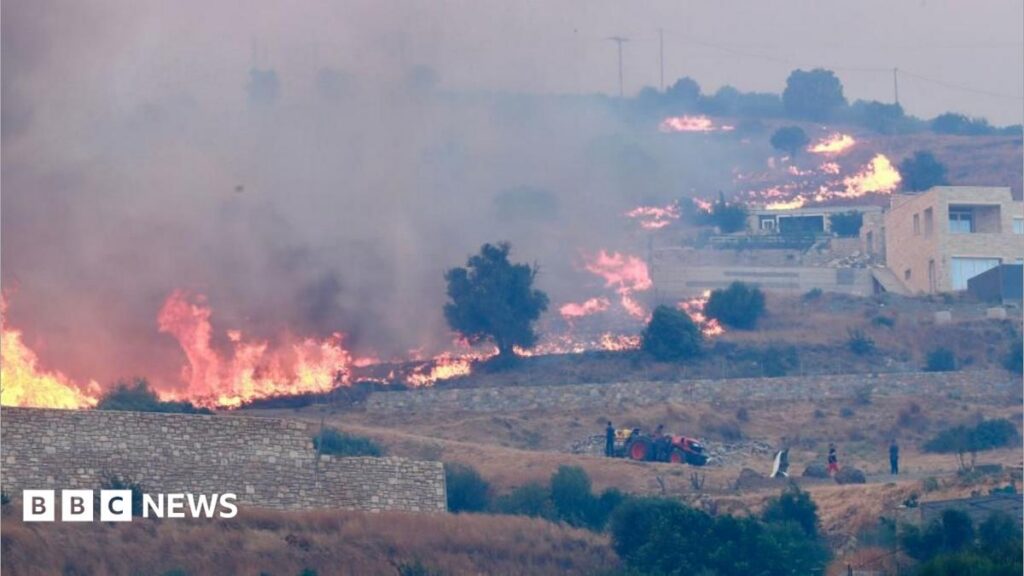
Southern Europe is grappling with a severe wildfire crisis exacerbated by extreme heatwaves and strong winds. In Greece, three firefighters lost their lives battling blazes on Crete and the Peloponnese, while Spain and France face ongoing threats from large-scale fires. These events underscore the growing challenges posed by climate change, which is intensifying heatwaves and increasing wildfire risks across the continent.
Deadly Wildfires Ravage Southern Europe Amid Intense Heatwaves
Tragic Losses in Greece Amid Fierce Wildfires
Greece has witnessed a devastating impact from wildfires this summer, with three firefighters losing their lives in separate incidents. On the island of Crete, two firefighters died after being trapped by rapidly advancing flames in the Rethymno region, where gale-force winds fueled the fire’s spread. The situation was so severe that several villages, including Krya Vrysi, were evacuated to protect residents and tourists.
A third firefighter was found unconscious near the southern Peloponnese port town of Gytheio and later died. The wildfires in Greece have not been confined to Crete and the Peloponnese; additional fires have erupted on the islands of Paros and Lesbos as well as the mainland town of Trifylia.
Residents have described the conditions as terrifying, with winds so strong they made standing difficult and flames reaching enormous heights. The rapid spread of these fires highlights the challenges faced by emergency services in controlling blazes under extreme weather conditions.
Spain Battles Largest Wildfire in History
Spain is confronting what is now considered the largest recorded wildfire in its history, burning over 43,000 hectares in the Burgohondo area of Ávila province, about 150 kilometers west of Madrid. The fire has been difficult to contain, with a perimeter stretching approximately 180 kilometers.
Prime Minister Pedro Sánchez emphasized the critical nature of the situation, describing the next 12 hours as decisive for controlling the blaze. Factors such as rising temperatures, low humidity, and gusty winds continue to threaten firefighting efforts.
Despite these challenges, progress has been made, and thousands of evacuees have been allowed to return to their homes in regions including Toledo, Madrid, Ávila, and Castellón. However, many communities face severe losses, including destroyed homes and livelihoods, with recovery expected to be a long and arduous process.
In total, Spain has seen more than 207,000 hectares burned by wildfires this year, reflecting a broader trend of increasing wildfire frequency and intensity.
Ongoing Wildfire Threats in France and Turkey
Southern France, particularly the Gironde region, continues to battle large wildfires that, while currently stabilized, remain vulnerable to flare-ups due to dry winds and soaring temperatures reaching up to 41°C (106°F). Local officials have urged heightened vigilance as new fires have broken out recently, complicating containment efforts.
The fire service in Gironde has implemented special protective measures for critical sites, including those linked to France’s defense and aerospace sectors, highlighting the broader risks wildfires pose beyond immediate environmental damage.
In Turkey, wildfires in Muğla province have forced the closure of the main highway between Fethiye and Antalya and led to the evacuation of parts of a hospital, illustrating the widespread impact of these fires on infrastructure and public safety.
Climate Change: A Driving Force Behind Europe's Wildfire Surge
Experts attribute the increasing frequency and severity of wildfires in southern Europe to climate change, which is causing the continent to warm at twice the global average rate. This accelerated warming results in more intense and prolonged summer heatwaves, creating ideal conditions for wildfires to ignite and spread rapidly.
The Copernicus Climate Change Service has highlighted how these climatic shifts are placing unprecedented pressure on Europe’s water resources and natural ecosystems, further exacerbating fire risks.
The situation is compounded by dry winds and low humidity, which not only fuel existing fires but also increase the likelihood of new outbreaks. These conditions demand enhanced preparedness and adaptive strategies to mitigate future wildfire impacts.
Human and Economic Impacts of the Wildfires
Beyond the tragic loss of life, the wildfires have displaced thousands of people across affected regions. In Spain, approximately 24,000 residents in the Madrid area have been allowed to return home after evacuations, while others remain displaced and reliant on volunteer support.
Local leaders emphasize the long-term challenges of rebuilding communities devastated by fire. For instance, the mayor of Chapinería described the aftermath as severe, with many residents having lost both homes and employment, signaling a difficult road to recovery.
In addition to personal losses, the wildfires threaten critical infrastructure and industries, including sensitive defense-related facilities in France. The economic toll extends to agriculture, tourism, and public health, underscoring the broad ramifications of these natural disasters.
What this means
The wildfires sweeping across southern Europe this summer highlight the urgent challenges posed by climate change and extreme weather events. The tragic loss of life, widespread evacuations, and extensive environmental damage underscore the need for coordinated regional responses and long-term strategies to enhance resilience. As temperatures continue to rise and drought conditions persist, preparedness and adaptation will be critical to mitigating future wildfire impacts and protecting vulnerable communities across the continent.
Editor’s note: The following is AI-generated commentary and context on this topic, not original reporting.
Broader Context and Outlook
Insurance industry data from recent fire seasons across southern Europe suggests that claims tied to wildfire damage have risen sharply, a trend that is prompting insurers to reassess risk pricing in fire-prone regions.
Climate researchers have repeatedly linked the lengthening fire season in parts of Europe to drier soils, hotter summers, and vegetation that has become increasingly primed to burn, a trend that context like this helps illustrate in concrete terms.
Recovery after a fire like the one at the centre of this story usually involves more than rebuilding structures; land often needs to be stabilised and replanted to prevent erosion and flash flooding once rain eventually returns.
Emergency planners responding to situations like this one typically juggle several competing priorities at once — active suppression, evacuation logistics, road closures, and public health advisories tied to smoke inhalation — often with limited visibility into how conditions will change hour to hour.
Volunteer fire brigades often play an outsized role in rural areas during events like this, supplementing professional crews who are frequently stretched across multiple active fronts simultaneously.
Local authorities dealing with situations comparable to this one generally rely on a mix of early-warning systems, controlled burns, and public education campaigns to reduce the risk of similar outbreaks in future fire seasons.
The events described in “Deadly Wildfires Ravage Southern Europe Amid Intense Heatwaves” fit a pattern seen across much of Europe this decade: wildfires that spread faster and burn hotter than firefighting resources were originally built to handle, forcing agencies to rethink staffing, equipment, and mutual-aid agreements between regions.
Beyond the immediate danger to life and property, incidents of this scale tend to carry lasting economic effects — insurance losses, tourism disruption, and damage to forestry and agriculture that can take years to fully recover from.
Firefighters on the ground in cases like this often describe exhaustion as one of the biggest operational risks, with extended deployments across multiple fire fronts stretching personnel and equipment thin.
Originally reported by bbc.co.uk. Adapted for our readers with AI assistance.
Thousands of young protesters in Delhi continue to demand education reforms and the resignation of Education Minister Dharmendra Pradhan after a police crackdown. The…
Facing a looming financial collapse, Thames Water’s main lenders have offered the UK government a ‘golden share’ and increased local authority involvement to avoid…
Facing record-breaking temperatures and severe drought, Thames Water has introduced a hosepipe ban impacting over 10 million customers across parts of southern England to…