
News
RUSSIA versus NATO and BRICS vs. NATO Military SWOT
Recall that Poland’s Minister Sikorski’s core claim is partially supported by the numbers, but the framing “quite quickly” and “without the U.S.” does not…
TAMFIS NIG LTDRC 8067447CAC ACTIVEFinima, Bonny Island, Rivers State

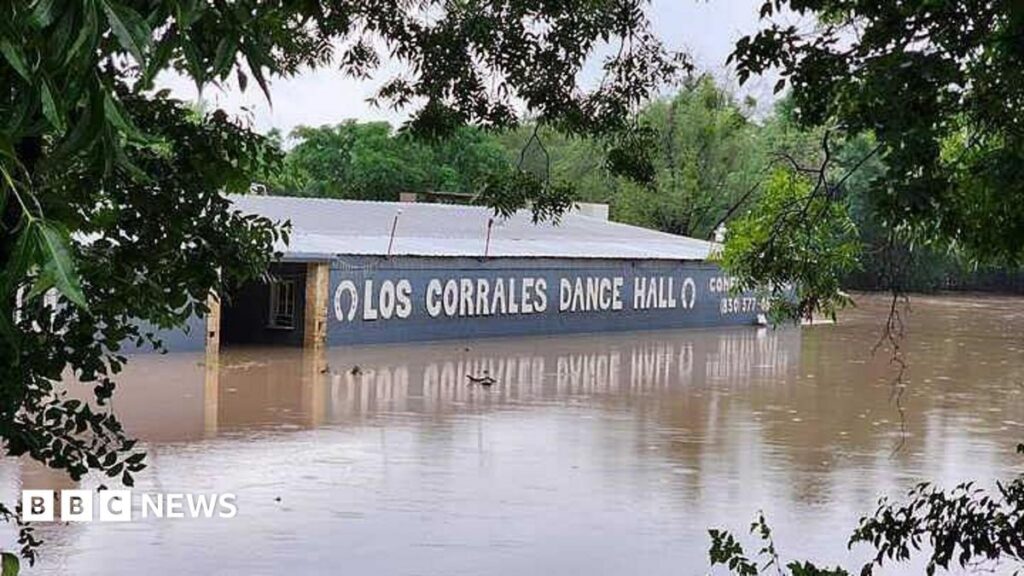
Central Texas is once again confronting severe flooding caused by torrential rains that have swollen the Guadalupe River to dangerous levels. This recent surge has already resulted in at least one fatality and numerous rescues, reigniting painful memories of last summer’s flash floods that killed more than 130 people in the same region. As emergency officials issue urgent evacuation orders, communities brace for continued rising waters and widespread disruption.
The Guadalupe River, which flows through central Texas, has become the focal point of a severe flooding event following days of relentless rain. The National Weather Service (NWS) in San Antonio has described the situation as "large and deadly," warning residents to move to higher ground immediately. This flooding is particularly alarming because it affects the exact area devastated by flash floods last July, which resulted in over 130 deaths.
Last year’s tragedy was one of the deadliest in Texas history, with the Guadalupe River rising dramatically and unexpectedly. The floods claimed the lives of 25 children and two counselors at Camp Mystic, an all-girls Christian summer camp near Kerrville, Texas. The camp, located along the river, experienced a rapid rise in water levels that swept away campers and staff in a matter of minutes.
As of mid-July 16, 2026, Texas Governor Greg Abbott confirmed at least one death related to the flooding, emphasizing that the individual was not a camper from the region. Approximately 80 rescues have been conducted so far, with emergency teams working tirelessly to save lives amid the rapidly rising waters.
The Guadalupe River has surged dramatically, rising 32 feet within just four hours, according to reports from the Texas Tribune. This rapid increase has affected multiple counties in South Texas, including Uvalde, Kerr, and Kendall. The NWS has issued continuous updates, stressing the urgency of the situation and repeatedly urging residents to evacuate immediately.
Visuals from the affected areas depict a grim scene: vehicles navigating through water that reaches their windows, wildlife struggling to stay afloat, and rescuers carrying children to safety. Residential neighborhoods have been inundated, with some homes experiencing several inches of floodwater inside.
Residents like Carter Lopez, a 30-year-old living in Boerne, Texas, have witnessed the flood’s destructive power firsthand. Lopez assisted neighbors trapped by rising waters, helping evacuate them to his apartment for safety. He noted that this year’s flooding is more severe than last summer’s in his area, though nearby Kerr, home to Camp Mystic, was harder hit previously.
Lopez’s experience underscores the unpredictable nature of such floods and the difficulty in preparing for them. "This is not something we could really prepare for," he said, highlighting the suddenness and intensity of the storms and subsequent flooding.
Camp Mystic, the site of last year’s tragic loss of life, has not reopened following the disaster. The camp filed for bankruptcy earlier this year, marking a somber end to its operations. The community continues to grapple with the emotional and practical aftermath of the floods.
The recurrence of flooding in this region raises concerns about climate resilience and disaster preparedness. The Guadalupe River’s rapid and extreme rises pose ongoing risks to residents, infrastructure, and natural habitats. Authorities and experts emphasize the importance of early warning systems, evacuation plans, and community awareness to mitigate future impacts.
Editor’s note: The following is AI-generated commentary and context on this topic, not original reporting.
The region often referred to as “Flash Flood Alley” combines steep terrain, thin soil over limestone bedrock, and a climate prone to intense, fast-moving storms, a combination that can turn modest rainfall into dangerous flash flooding within a matter of hours. Emergency management officials in the area have repeatedly emphasised the importance of early warning systems and public awareness, given how quickly water levels can rise along creeks and rivers that appear calm under normal conditions.
Recovery efforts after major flooding events typically involve a mix of federal disaster assistance, state resources and local volunteer organisations, with infrastructure repair often taking months or longer depending on the scale of damage. Community resilience planning in flood-prone regions has increasingly focused on improved drainage infrastructure and stricter building codes in known floodplains, though funding and implementation timelines vary widely between jurisdictions.
Insurance claims following major flooding events in the region typically take considerably longer to process than the physical clean-up itself, with many affected households facing extended displacement while assessments and repairs are completed. State and federal disaster declarations, when issued, generally unlock additional funding streams intended to support both immediate relief and longer-term infrastructure resilience projects in the areas hit hardest.
The devastating floods currently impacting central Texas serve as a stark reminder of the region’s vulnerability to extreme weather events. The rapid rise of the Guadalupe River and the resulting destruction echo the tragic events of last summer, underscoring the critical need for effective emergency response and community preparedness. As residents evacuate and rescue efforts continue, the focus remains on saving lives and mitigating damage. Looking ahead, addressing the underlying risks posed by such natural disasters will be essential to protecting communities and preventing future loss of life.
Originally reported by bbc.co.uk. Adapted for our readers with AI assistance.
Keep reading
News
Recall that Poland’s Minister Sikorski’s core claim is partially supported by the numbers, but the framing “quite quickly” and “without the U.S.” does not…
News
Thousands of young protesters in Delhi continue to demand education reforms and the resignation of Education Minister Dharmendra Pradhan after a police crackdown. The…
News
Facing a looming financial collapse, Thames Water’s main lenders have offered the UK government a ‘golden share’ and increased local authority involvement to avoid…
TAMFIS NIG LTD
Electrical and instrumentation engineering, bid preparation and consulting, IT and software.