
Business
Nigeria’s Economic Performance: Domestic Debt Rise and Agriculture Trade Shift in Q2 2026
Nigeria's economic landscape in the second quarter of 2026 presents a mixed picture of fiscal press...
TAMFIS NIG LTDRC 8067447CAC ACTIVEFinima, Bonny Island, Rivers State

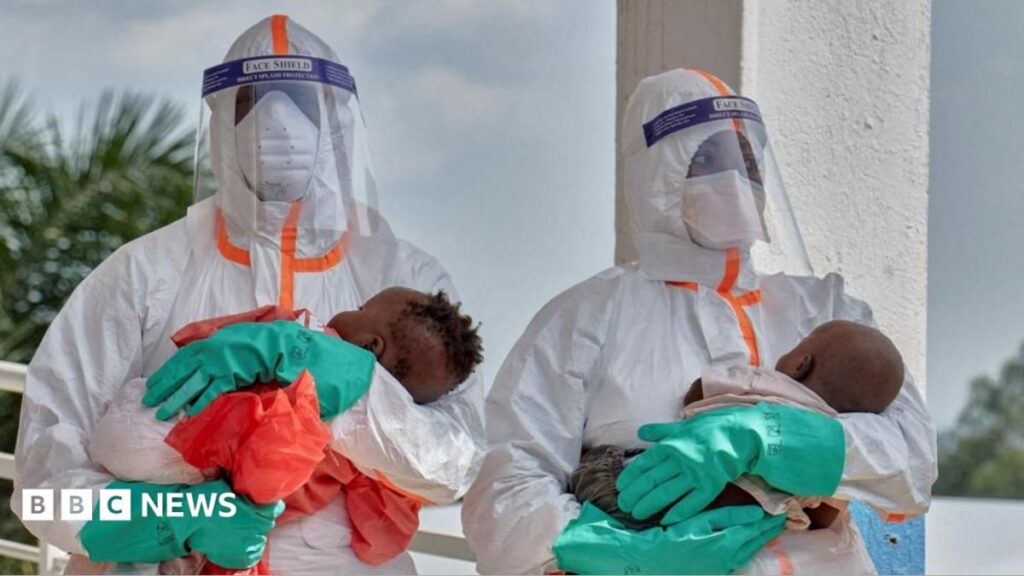
Image source, ReutersByJamie Whitehead Published43 minutes agoThe Ebola outbreak in the Democratic Republic of Congo is the biggest in the country's history, the World Health Organization (WHO) has said.As of 30 July, there were 3,605 confirmed cases including 1,587 deaths – a fatality rate of 44%. The current outbreak is caused by the Bundibugyo strain of the virus. It was declared on 15 May 2026 and surpasses the previous biggest outbreak between 2018 and 2020, which had nearly 3,500 recorded cases of whom almost 2,300 died. There is currently no…
Image source, ReutersByJamie Whitehead Published43 minutes agoThe Ebola outbreak in the Democratic Republic of Congo is the biggest in the country's history, the World Health Organization (WHO) has said.As of 30 July, there were 3,605 confirmed cases including 1,587 deaths – a fatality rate of 44%. The current outbreak is caused by the Bundibugyo strain of the virus. It was declared on 15 May 2026 and surpasses the previous biggest outbreak between 2018 and 2020, which had nearly 3,500 recorded cases of whom almost 2,300 died. There is currently no approved vaccine or treatment for the Bundibugyo strain, but vaccines are being developed in the UK and Singapore. Ebola, which spreads through contact with bodily fluids, has killed 15,000 people across Africa over the last 50 years. The WHO said in a statement posted on X , externalthat the outbreak was "intensifying, with sustained transmission and continued increases in reported cases and deaths". It added that during the past week, the outbreak reached its highest weekly total with 567 cases and 296 deaths. It warned these figures underscored "the exceptional pace of transmission". "Factors like insecurity, population displacement, and cross-border movement continue to hamper response efforts and increase the risk of further spread," it said.The centre of the outbreak is the Ituri province in the northeast of the country, which…
Editor’s note: The following is AI-generated commentary and context on this topic, not original reporting.
“Current Ebola outbreak worst ever in DR Congo, WHO says” is the kind of headline that, on its own, only tells part of a larger story. Understanding the background helps explain why it matters and what may follow.
As reported: “Image source, ReutersByJamie Whitehead Published43 minutes agoThe Ebola outbreak in the Democratic Republic of Congo is the biggest in the country’s history, the World Health Organization (WHO) has said.As of 30 July,…”
Extreme weather and its effects on public health, including heat-related illness, have become an increasingly prominent focus for health authorities. Understanding the wider context can help readers form a more complete picture of what is being described. Funding and logistical support for health interventions, including vaccination and food assistance programmes, often depend on coordination between multiple agencies and donor governments.
Institutions involved in stories of this kind typically respond through established communication channels rather than informal statements. Context and background are often as important as the immediate headline in understanding why a story has resonated with the public. Medical and personal health decisions are highly individual, and the considerations behind them often reflect personal circumstances that go beyond what can be captured in a short news report.
Findings are often subject to peer review or institutional verification before being widely publicised or acted upon. Understanding the wider context can help readers form a more complete picture of what is being described. International health bodies play a coordinating role in outbreaks and health emergencies, working alongside national governments to track cases and share resources.
Outbreak response typically involves a combination of case tracking, treatment capacity, and public communication to limit further spread. Authorities typically issue guidance aimed at protecting vulnerable groups, including the elderly and those with existing health conditions, during periods of unusual temperature. Funding and logistical support for health interventions, including vaccination and food assistance programmes, often depend on coordination between multiple agencies and donor governments.
Findings are often subject to peer review or institutional verification before being widely publicised or acted upon. Extreme weather and its effects on public health, including heat-related illness, have become an increasingly prominent focus for health authorities. Extreme weather and its effects on public health, including heat-related illness, have become an increasingly prominent focus for health authorities.
Authorities typically issue guidance aimed at protecting vulnerable groups, including the elderly and those with existing health conditions, during periods of unusual temperature. Outbreak response typically involves a combination of case tracking, treatment capacity, and public communication to limit further spread. Ongoing coverage from established outlets remains valuable as a story like this develops further.
Outbreak response typically involves a combination of case tracking, treatment capacity, and public communication to limit further spread. Health systems in lower-resource settings often face particular strain during outbreaks, which is why international support and coordination matters considerably. Public health developments of this kind are typically assessed by health authorities using established surveillance and reporting systems.
Support for global health programmes can shift due to political or economic factors well outside the immediate health response itself. International health bodies play a coordinating role in outbreaks and health emergencies, working alongside national governments to track cases and share resources. As more information becomes available, the picture described in initial reports often becomes more nuanced.
Authorities typically issue guidance aimed at protecting vulnerable groups, including the elderly and those with existing health conditions, during periods of unusual temperature. Findings are often subject to peer review or institutional verification before being widely publicised or acted upon. Extreme weather and its effects on public health, including heat-related illness, have become an increasingly prominent focus for health authorities.
Public interest in stories such as this one reflects broader questions about accountability, safety, or public interest that extend beyond the specific facts of any single event. Medical and personal health decisions are highly individual, and the considerations behind them often reflect personal circumstances that go beyond what can be captured in a short news report. Institutions involved in stories of this kind typically respond through established communication channels rather than informal statements.
Stories of this kind often sit within broader trends that are not always immediately visible from a single report. Funding and logistical support for health interventions, including vaccination and food assistance programmes, often depend on coordination between multiple agencies and donor governments. Findings are often subject to peer review or institutional verification before being widely publicised or acted upon.
Support for global health programmes can shift due to political or economic factors well outside the immediate health response itself. Health systems in lower-resource settings often face particular strain during outbreaks, which is why international support and coordination matters considerably. Medical and personal health decisions are highly individual, and the considerations behind them often reflect personal circumstances that go beyond what can be captured in a short news report.
As with many fast-moving stories, the fuller picture will likely take time to emerge. Readers are encouraged to follow official statements and established news outlets for verified updates as this situation develops.
Originally reported by bbc.co.uk. Adapted for our readers with AI assistance.
Keep reading
Business
Nigeria's economic landscape in the second quarter of 2026 presents a mixed picture of fiscal press...
Business
Liverpool manager Andoni Iraola is confronting a significant selection headache as two key forwards, Cod...
News
Health News tamfitronics [Editor’snote:[Editor’snote: This transcript was generated using both transcription ...
TAMFIS NIG LTD
Electrical and instrumentation engineering, bid preparation and consulting, IT and software.