
News
RUSSIA versus NATO and BRICS vs. NATO Military SWOT
Recall that Poland’s Minister Sikorski’s core claim is partially supported by the numbers, but the framing “quite quickly” and “without the U.S.” does not…
TAMFIS NIG LTDRC 8067447CAC ACTIVEFinima, Bonny Island, Rivers State

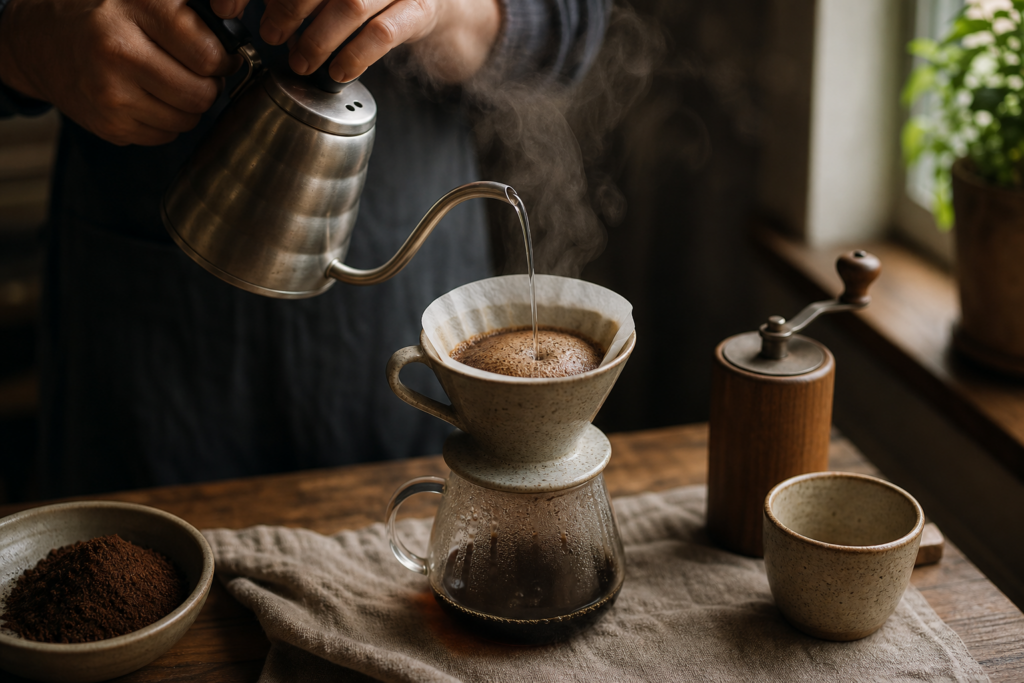
Coffee is more than just a beverage; it is a daily ritual that connects millions worldwide to moments of calm, creativity, and comfort. However, the rise of instant coffee machines and grab-and-go culture has diminished the art of brewing coffee by hand. Bringing back the coffee-brewing ritual invites us to slow down, appreciate the sensory experience, and forge a deeper connection with the craft and community surrounding coffee. This comprehensive guide delves into the history, benefits, techniques, and cultural significance of the coffee-brewing ritual, encouraging readers to revive and cherish this timeless practice.
Coffee’s journey from its discovery in Ethiopia to becoming a global staple is steeped in rich cultural traditions. Historically, coffee preparation was a deliberate and communal activity, often involving specific tools and ceremonial practices. In Middle Eastern cultures, for example, the coffee ceremony remains a symbol of hospitality and social bonding, emphasizing patience and respect.
European coffee houses in the 17th and 18th centuries became hubs of intellectual exchange, where brewing methods like the French press and espresso machines evolved. These methods highlighted the importance of technique and quality in preparing coffee, turning it into an experience rather than a mere caffeine fix.
Understanding these historical contexts helps modern coffee lovers appreciate the depth and significance of brewing rituals. It reveals how coffee preparation has always been intertwined with culture, community, and mindfulness, values that are increasingly sought after in today’s fast-paced world.
In an age dominated by instant gratification and automated processes, the coffee-brewing ritual offers a moment of intentionality. Taking time to grind beans, measure water, and control brewing parameters can transform an ordinary routine into a mindful practice that enhances mental clarity and reduces stress.
The ritual also fosters a deeper appreciation for the quality and origin of coffee beans. By engaging with the brewing process, individuals become more aware of flavor profiles, roast levels, and the craftsmanship behind specialty coffee. This knowledge encourages more sustainable and ethical coffee consumption choices.
Moreover, the brewing ritual can strengthen social connections. Sharing the experience of making coffee with family or friends creates opportunities for conversation and bonding, reinforcing coffee’s role as a catalyst for community.
To fully immerse oneself in the coffee-brewing ritual, investing in quality tools is essential. A burr grinder, for instance, ensures a consistent grind size, which is critical for extracting optimal flavors. Manual grinders add an element of hands-on engagement, enhancing the tactile experience.
Brewing devices like the pour-over dripper, French press, or AeroPress allow for precise control over brewing variables such as water temperature and extraction time. Each method offers unique flavor characteristics and varying levels of involvement, catering to different preferences and skill levels.
Beyond the basics, accessories such as a gooseneck kettle for controlled pouring, a digital scale for accuracy, and a timer to monitor brewing duration elevate the ritual. These tools encourage experimentation and mastery, making the process both enjoyable and rewarding.
Begin by selecting freshly roasted, high-quality coffee beans sourced from reputable roasters. Freshness significantly impacts flavor, so grinding beans just before brewing is crucial. Measure the beans carefully to maintain consistency and balance in your cup.
Heat water to the ideal temperature, typically between 195°F and 205°F, to optimize extraction. Use a gooseneck kettle for precise pouring, which allows for even saturation of the coffee grounds, enhancing flavor clarity and complexity.
During brewing, focus on the sensory experience: the aroma of the grounds, the sound of water pouring, and the visual bloom as coffee releases carbon dioxide. Embrace this moment as a form of meditation, engaging fully with each step to cultivate presence and appreciation.
The pour-over method is celebrated for its clarity and control, requiring deliberate pouring techniques and patience. This method invites brewers to connect intimately with the coffee’s nuances, offering a clean and vibrant cup that reflects the beans’ origin.
The French press emphasizes immersion brewing, where coffee grounds steep in hot water before being separated by a plunger. This technique produces a rich, full-bodied cup and encourages a slower, more relaxed ritual that suits leisurely mornings or social gatherings.
Espresso brewing, often associated with Italian coffee culture, is a fast yet precise ritual demanding attention to grind size, tamping pressure, and extraction time. The resulting concentrated shot serves as the base for many coffee beverages and highlights the artistry involved in crafting each cup.
Engaging in the coffee-brewing ritual can provide psychological benefits akin to mindfulness practices. The focus required to execute each step carefully helps reduce anxiety and promotes mental well-being by encouraging presence and intentionality.
The tactile and sensory elements of brewing stimulate the senses, creating a multi-dimensional experience that can elevate mood and foster creativity. This ritual offers a break from digital distractions, allowing for a moment of calm and reflection.
Socially, sharing the ritual can strengthen relationships. Inviting others to participate or enjoy the coffee together cultivates a sense of community and belonging. This shared experience can enhance communication and deepen connections in both personal and professional settings.
Despite busy schedules, incorporating a coffee-brewing ritual into daily life is achievable with mindful adjustments. Setting aside dedicated time in the morning or during breaks can transform coffee preparation into a cherished pause, enhancing overall productivity and well-being.
Technology can complement rather than replace the ritual. Using apps to track brewing parameters or sourcing beans through online specialty roasters can enrich the experience and provide access to diverse coffee varieties without sacrificing authenticity.
Community events like coffee workshops or local café tastings offer opportunities to learn, share, and celebrate the ritual collectively. Embracing these experiences can deepen one’s appreciation and inspire continued engagement with the art of coffee brewing.
Reviving the coffee-brewing ritual naturally aligns with sustainable practices by encouraging thoughtful consumption. Selecting ethically sourced, organic, and fair-trade coffee supports farmers and promotes environmental stewardship.
Using reusable tools and minimizing waste, such as avoiding single-use pods or disposable filters, reduces the ecological footprint of coffee preparation. Composting coffee grounds further contributes to sustainability and closes the loop in the brewing cycle.
Educating oneself about the origins and impacts of coffee production fosters a more conscious relationship with the beverage. This awareness enhances the ritual’s meaningfulness, transforming it into an act of care for both people and the planet.
Bringing back the coffee-brewing ritual is more than a nostalgic nod to the past; it is a meaningful way to reconnect with ourselves, others, and the world around us. Through intentional preparation, appreciation of quality, and mindful engagement, coffee becomes a gateway to moments of calm, creativity, and connection. As we embrace this timeless practice, we not only honor rich traditions but also cultivate a more thoughtful and sustainable coffee culture for the future.
Keep reading
News
Recall that Poland’s Minister Sikorski’s core claim is partially supported by the numbers, but the framing “quite quickly” and “without the U.S.” does not…
News
Thousands of young protesters in Delhi continue to demand education reforms and the resignation of Education Minister Dharmendra Pradhan after a police crackdown. The…
News
Facing a looming financial collapse, Thames Water’s main lenders have offered the UK government a ‘golden share’ and increased local authority involvement to avoid…
TAMFIS NIG LTD
Electrical and instrumentation engineering, bid preparation and consulting, IT and software.