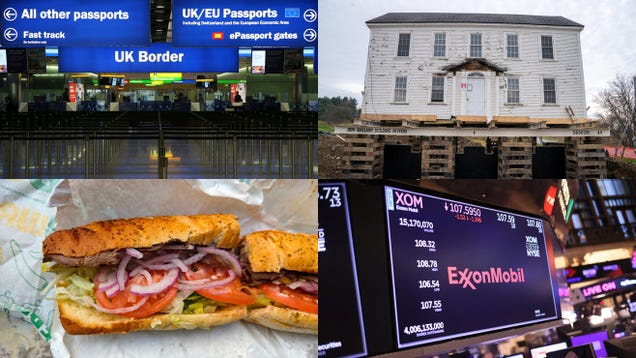
As we close the month of January 2024, the Weekend Exchange Data Roundup provides an in-depth look at the latest market trends, economic shifts, and sector-specific updates that have influenced global financial landscapes. This edition sheds light on pressing issues such as rising housing costs, fintech workforce adjustments, aviation safety concerns, and environmental efforts within the energy sector. By dissecting these developments, investors, analysts, and industry watchers can better understand the forces shaping today’s markets and anticipate potential future movements.
Housing Market Pressures on Younger Americans
The housing market continues to pose significant challenges for younger Americans in early 2024. Elevated home prices combined with high interest rates have created considerable barriers to entry for first-time buyers. Inflationary pressures, coupled with rising childcare costs and job market uncertainties, have further diminished the financial capacity of this demographic to save for necessary down payments.
Research indicates that the current economic environment is suppressing homeownership aspirations among millennials and Gen Z. Many potential buyers are facing the dual burden of increased monthly mortgage costs and stagnant wage growth, forcing them to delay or reconsider purchasing decisions. This trend raises concerns about long-term wealth accumulation and economic mobility for younger generations.
Looking ahead, experts warn that without targeted policy interventions or significant market corrections, the housing affordability crisis may persist. Stakeholders emphasize the need for innovative financing options, increased affordable housing supply, and supportive measures to alleviate the financial strain on prospective homeowners.
Subway’s Automated Deli Slicers: Quality vs. Operational Challenges
In a bid to enhance sandwich quality, Subway implemented automated deli slicers across its more than 20,000 locations in 2023, replacing pre-sliced meats with freshly sliced options. While the initiative was designed to elevate product freshness and customer satisfaction, recent reports suggest mixed outcomes on the operational front.
Franchise owners have expressed concerns that the new slicers, despite improving product consistency, have introduced inefficiencies and maintenance challenges. Some locations report increased downtime and training needs, which have inadvertently impacted service speed and overall franchise profitability.
This case highlights the complexities of integrating new technologies in large-scale food service operations. Balancing quality improvements with operational feasibility remains a critical consideration for Subway and similar chains as they navigate evolving consumer expectations and competitive pressures.
Environmental Activism and ExxonMobil’s Legal Response
Environmental concerns remain at the forefront as activist investor groups have urged ExxonMobil to take stronger action in curbing fossil fuel consumption to combat global warming. The calls emphasize the company’s pivotal role in addressing climate change given its status as one of the world’s largest privately owned oil producers.
ExxonMobil’s response has been notably defensive, opting to sue the activist groups in U.S. federal court. This legal move underscores the tension between environmental advocacy and corporate interests within the energy sector, reflecting broader debates on how fossil fuel companies should adapt to sustainability demands.
This standoff illustrates the complexities faced by major energy corporations as they balance shareholder expectations, regulatory pressures, and public scrutiny. The outcome of this dispute could set important precedents for future environmental governance and corporate accountability.
FAA Scrutiny of Boeing 737-900ER and Aviation Safety
The Federal Aviation Administration (FAA) recently issued an advisory urging airlines to inspect their Boeing 737-900ER aircraft for potential issues related to a component known as the door hinge. This announcement follows earlier scrutiny of the Boeing 737 MAX 9 model after a share failure incident on an Alaska Airlines flight.
Alaska Airlines, which operates a significant number of 737-900ERs, is particularly impacted by this directive. The FAA’s proactive approach aims to prevent further incidents and maintain passenger safety amid heightened regulatory vigilance surrounding Boeing’s aircraft line.
These developments underscore ongoing challenges in the aviation industry related to aircraft maintenance and safety oversight. Airlines and manufacturers are under increasing pressure to ensure rigorous quality controls to sustain public confidence and comply with evolving safety standards.
Brex, a prominent U.S.-based fintech startup valued above $10 billion, recently announced layoffs affecting over 200 employees, signaling a strategic restructuring amid changing market conditions. This move reflects broader industry trends where even well-capitalized startups are adjusting their workforce to optimize operations.
The layoffs highlight the volatility and competitive pressures within the fintech sector, where rapid growth phases often meet with recalibration periods. Brex’s decision underscores the need for startups to balance innovation and scalability with sustainable business models.
Such workforce shifts have ripple effects on the tech job market and investor sentiment, emphasizing the importance of adaptability for emerging companies as they navigate economic uncertainties and evolving customer demands.
Psychological Healthcare Jobs Lead U.S. Employment Growth
According to recent data from employment platforms like Indeed, psychological healthcare roles are among the fastest-growing job categories in the United States for 2024. Positions such as mental health technicians, therapists, and psychiatrists are in particularly high demand.
This surge reflects increasing societal recognition of mental health issues and the prioritization of accessible care. The pandemic’s long-term psychological impacts and growing awareness have contributed to expanded investment in mental health services across public and private sectors.
The trend presents opportunities for job seekers and educational institutions to align training programs with market needs. It also signals a shift in healthcare priorities that may influence policy and funding decisions in the years to come.
The ‘Horny Seven’: Tech Stocks to Watch Amid Market Uncertainty
At the start of 2024, the Wall Street Journal highlighted the so-called “Horny Seven,” a group of tech stocks that investors are closely monitoring for their potential to deliver strong earnings despite economic uncertainties. These companies represent a mix of innovation leaders and market disruptors.
Investor interest in these stocks is driven by their resilience and growth prospects, even as broader market volatility persists. Analysts emphasize the importance of these companies’ earnings reports and strategic initiatives as indicators of sector health.
Tracking the performance of the ‘Horny Seven’ offers valuable insights into technology trends and investor sentiment, making them key benchmarks for portfolio managers and market watchers navigating a complex investment landscape.
United Airlines’ Cautious Capacity Growth Outlook
United Airlines has projected a slower pace of capacity growth for 2024, reflecting a cautious approach amid fluctuating travel demand and economic headwinds. The airline aims to balance operational efficiency with market opportunities to maintain profitability.
This strategic moderation aligns with broader industry patterns as carriers adjust to evolving consumer behaviors, fuel price volatility, and regulatory environments. United’s outlook highlights the challenges of forecasting in a dynamic post-pandemic travel market.
Investors and analysts will be watching how United navigates these factors while managing costs and enhancing customer experience, which will be critical to sustaining competitive advantage in a recovering aviation sector.
Conclusion
The Weekend Exchange Data Roundup for January 27, 2024, presents a multifaceted snapshot of current economic and market dynamics. From the persistent challenges in the housing market and fintech sector restructurings to regulatory developments in aviation and environmental disputes, these insights underscore the complexity of today’s global financial environment. Understanding these trends equips investors, businesses, and policymakers with the knowledge necessary to navigate uncertainties and capitalize on emerging opportunities. As we move further into 2024, staying informed about such developments will be crucial for strategic decision-making across industries.
Originally reported by qz.com. Adapted for our readers.
Discover how emotionally intelligent couples use a simple 'capacity check' question every morning to strengthen their relationships, reduce conflicts, and navigate daily challenges with…