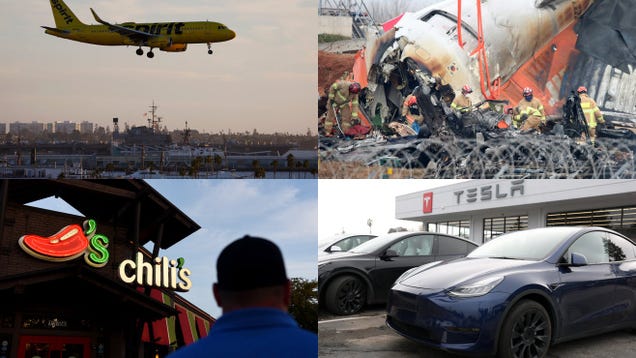
Spirit Airlines’ worth, Tesla’s miss, and drug hikes: Business news roundup
In the fast-evolving landscape of 2024’s business world, several pivotal stories have captured the attention of investors, consumers, and industry watchers alike. From the financial intricacies of Spirit Airlines’ bankruptcy and valuation issues to Tesla’s unexpected delivery shortfall, and the ongoing trend of pharmaceutical companies hiking drug prices, these developments reveal much about the current economic climate. This comprehensive roundup delves into these stories, providing a detailed analysis of their implications for the market, consumers, and future business strategies.
Spirit Airlines’ Bankruptcy and Equity Valuation Challenges
Spirit Airlines, a prominent ultra-low-cost carrier, has been navigating the turbulent waters of bankruptcy since its filing in November 2023. Recent disclosures filed with the Securities and Exchange Commission shed light on the airline’s financial restructuring efforts. Notably, these filings reveal that Spirit’s equity value is now reportedly less than the total compensation paid to its executives throughout 2023, raising questions about governance and financial stewardship during bankruptcy proceedings.
The airline’s reorganization plan aims to stabilize operations while addressing outstanding debts and obligations. However, the disparity between executive pay and company valuation has sparked debate among investors and industry analysts regarding the adequacy of oversight and the prioritization of stakeholder interests. This situation underscores the complexities airlines face when balancing operational continuity with financial recovery.
Despite these challenges, Spirit Airlines continues to operate flights and serve its customer base, focusing on cost efficiencies and potential strategic partnerships. The airline industry’s broader recovery post-pandemic provides some optimism, but Spirit’s financial struggles remain a cautionary tale about managing liquidity and corporate governance amid restructuring.
Tesla’s 2024 Delivery Shortfall and Market Impact
Tesla, the electric vehicle giant headquartered in Austin, Texas, has recently reported delivery figures that fell short of Wall Street expectations for the fourth quarter of 2024. The company delivered approximately 495,570 vehicles between October and December, representing a 2% increase from the previous quarter but missing the anticipated 507,000 units. This shortfall has raised concerns about Tesla’s production capabilities and growth trajectory.
Analysts attribute the miss to several factors, including supply chain constraints, production bottlenecks, and heightened competition in the EV market. Tesla’s ambitious targets have historically driven investor enthusiasm, but this recent data signals potential headwinds that could temper near-term growth expectations. The company’s stock experienced volatility as investors digested the implications of the delivery figures.
Despite the miss, Tesla remains a dominant player in the EV sector, continuing to innovate with new models and technologies. The company’s ability to navigate supply challenges and ramp up production will be critical in maintaining its market leadership and meeting long-term sustainability goals.
Pharmaceutical Drug Price Increases and Consumer Impact
Pharmaceutical companies have announced price hikes on more than 250 brand-name drugs in 2024, continuing a trend that has significant implications for consumers and healthcare systems. Most price increases are under 10%, with the median rise around 4.5%, mirroring patterns observed in the previous year. These adjustments reflect ongoing pressures in drug pricing dynamics amid regulatory scrutiny and market competition.
The impact of these hikes is multifaceted. For patients reliant on brand-name medications, even modest increases can translate to higher out-of-pocket costs, especially for those without comprehensive insurance coverage. Healthcare providers and insurers are also grappling with these changes, seeking strategies to manage costs while ensuring access to essential medicines.
Industry experts cite factors such as inflation, research and development expenses, and supply chain complexities as drivers behind the price adjustments. Policymakers continue to debate measures to enhance pricing transparency and affordability, highlighting the delicate balance between incentivizing innovation and protecting public health interests.
Airline Industry Revenue Outlook and Competitive Landscape
The global airline industry is poised for a record-breaking revenue year in 2025, with projections exceeding $1 trillion. This milestone underscores the sector’s resilience and robust demand for air travel despite economic uncertainties and geopolitical tensions. However, revenue growth is unevenly distributed, with leading carriers capturing larger market shares through strategic investments and service innovations.
Competition remains fierce as airlines vie for passenger loyalty and operational efficiencies. Low-cost carriers like Spirit Airlines and regional operators are expanding their reach, while legacy airlines focus on premium services and international routes. Technological advancements, including fuel-efficient aircraft and digital customer experiences, are reshaping competitive dynamics.
Regulatory changes and environmental concerns also influence strategic decisions across the airline industry. Airlines are increasingly investing in sustainability initiatives to meet carbon reduction targets, which may affect operational costs and pricing strategies in the coming years.
Casual Dining Sector’s Transformation Amid Inflation and Consumer Shifts
The casual dining industry in 2024 is undergoing significant transformation driven by inflationary pressures, evolving consumer preferences, and intensifying competition from fast-food chains and grocery stores. Restaurants are adapting by revising menus, optimizing supply chains, and enhancing digital ordering platforms to maintain profitability and customer engagement.
Inflation has led to higher food and labor costs, compelling many casual dining establishments to increase menu prices or reduce portion sizes. At the same time, consumers are increasingly seeking convenience, value, and healthier options. This shift has prompted restaurants to innovate with diversified offerings and loyalty programs to retain market share.
The competitive landscape is further complicated by grocery retailers expanding ready-to-eat meal options and fast-food giants leveraging technology for efficient service. Casual dining operators must balance cost management with quality and experience to navigate these challenges successfully.
Diversity, Equity, and Inclusion Initiatives in Corporate America
While many major U.S. companies have scaled back or eliminated diversity, equity, and inclusion (DEI) programs in 2024, Costco’s Board of Trustees remains committed to sustaining these initiatives. This decision highlights a growing divide in corporate approaches to DEI amid changing political and economic climates.
Costco’s continued investment in DEI reflects an understanding of its value in fostering inclusive workplace cultures, enhancing employee engagement, and driving better business outcomes. The company’s stance may influence peers contemplating similar strategies, underscoring the importance of long-term commitment over short-term cost considerations.
The broader debate around DEI programs involves balancing shareholder interests with social responsibility. As the corporate landscape evolves, companies will need to navigate these complex dynamics carefully to maintain reputations and attract diverse talent.
FAA Leadership Transition and Airline Industry Implications
The Federal Aviation Administration (FAA) is undergoing a leadership transition following the announcement that Administrator Mike Whitaker will step down with the incoming presidential administration. This change has sparked speculation about potential successors and their impact on aviation policy and regulation.
Industry insiders are closely watching names like JSX CEO Alex Wilcox as possible candidates. Leadership choices at the FAA can significantly influence regulatory approaches, safety standards, and innovation adoption within the airline sector. The new administration’s priorities will shape the trajectory of aviation oversight and industry support.
Stakeholders anticipate that the FAA’s direction under new leadership will address challenges such as air traffic modernization, environmental sustainability, and post-pandemic recovery. The appointment process will be a key focal point for airlines, regulators, and policymakers alike.
Conclusion
The business landscape in 2024 is marked by significant developments across multiple sectors, from Spirit Airlines’ financial restructuring and Tesla’s delivery challenges to ongoing drug price increases affecting consumers. These stories reflect broader economic trends, including the balancing act between growth and governance, the impact of inflation, and the evolving priorities of corporations and regulators. As industries adapt to these dynamics, stakeholders must remain vigilant and strategic to navigate the complexities ahead. Understanding these key developments provides valuable insight into the forces shaping the economic environment and informs better decision-making for investors, businesses, and consumers alike.
Originally reported by qz.com. Adapted for our readers.
Governor Babagana Zulum's administration transformed Borno's devastated health infrastructure into a regional centre of excellence, committing over 15 percent of the state budget to…