PM Shehbaz hints at reducing direct taxes in upcoming budget to support businesses
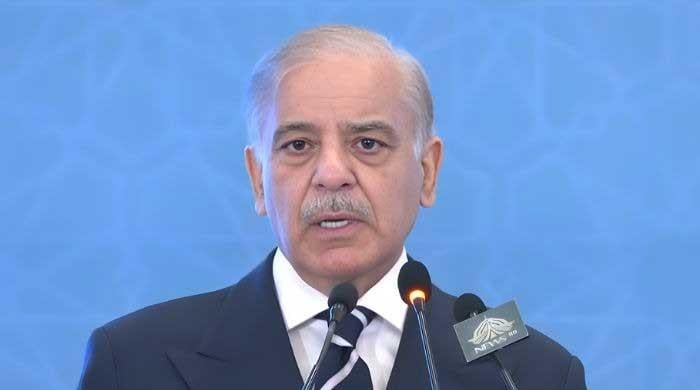
In a significant development for Pakistan’s economic landscape, Prime Minister Shehbaz Sharif has underscored the necessity of reducing direct taxes in the upcoming federal budget. Speaking at the Pakistan Governance Forum 2026 in Islamabad, the premier highlighted the critical balance between taxation and sustainable growth. Acknowledging the limitations of increasing tax burdens, Shehbaz Sharif emphasized that fostering production, exports, and foreign direct investment (FDI) are pivotal to the country’s economic revival. This article delves into the prime minister’s vision, the implications for businesses, and the broader economic context shaping this policy direction.
The Context Behind the Taxation Shift
Pakistan’s economy has faced multiple challenges over recent years, including high inflation, a looming debt crisis, and fiscal deficits that threatened macroeconomic stability. In June 2023, the country was on the brink of default, a scenario averted through collective governmental efforts and strategic economic interventions. Despite these hurdles, the government managed to stabilize key indicators, notably reducing inflation from 35% to under 7% and bringing the policy interest rate down to 10.5%.
Within this backdrop, the prime minister’s call to reduce direct taxes signals a pragmatic recognition that overburdening taxpayers, especially businesses, can stifle growth. Direct taxes, which include income tax and corporate tax, directly impact entrepreneurs and investors. By lowering these taxes, the government aims to create a more conducive environment for economic activity, encouraging reinvestment and expansion.
This approach reflects a broader shift from relying heavily on tax collection to boost revenues, towards facilitating economic growth as the primary driver of fiscal stability. The prime minister’s remarks also highlight concerns about the sustainability of current taxation policies and the need for a balanced, growth-oriented budget.
Prime Minister Shehbaz’s Vision for the Upcoming Budget
Addressing the inaugural session of the Pakistan Governance Forum 2026, PM Shehbaz Sharif outlined a clear agenda focused on tax reform. He emphasized that the forthcoming federal budget would prioritize reductions in direct taxes across the board. This policy is intended to provide relief to the business community and restore investor confidence by ensuring that capital is not eroded through excessive taxation.
The prime minister stressed that sustainable economic growth hinges on production, exports, and investment. By lowering direct taxes, the government aims to incentivize these activities, enabling businesses to thrive and contribute to the country’s GDP. This strategy also aligns with efforts to attract foreign direct investment, which is crucial for technology transfer, job creation, and enhancing Pakistan’s global economic integration.
Moreover, Shehbaz Sharif underscored the importance of balancing tax cuts with expanding the tax net. Currently, Pakistan’s tax-to-GDP ratio stands at approximately 10.5%, a figure that the government seeks to improve through better compliance and broadening the taxpayer base rather than increasing rates.
Implications for the Business Community
Reducing direct taxes is expected to have a transformative impact on Pakistan’s business ecosystem. Lower tax rates can enhance profitability, enabling companies to reinvest in capital, technology, and workforce development. This, in turn, can lead to job creation and higher productivity, feeding into a virtuous cycle of economic growth.
For small and medium enterprises (SMEs), which form the backbone of Pakistan’s economy, tax relief can alleviate financial pressures and encourage formalization. Many SMEs operate informally due to high tax burdens and compliance costs. By easing direct taxes, the government hopes to bring more businesses into the formal economy, increasing transparency and long-term sustainability.
Investor confidence is another critical area likely to benefit. Domestic and foreign investors seek predictable and fair tax regimes to make informed decisions. Assurance that their investments will not be unduly taxed can attract more capital inflows, facilitating expansion and innovation across sectors.
Balancing Direct and Indirect Taxes
While PM Shehbaz Sharif advocates for reductions in direct taxes, he also highlighted issues related to indirect taxes, such as sales tax and excise duties. The prime minister lamented that indirect taxes collected from consumers are often not fully deposited with the government, creating revenue shortfalls and undermining fiscal discipline.
The government’s strategy involves not only cutting direct taxes but also reforming the collection and management of indirect taxes to ensure efficiency and fairness. This dual approach aims to maintain overall revenue levels while easing the burden on businesses, who are directly affected by income and corporate tax rates.
Furthermore, the prime minister pointed out that indirect taxes, when not properly collected, translate into a loss for the nation and create an uneven playing field. The government’s comprehensive approach seeks to address these systemic issues while supporting economic growth through tax reforms.
Economic Reforms and Their Role in Stabilization
The prime minister highlighted several homegrown reforms that have contributed to stabilizing Pakistan’s economy, independent of external agencies like the IMF. These reforms are designed to break the boom-and-bust cycles that have historically plagued the country’s fiscal policy.
Among the key areas of reform is the energy sector, where the government has managed to reduce the price per unit of power by Rs9, protecting solar investments and curbing power theft, which costs the country approximately Rs200 billion annually. Effective reforms here are vital for lowering production costs and enhancing competitiveness.
Additionally, the closure of corrupt entities such as the Utility Stores and the Pakistan Works Department (PWD) has saved billions of rupees, reflecting the government’s commitment to transparency and fiscal responsibility. These measures complement the tax reforms by improving overall governance and public resource management.
The Role of Collective Efforts and Stakeholder Engagement
PM Shehbaz Sharif emphasized that overcoming Pakistan’s economic challenges requires collective endeavors from all stakeholders, including federal and provincial governments, the military, business leaders, and civil society. He acknowledged the teamwork that helped stabilize the economy since mid-2023 and called for continued collaboration.
Engaging the business community in policy formulation and implementation is crucial to ensure that reforms are practical and effective. The government’s approach aims to foster an environment of trust and partnership, where entrepreneurs and investors feel supported rather than burdened.
The prime minister’s vision reflects a long-term commitment to sustainable growth, recognizing that reforms may be arduous but are essential for Pakistan to secure its rightful place in the global economy. This inclusive strategy is expected to build resilience and adaptability in the face of economic uncertainties.
Future Outlook: Growth, Production, and Export Expansion
Looking ahead, PM Shehbaz Sharif underscored the immense capacity Pakistan has to increase exports gradually. Enhancing export performance is vital for improving the country’s balance of payments, generating foreign exchange, and creating employment opportunities.
The government’s focus on reducing direct taxes is aligned with this export-led growth strategy, as lower taxes can reduce production costs and improve competitiveness in international markets. Supportive policies and incentives for export-oriented industries are expected to complement these tax reforms.
Sustained investment in infrastructure, technology, and human capital development will be essential to realize these ambitions. By creating a favorable business environment, Pakistan aims to attract foreign direct investment, which can drive modernization and integration into global value chains.
Conclusion
Prime Minister Shehbaz Sharif’s indication to reduce direct taxes in the forthcoming federal budget marks a pivotal shift towards a growth-centric fiscal policy in Pakistan. By easing the tax burden on businesses and investors, the government aims to catalyze production, exports, and investment, which are critical for sustainable economic development. Coupled with ongoing reforms and improved governance, this approach promises to enhance Pakistan’s economic resilience and global competitiveness. However, success will depend on effective implementation, stakeholder collaboration, and maintaining fiscal discipline to ensure that tax reforms translate into tangible benefits for the nation’s economy and its people.
Originally reported by geo.tv. Adapted for our readers.
Nigerian investment fintech Cowrywise has processed over 1 million stock trades on the Nigerian Exchange within a year of launching its Stocks product, reflecting…
Analysis shows Nigeria’s federal education allocation lags regional peers, affecting workforce development and creating opportunities for private sector involvement in training, technology and infrastructure.
As Nigeria commemorates 66 years of independence, the organised private sector urges the government to shift from macroeconomic stabilisation to tangible productivity gains, warning…