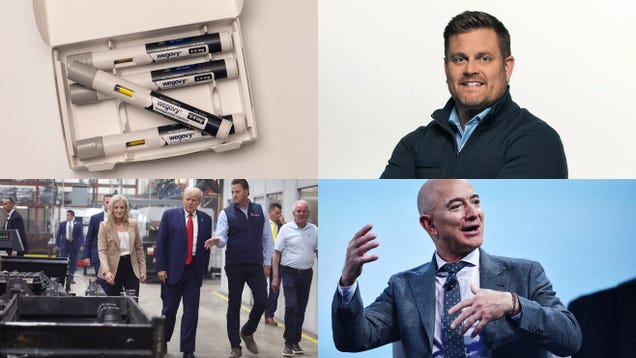
Ozempic and booze, a CEO shooting, and Trump tariffs: Business news roundup
In today’s fast-paced business environment, key developments often unfold rapidly, influencing markets and industries worldwide. This roundup delves into three compelling stories capturing significant attention: the emerging connection between popular weight-loss medications like Ozempic and reduced alcohol intake, the shocking fatal shooting of UnitedHealthcare’s CEO Brian Thompson, and the continuing saga of tariffs initiated under former President Donald Trump’s administration. Each story carries distinct implications for sectors ranging from healthcare and insurance to international trade and manufacturing. The following sections unpack these events in detail, offering insights into their broader business impacts.
Ozempic and Alcohol Consumption: New Research Insights
Recent studies have unveiled a fascinating correlation between GLP-1 receptor agonists, such as Ozempic and Wegovy, and reduced alcohol consumption among patients. These medications, primarily prescribed for weight management and type 2 diabetes, appear to influence the brain’s reward pathways, potentially dampening the desire for alcohol. A study published in JAMA Network Open highlights that some patients reported cutting back on drinking while using these drugs, suggesting an ancillary benefit beyond weight loss.
The underlying mechanism is believed to be related to GLP-1’s role in appetite regulation and reward processing. By modulating these neural circuits, GLP-1 agonists may decrease cravings not only for food but also for substances like alcohol. This emerging evidence is prompting researchers and healthcare providers to consider the wider therapeutic potential of these medications, including implications for treating alcohol use disorder.
Pharmaceutical companies manufacturing these drugs are closely monitoring these developments, as they could influence future marketing strategies and regulatory approvals. Meanwhile, healthcare professionals emphasize that patients should not alter their alcohol consumption habits without consulting medical advice, as interactions between alcohol and GLP-1 medications require careful management.
Tragic Shooting of UnitedHealthcare CEO Brian Thompson
The business world was shaken by the tragic news of UnitedHealthcare CEO Brian Thompson’s fatal shooting in New York City. According to reports from the New York Police Department, Thompson was attacked as he exited the Hilton Hotel in Manhattan early Wednesday morning. Despite being rushed to the hospital, the 50-year-old executive was pronounced dead, leaving a profound impact on the healthcare and insurance sectors.
Thompson’s leadership at UnitedHealthcare, one of the largest health insurers in the United States, was marked by strategic initiatives aimed at expanding access to healthcare and improving service delivery. His untimely death raises questions about corporate security and the personal safety of high-profile executives in metropolitan areas. The incident has also sparked industry-wide reflections on crisis management and succession planning.
UnitedHealthcare has issued statements expressing condolences and commitment to continuing Thompson’s vision. The company faces the challenge of maintaining stability amid grief while navigating ongoing scrutiny over its claims denial rates and operational performance. This event underscores the volatility executives can face and the ripple effects such tragedies have on business continuity.
Trump Tariffs and Their Continuing Impact on U.S. Trade
More than a year after former President Donald Trump left office, the tariffs he imposed continue to influence global trade dynamics. His administration’s policies, especially the threatened 25% tariffs on imports from Mexico and Canada and 10% duties on Chinese products, were aimed at protecting U.S. industries and addressing trade imbalances. While some tariffs have been adjusted, the trade tensions remain a significant factor for manufacturers and exporters.
Trump’s tariffs were also tied to broader political demands, including efforts to curb undocumented immigration and control the flow of illicit drugs like fentanyl. These conditions have complicated negotiations with trade partners and introduced uncertainty for businesses reliant on cross-border supply chains. Auto manufacturers, in particular, have expressed concern over potential cost increases and disrupted production schedules.
As the U.S. administration navigates the legacy of these tariffs, companies are adapting by diversifying sourcing strategies, reassessing supply chain resilience, and lobbying for more favorable trade terms. The situation exemplifies how political decisions can have prolonged economic consequences, influencing investment decisions and market competitiveness.
Healthcare Industry Scrutiny: UnitedHealthcare’s Claims Denial Rates
UnitedHealthcare has faced increasing scrutiny regarding its high claims denial rates, an issue that affects millions of insured Americans. While insurers often keep detailed denial data confidential, investigations and whistleblower reports suggest that denial practices may be more widespread than publicly acknowledged. This raises concerns about patient access to care and the transparency of insurance operations.
These denials can result in delayed treatments, increased out-of-pocket expenses, and administrative burdens for healthcare providers. Critics argue that insurers may use denials as a cost-containment strategy, which can undermine trust in the healthcare system. Regulatory bodies and consumer advocacy groups are calling for greater oversight and clearer guidelines to protect policyholders.
UnitedHealthcare’s response has involved efforts to improve claims processing accuracy and enhance communication with beneficiaries. However, the company must balance financial performance with ethical responsibilities, navigating a complex landscape where policyholders demand fairness and reliability in coverage.
Tesla CEO Elon Musk’s Government Spending Proposals
Tesla CEO Elon Musk recently made headlines for advocating significant reductions in U.S. government spending. His proposals, which include cutting trillions of dollars from federal budgets, have attracted attention from both political parties. While some Democrats have shown tentative support, the scale and specifics of Musk’s suggestions remain a topic of intense debate among policymakers and economists.
Musk’s position reflects a broader trend among tech leaders pushing for leaner government and increased efficiency. He argues that reducing government expenditures could foster innovation and economic growth by reallocating resources more effectively. Critics, however, caution that drastic cuts might jeopardize vital public services and social safety nets, especially during times of economic uncertainty.
The discourse around Musk’s proposals highlights the growing influence of corporate leaders in shaping fiscal policy. As Tesla continues to expand its footprint in renewable energy and electric vehicles, Musk’s vision for government spending could impact regulatory frameworks and public-private partnerships in the years ahead.
Federal Reserve Chair Jerome Powell on Cryptocurrency
Federal Reserve Chair Jerome Powell has recently addressed the role of cryptocurrencies like Bitcoin in the U.S. financial system. Despite enthusiasm from crypto advocates about digital currencies as alternatives to the U.S. dollar, Powell emphasized that cryptocurrencies currently lack the stability and regulatory oversight necessary to replace traditional fiat currencies.
Powell’s comments reflect the Federal Reserve’s cautious stance toward integrating digital assets into mainstream monetary policy. While acknowledging the innovation potential of blockchain technology, the Fed prioritizes safeguarding financial stability, consumer protection, and preventing illicit activities. This measured approach influences investor sentiment and regulatory developments across the crypto sector.
As discussions continue about central bank digital currencies (CBDCs) and the future of money, Powell’s leadership will be pivotal in balancing innovation with risk management. The evolving regulatory landscape will determine how cryptocurrencies coexist with established financial institutions and impact global economic systems.
Housing Market Outlook for 2025
After a challenging year marked by soaring home prices and high mortgage rates, prospective homebuyers can expect a somewhat friendlier housing market in 2025. Analysts predict reduced competition among buyers, which could alleviate bidding wars and provide more opportunities for those entering the market. However, affordability challenges will persist due to lingering elevated costs.
The factors driving these trends include ongoing inflationary pressures, supply chain disruptions affecting construction, and evolving Federal Reserve policies on interest rates. While some relief is anticipated, experts caution that the market will not fully normalize quickly, requiring buyers to remain strategic and patient.
Real estate professionals advise potential buyers to focus on long-term value and consider diverse financing options. Sellers may need to adjust expectations as market dynamics shift, potentially leading to more balanced negotiations. Overall, the housing sector remains a critical barometer of economic health heading into 2025.
AI Innovations in Travel Planning: Booking.com’s New Approach
Booking.com is pioneering advanced artificial intelligence (AI) technologies to revolutionize travel planning. CEO Glenn Fogel revealed that their AI trip planner is designed to mimic the personalized touch of human travel agents, offering a conversational and tailored experience for users. This innovation aims to enhance convenience and customization in a highly competitive market.
The AI system leverages machine learning to proactively suggest itinerary modifications, optimize travel routes, and respond dynamically to user preferences. By making trip planning more intuitive and interactive, Booking.com hopes to differentiate itself and capture a larger share of the global travel market.
As AI continues to evolve, the travel industry is poised for transformative changes, with technology-driven solutions improving customer satisfaction and operational efficiency. Booking.com’s efforts exemplify how digital innovation can create new value propositions and reshape consumer expectations in travel services.
Conclusion
This business news roundup highlights the diverse and impactful stories shaping today’s economic landscape. From groundbreaking medical research linking weight-loss drugs to alcohol consumption to the tragic loss of a major healthcare executive, these events underscore the interconnectedness of health, policy, and commerce. Meanwhile, evolving trade policies and technological innovations continue to redefine industries and market dynamics. Staying informed about these developments is crucial for businesses and investors navigating an increasingly complex global environment.
Originally reported by qz.com. Adapted for our readers.
Governor Babagana Zulum's administration transformed Borno's devastated health infrastructure into a regional centre of excellence, committing over 15 percent of the state budget to…