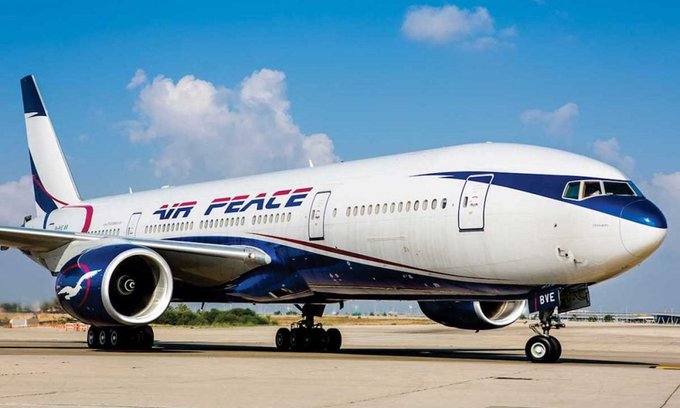
Flight disruption figures can help passengers and regulators understand performance, but they need to be read with the right denominator and the airline’s response. Nigeria’s August 2026 domestic operations reporting recorded widespread delays, with Air Peace accounting for the largest number of delayed flights in the published totals. Air Peace subsequently disputed the number of its flights included in the report. That disagreement matters because a delay rate depends on both the delayed-flight count and the total used to calculate it.
The reported August totals
Reporting on the NCAA summary stated that the covered airlines operated 7,961 domestic flights, of which 4,765 were delayed, while 36 cancellations were recorded. The published figures for Air Peace were 1,330 delayed flights out of 1,864 operations. That calculation produces a delay rate of about 71.4 per cent.
The overall calculation is about 59.9 per cent: 4,765 divided by 7,961. The figures refer to the flights in the report. They should not be rewritten as evidence that the report covered only 60 per cent of domestic operations; approximately 60 per cent was the reported proportion delayed.
Air Peace disputed the denominator
Premium Times reported that Air Peace said it operated 2,564 flights in August, rather than the 1,864 attributed to it in the NCAA summary. The airline said the discrepancy affected the reported rate and argued that external factors contributed to disruptions.
The difference should be stated alongside the regulator’s figures. It would be premature to treat the airline’s alternative denominator as a corrected official total without reconciling the underlying records and definitions. A disputed number is a reason to seek that reconciliation, rather than to choose whichever percentage makes the preferred argument.
Volume and rate measure different things
An airline that operates more flights can have a large number of delays even when its delay rate is below that of a smaller carrier. A rate describes how often the measured event occurred relative to the total operations. The absolute count describes the number of events recorded.
In the NCAA figures, Air Peace had the largest delayed-flight count. That does not mean it necessarily had the highest delay percentage among every carrier listed. Reporting should specify which comparison it is making, so that readers do not confuse scale of operations with frequency of disruption.
Duration adds another dimension
A short delay and a delay lasting several hours can affect travellers very differently. Counts grouped by duration provide more useful information than a single combined total. They help readers see whether the record reflects many modest schedule changes or a concentration of lengthy disruptions.
Duration alone still does not explain every consequence. A small delay can cause a missed connection, while a longer delay may be manageable for someone travelling with flexibility. The operational record and the passenger experience are related, but they answer different questions.
Causes require evidence of their own
The airline cited factors outside its direct control, including airport-related constraints and other disruptions. Those claims deserve examination, but an aggregate delay count cannot establish the cause of each event. The relevant records would connect the flight, time, operational conditions and reason assigned.
Equally, acknowledging external conditions does not answer every question about scheduling, contingency planning or communication. A complete performance review can consider both the cause of a disruption and the response to it. Those should be evaluated using the evidence for each stage.
What passengers can take from the report
A historical monthly summary provides context for planning, rather than a guarantee about the next journey. Passengers can check current flight information, leave a sensible margin before an important onward commitment and keep the airline’s contact route available. The necessary margin depends on the trip and cannot be inferred from one percentage.
When a change occurs, save booking details and communications so that the sequence is clear. Ask the airline directly about the revised schedule and available options. This article explains the statistics; it does not determine an individual passenger’s entitlement or assume the same response applies to every booking.
The useful next step is reconciliation
The disagreement over Air Peace’s total calls for a clear explanation of the records used by the regulator and the airline. Comparable definitions, a shared reporting period and a transparent account of included operations would help readers understand the difference.
Until that is available, the published NCAA totals and Air Peace’s response should remain visible together. The responsible conclusion is that the reporting recorded substantial disruption and that one important denominator was contested. That is more informative than an unsupported claim that every disputed figure is settled or that past performance predicts a particular future flight.
Sources: TheCable’s report of the NCAA summary and Premium Times’s report of Air Peace’s response. Percentages shown are calculations from the stated figures.
Originally reported by tori.ng. Adapted for our readers.