Netanyahu says Israel intends to take control of Gaza in interview
Israeli Prime Minister Benjamin Netanyahu recently made headlines by declaring Israel's plan to take control of the Gaza Strip, aiming to secure its borders and remove Hamas from power. His statement, delivered in an interview with Fox News, underscores a strategic shift in Israel's approach to Gaza amid heightened military operations and international scrutiny. Netanyahu emphasized that while Israel intends to manage security in Gaza, it does not seek to govern the territory directly, proposing instead to transfer civilian control to an alternative Arab authority. This announcement has sparked intense debate and concern, given the fragile humanitarian situation and complex geopolitical dynamics in the region.
Netanyahu's Statement: Control Without Governance
In a recent interview with Fox News, Prime Minister Benjamin Netanyahu clarified Israel's position regarding the Gaza Strip amid escalating conflict. He stated that Israel intends to take control of the entire Gaza Strip to ensure national security and dismantle Hamas's influence but explicitly expressed no desire to govern the territory directly. Netanyahu's distinction between control and governance reflects an attempt to balance military objectives with political considerations.
Netanyahu elaborated that Israel aims to establish a secure perimeter around Gaza and then transfer civilian governance to a non-Hamas Arab entity. This approach seeks to prevent Hamas, which Israel designates as a terrorist organization, from regaining power while avoiding the complexities and responsibilities of direct administration. The proposal signals Israel's intention to reshape Gaza's political landscape without prolonged occupation.
The Prime Minister's remarks came shortly before a critical Israeli cabinet meeting to discuss formal approval of this strategy. His comments diverge from earlier media reports suggesting a full reoccupation of Gaza, instead presenting a nuanced plan focused on security and administrative transition. This distinction has important implications for both Israel's military tactics and international diplomatic responses.
Political and Military Context Behind the Decision
Netanyahu's announcement must be understood within the broader context of increased military operations in Gaza following the Hamas-led attacks on southern Israel in October 2023. Israel has intensified its offensive to dismantle Hamas's military infrastructure and secure the release of Israeli captives held in Gaza. The decision to take control of the Strip aligns with these objectives, aiming to prevent future attacks and restore Israeli security.
Despite the Prime Minister's proposal, there is notable dissent within Israel’s security establishment. Lieutenant General Eyal Zamir, the military chief, reportedly opposes a full-scale reoccupation of Gaza, citing operational risks and the potential for significant casualties. This internal disagreement highlights the complexity of balancing military feasibility with political goals.
Defence Minister Israel Katz has publicly supported the military chief's right to voice his concerns while emphasizing the necessity for the military to implement government decisions. This dynamic underscores the tension between civilian leadership and military command in shaping Israel's Gaza policy during a highly volatile period.
Reactions from Hamas and Palestinian Authorities
Hamas swiftly condemned Netanyahu’s statements, labeling them a “coup” and accusing Israel of exploiting the ongoing conflict for political gain. The group criticized the plan as detrimental to the prospects of a ceasefire and hostage negotiations, asserting that Israel’s strategy sacrifices Palestinian captives and civilians to serve Netanyahu’s interests.
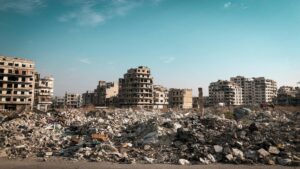
Palestinian authorities and Gaza’s Health Ministry have also voiced alarm over the worsening humanitarian crisis in the territory. The Ministry reported additional deaths related to famine and malnutrition amid the blockade and military operations, with the total hunger-related fatalities nearing 200, including many children. These developments amplify international calls for urgent humanitarian access.
The announcement has intensified tensions in Gaza, where civilian populations bear the brunt of conflict repercussions. Hamas’s rejection of Israel’s proposed governance transition adds to the political deadlock, complicating efforts to stabilize the region and protect vulnerable communities.
Humanitarian Impact and International Concerns
The humanitarian situation in Gaza has deteriorated significantly since the outbreak of hostilities. United Nations agencies have issued stark warnings about the risks of famine and widespread suffering, emphasizing the urgent need for food, medical supplies, and access to essential services. Gaza’s hospitals report increasing mortality linked to malnutrition, underscoring the crisis's severity.
International actors, including the UN Secretary General’s office, have expressed grave concerns over the potential for escalating humanitarian disaster if the conflict continues unchecked. Spokespersons have highlighted the need for restraint and dialogue to prevent further civilian casualties and infrastructure collapse.
Netanyahu’s plan to take control of Gaza without direct governance raises questions about how humanitarian aid and civilian administration will be managed. The uncertainty surrounding the transfer of authority to an unspecified Arab body fuels apprehension about effective governance and protection of Gaza’s population in the immediate future.
Israeli Public Opinion and Domestic Responses
Within Israel, public opinion remains deeply divided regarding the military campaign and Netanyahu’s proposed strategy for Gaza. While many support decisive action against Hamas to ensure national security and the release of captives, concerns persist about the risks and costs of prolonged conflict and occupation.
Protests have erupted near the Prime Minister’s office in Jerusalem, with demonstrators calling for negotiated deals to free hostages and for humanitarian considerations to be prioritized. These gatherings reflect a growing desire among segments of the Israeli population for a resolution that balances security with ethical responsibility.
Media coverage and commentary within Israel have scrutinized Netanyahu’s plan, with some journalists labeling the idea of handing Gaza over to another governing force as unrealistic. Critics question who would be willing and able to assume control of Gaza’s complex and volatile environment aside from the Israeli military.
Geopolitical Implications and Regional Dynamics
Netanyahu’s announcement has significant geopolitical implications, affecting Israel’s relations with neighboring Arab states and international stakeholders. The proposal to transfer Gaza’s governance to an Arab force suggests an attempt to involve regional actors in stabilizing the enclave, potentially reshaping alliances and responsibilities.
However, the feasibility of such a transfer remains uncertain, as many Arab governments are cautious about direct involvement in Gaza due to security risks and political sensitivities. The proposal may also impact ongoing ceasefire negotiations and diplomatic efforts aimed at de-escalation in the region.
International powers, including the United States and the United Nations, are closely monitoring developments. They face the challenge of balancing support for Israel’s security with advocacy for humanitarian protection and a sustainable political solution to the Israeli-Palestinian conflict.
Challenges Ahead: Security, Governance, and Human Rights
Implementing Netanyahu’s plan involves navigating complex challenges related to security, governance, and human rights. Establishing effective control over Gaza requires dismantling Hamas’s military capabilities while preventing power vacuums that could lead to further instability or extremist resurgence.
The question of who will govern Gaza after Israel’s control remains unresolved. Transferring authority to a credible and accepted civilian administration is critical for maintaining order, providing services, and protecting residents’ rights. Without clear plans and international support, the risk of chaos and suffering increases.
Human rights organizations have warned about the potential consequences of prolonged military control and the importance of safeguarding civilian populations. Any strategy must consider the legal and ethical dimensions of occupation and governance to avoid exacerbating an already dire humanitarian crisis.
Looking Forward: Potential Outcomes and International Role
The coming weeks will be decisive in determining the trajectory of Israel’s Gaza policy. The Israeli cabinet’s decisions and military actions will shape not only the security situation but also the humanitarian and political environment in the region. International mediation and pressure may influence outcomes.
Potential outcomes range from a limited security operation with subsequent transfer of governance to a protracted military occupation with significant consequences for both Israelis and Palestinians. The international community’s engagement will be crucial in supporting humanitarian relief and facilitating dialogue.
Ultimately, resolving the Gaza conflict demands a multifaceted approach that addresses security concerns, political governance, and human rights. Netanyahu’s announcement marks a pivotal moment, but the path ahead remains fraught with complexity and uncertainty.
Conclusion
Prime Minister Benjamin Netanyahu’s declaration of Israel’s intent to take control of the Gaza Strip without direct governance represents a significant shift in the region’s conflict dynamics. While aimed at enhancing Israeli security and dismantling Hamas’s influence, the plan faces substantial political, military, and humanitarian challenges. The deteriorating situation in Gaza, coupled with internal Israeli debates and international concerns, underscores the complexity of achieving a sustainable resolution. Moving forward, coordinated efforts involving regional actors and global institutions will be essential to balance security imperatives with the urgent needs of Gaza’s civilian population, paving the way for a more stable and peaceful future.
Originally reported by aljazeera.com. Adapted for our readers.