
News
KFF Health News’ ‘What the Health?’: LIVE From KFF: Health Care and the 2024 Election
Health News tamfitronics [Editor’snote:[Editor’snote: This transcript was generated using both transcription ...
TAMFIS NIG LTDRC 8067447CAC ACTIVEFinima, Bonny Island, Rivers State

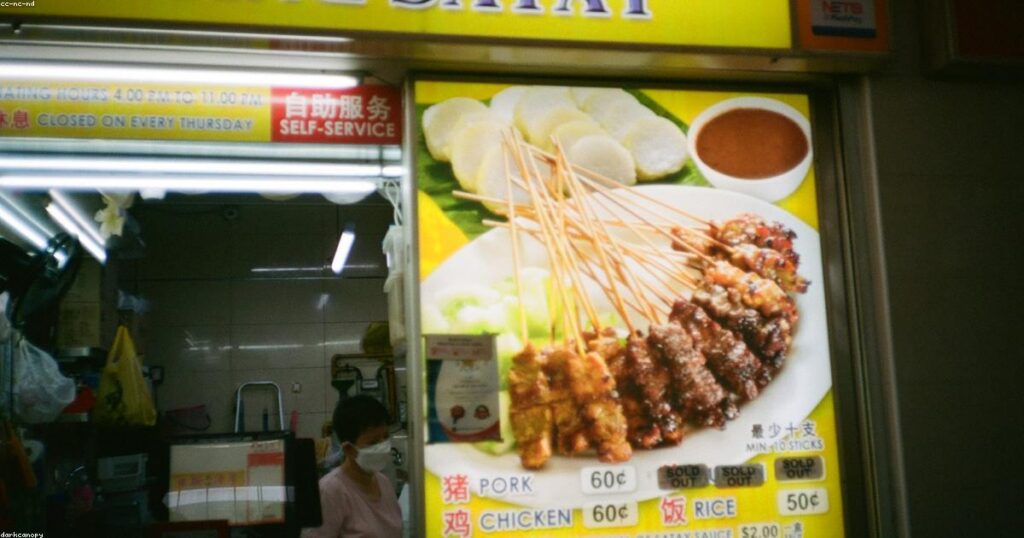
Ah Pui Satay, a cherished name among Singapore’s hawker food enthusiasts, has recently been enveloped in sadness following the passing of its founder, Ang Boon Ee, affectionately known as Ah Pui. At the age of 66, Ah Pui passed away peacefully after a brief period of ill health, just months after the stall’s much-anticipated return from a two-year hiatus. His journey from selling satay on a humble trishaw to establishing a beloved food centre stall in Toa Payoh reflects a remarkable legacy intertwined with Singapore’s culinary heritage. This article delves into the life of Ah Pui, the significance of his satay stall, the community’s reaction to his passing, and what the future holds for Ah Pui Satay.
Ang Boon Ee, better known as Ah Pui, was a stalwart figure in Singapore’s hawker food scene. Beginning his satay-selling journey in 1976, Ah Pui started with a simple trishaw, peddling his skewers around the city. His dedication to quality and authentic flavours quickly garnered him a loyal following, transforming his humble beginnings into a respected culinary brand.
Over the decades, Ah Pui’s satay became synonymous with traditional Singaporean street food, loved by locals and tourists alike. His commitment to preserving the authentic taste and technique made his stall a cultural icon in the hawker community. Beyond food, Ah Pui was known for his warm personality and the friendships he cultivated with patrons, many of whom regarded him as family.
Ah Pui’s contributions extended beyond just food. He represented the spirit of perseverance and passion that defines Singapore’s hawker culture. His journey from a mobile trishaw vendor to a staple in Toa Payoh Food Centre is a testament to his entrepreneurial spirit and dedication to his craft.
After operating in various locations, including an air-conditioned venue at Smith Street in Chinatown, Ah Pui Satay took a two-year hiatus, leaving many fans eagerly awaiting its return. The temporary closure was met with concern and speculation, as the stall had become a beloved fixture in the local food scene.
In April 2024, the stall triumphantly reopened at Block 75 Lorong 5 Toa Payoh Food Centre, sparking joy among satay enthusiasts. The reopening was celebrated widely on social media, with patrons expressing relief and excitement to once again enjoy Ah Pui’s signature satay in a familiar setting. The stall’s new location at #01-13 solidified its presence in the Toa Payoh community.
The return marked a new chapter for Ah Pui Satay, blending nostalgia with renewed energy. However, this joyous occasion was bittersweet, as it came shortly before Ah Pui’s health began to decline, underscoring the preciousness of his return to the hawker scene.
In the early hours of July 25, 2024, the official Facebook page for Ah Pui Satay shared the heartbreaking news of Ang Boon Ee’s passing. The message conveyed the sadness felt by the family and the entire Ah Pui Satay community, noting that he had passed away peacefully. The announcement also informed patrons of the temporary closure of the stall until July 28.
The news quickly spread across social media platforms and food enthusiast groups, prompting an outpouring of condolences and tributes. Many netizens expressed their sorrow over the loss of a heritage chef who had significantly contributed to Singapore’s hawker culture. Comments reflected a collective mourning for not just a man but a cultural institution.
One particularly touching comment encapsulated the community’s feelings: “Uncle Ah Pui, you are gone but not forgotten.” Such sentiments highlight the deep bond between Ah Pui and his patrons, who saw him as more than just a vendor but as a cherished figure in their culinary lives.
Ah Pui Satay represents more than just delicious skewers; it embodies the essence of Singapore’s hawker heritage. Hawker stalls like Ah Pui’s have long been pillars of the local food culture, offering accessible, affordable, and authentic cuisine that brings communities together. Ah Pui’s dedication to traditional satay preparation methods preserved this culinary art form for future generations.
The stall’s history, beginning from a trishaw in 1976 to its establishment in prominent food centres, mirrors the evolution of Singapore’s food scene. It showcases how hawker culture adapts and thrives amidst urban development and changing consumer preferences. Ah Pui Satay’s story is a vital chapter in this ongoing narrative.
Moreover, the stall’s presence in Toa Payoh, a heartland estate, emphasizes the role of hawker centres as social hubs where diverse communities converge. Ah Pui Satay not only served food but also fostered social connections, making it an integral part of local lifestyle and identity.
The passing of Ah Pui has sent ripples through Singapore’s hawker community, highlighting the vulnerability of heritage food businesses reliant on their founding chefs. Many hawker stalls are family-run and deeply tied to the personal skills and recipes of their founders, making succession and continuity a delicate matter.
Veteran hawkers and food lovers alike have expressed concern about the loss of traditional knowledge and techniques as iconic figures like Ah Pui depart. This event underscores the need for greater efforts to document and preserve hawker heritage, ensuring that culinary legacies endure beyond individual lifetimes.
Furthermore, Ah Pui’s death has sparked discussions about support systems for aging hawkers, including healthcare and business succession planning. The community’s response reflects a collective recognition of the importance of safeguarding the people behind the food.
Following the founder’s passing, the Ah Pui Satay stall remains temporarily closed as the family and team grieve. The stall is scheduled to reopen on July 28 at 3 pm, with the family assuring patrons that Ah Pui’s legacy and passion for satay will continue to be honoured through ongoing operations.
Maintaining the authenticity and quality that defined Ah Pui Satay will be paramount for the family and staff. This transition period is crucial to ensure that customers continue to receive the same beloved flavours and experience that have made the stall a staple.
The reopening will likely be a poignant moment for the community, serving both as a tribute to Ah Pui and a testament to the resilience of hawker businesses. It also reflects the broader theme of legacy preservation within Singapore’s food culture.
Ah Pui’s story highlights the importance of preserving hawker heritage amid rapid urban and societal changes. His dedication to traditional methods and personal engagement with customers set a standard for hawkers striving to maintain authenticity while navigating modern challenges.
The evolution of Ah Pui Satay from a mobile trishaw vendor to a renowned food centre stall exemplifies how adaptability and passion are essential for longevity in the hawker industry. At the same time, it underscores the significance of community support in sustaining these culinary institutions.
Going forward, there is a growing recognition that safeguarding hawker culture requires collective efforts, including government support, family succession planning, and public appreciation. Ah Pui’s legacy serves as both an inspiration and a call to action to ensure that such heritage continues to thrive.
The passing of Ang Boon Ee, fondly known as Ah Pui, marks the end of an era for Singapore’s hawker scene. His journey from selling satay on a trishaw to establishing a beloved stall in Toa Payoh Food Centre encapsulates the spirit of resilience, passion, and community that defines Singapore’s culinary heritage. While his loss is deeply felt, the continuation of Ah Pui Satay ensures that his legacy endures. This moment serves as a poignant reminder of the importance of preserving hawker culture and supporting the individuals who bring these treasured flavours to life. As the stall prepares to reopen, it stands as a testament to Ah Pui’s enduring influence and the collective commitment to keeping Singapore’s hawker traditions vibrant for generations to come.
Keep reading
News
Health News tamfitronics [Editor’snote:[Editor’snote: This transcript was generated using both transcription ...
News
Amanda Knox, the American woman acquitted of murdering British student Meredith Kercher in Italy, has re...
News
Three-time Olympic champion Adam Peaty, the greatest breaststroker in history, struggles to find his top form at the 2023 Commonwealth Games, settling for bronze…
TAMFIS NIG LTD
Electrical and instrumentation engineering, bid preparation and consulting, IT and software.