A Month After Venezuela’s Devastating Earthquakes: Families Continue the Search for Missing Loved Ones
On June 24, Venezuela’s coastal region of La Guaira was rocked by twin earthquakes that caused catastrophic damage, flattening apartment buildings and leaving thousands dead or missing. Despite the passage of over a month, families in the hardest-hit areas are still searching for the remains of their loved ones amid the rubble. Official figures report a death toll surpassing 5,300, but estimates of those still missing could be as high as 50,000. This article examines the ongoing challenges faced by survivors, the scale of the disaster, and the broader implications for Venezuela’s disaster response and recovery efforts.
A Month After Venezuela’s Devastating Earthquakes: Families Continue the Search for Missing Loved Ones
The Scale of the Disaster in La Guaira
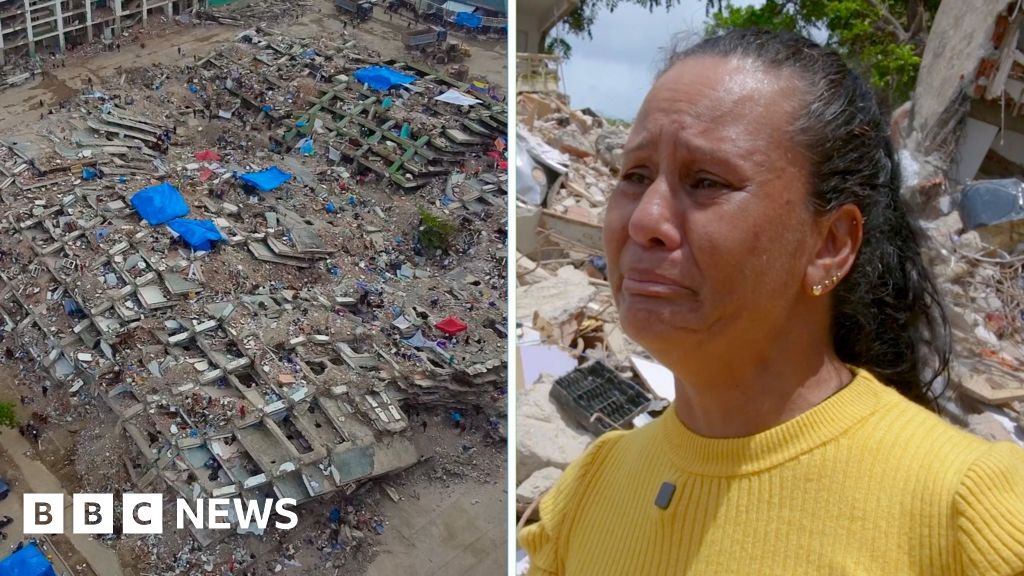
The twin earthquakes that struck Venezuela on June 24 caused unprecedented destruction along the coastal region of La Guaira. Buildings that once housed thousands were reduced to rubble, leaving many communities devastated. The government has confirmed that the death toll has exceeded 5,300, a figure that underscores the severity of the disaster.
However, the official numbers may only tell part of the story. Local estimates suggest that as many as 50,000 people remain unaccounted for, highlighting the immense scale of the tragedy and the difficulties in accounting for all victims in the aftermath. The destruction of infrastructure and the collapse of residential buildings have made rescue and recovery operations extremely challenging.
Families’ Ongoing Search for Loved Ones
More than a month after the earthquakes, families in La Guaira continue to search desperately for the bodies of their relatives. The emotional toll of the disaster is compounded by the uncertainty and anguish of not knowing the fate of missing family members. Many survivors sift through debris themselves, hoping to find any trace of their loved ones.
The BBC’s Latin America correspondent Will Grant, who visited La Guaira shortly after the earthquakes and returned a month later, reported that the search efforts remain a central focus for many families. Despite government efforts, the scale of destruction means that official recovery operations cannot reach every affected area promptly, leaving families to continue their own searches.
Challenges in Recovery and Identification
The process of recovering and identifying bodies in the aftermath of such a large-scale disaster is fraught with difficulties. The destruction of official records, lack of resources, and overwhelmed emergency services complicate efforts to provide closure to families.
In many cases, the rubble is unstable, posing risks to rescue workers and volunteers. Additionally, the sheer number of missing persons strains forensic and medical services tasked with identification. This situation delays the return of remains to families and prolongs their suffering.
Moreover, Venezuela’s ongoing economic and political challenges have affected the availability of resources and coordination necessary for an effective disaster response. This has hindered the speed and efficiency of recovery operations.
Government Response and Public Perception
The Venezuelan government has officially acknowledged the death toll and continues to coordinate rescue and recovery efforts. However, some families and observers have expressed frustration over the pace and scale of the response.
The discrepancy between official figures and local estimates of missing persons has fueled concerns about transparency and the adequacy of government action. In a disaster of this magnitude, effective communication and support for affected communities are critical to maintaining public trust.
Despite these challenges, emergency responders and volunteers remain active in the region, working tirelessly to assist survivors and recover victims.
Broader Implications for Disaster Preparedness in Venezuela
The earthquakes have exposed vulnerabilities in Venezuela’s disaster preparedness and response infrastructure. The devastation in La Guaira highlights the need for improved building codes, early warning systems, and emergency planning to mitigate the impact of future natural disasters.
Given Venezuela’s geographic location and seismic activity, enhancing resilience is essential. The current crisis underscores the importance of investing in disaster risk reduction and community preparedness to protect lives and property.
International aid and expertise may also play a role in supporting Venezuela’s recovery and strengthening its disaster management capabilities, though political and economic factors could influence such cooperation.
What this means
The devastating earthquakes that struck Venezuela’s La Guaira region have left a profound human and infrastructural toll. More than a month later, the search for missing loved ones continues, underscoring the enduring pain and uncertainty faced by survivors. The disaster has revealed critical gaps in Venezuela’s disaster response capabilities and the urgent need for enhanced preparedness measures. Moving forward, addressing these challenges will be essential to reduce vulnerability and improve outcomes in future emergencies. As families persist in their search for closure, the broader community and government must work together to support recovery and build resilience.
Editor’s note: The following is AI-generated commentary and context on this topic, not original reporting.
The Long Aftermath of Natural Disasters
Recovery efforts following a major earthquake often extend far longer than public attention typically allows, with search and identification work continuing in earnest weeks or months after initial rescue operations have concluded. Structural collapses can leave debris fields that require careful, methodical clearance to safely recover remains, a process complicated further when aftershocks, unstable structures, or limited heavy equipment slow the pace of work.
For families of the missing, the passage of time without confirmation of a loved one’s fate represents a distinct and prolonged form of grief, often described by disaster psychologists as more difficult in some respects than confirmed loss, given the absence of closure. Government and humanitarian agencies typically face pressure to sustain resources for recovery operations even as public attention shifts elsewhere, with community and religious organisations often stepping in to provide ongoing support to affected families during the extended search.
Originally reported by bbc.co.uk. Adapted for our readers with AI assistance.
Thousands of young protesters in Delhi continue to demand education reforms and the resignation of Education Minister Dharmendra Pradhan after a police crackdown. The…
Facing a looming financial collapse, Thames Water’s main lenders have offered the UK government a ‘golden share’ and increased local authority involvement to avoid…
Facing record-breaking temperatures and severe drought, Thames Water has introduced a hosepipe ban impacting over 10 million customers across parts of southern England to…