
Business
Nigeria’s Economic Performance: Domestic Debt Rise and Agriculture Trade Shift in Q2 2026
Nigeria's economic landscape in the second quarter of 2026 presents a mixed picture of fiscal press...
TAMFIS NIG LTDRC 8067447CAC ACTIVEFinima, Bonny Island, Rivers State

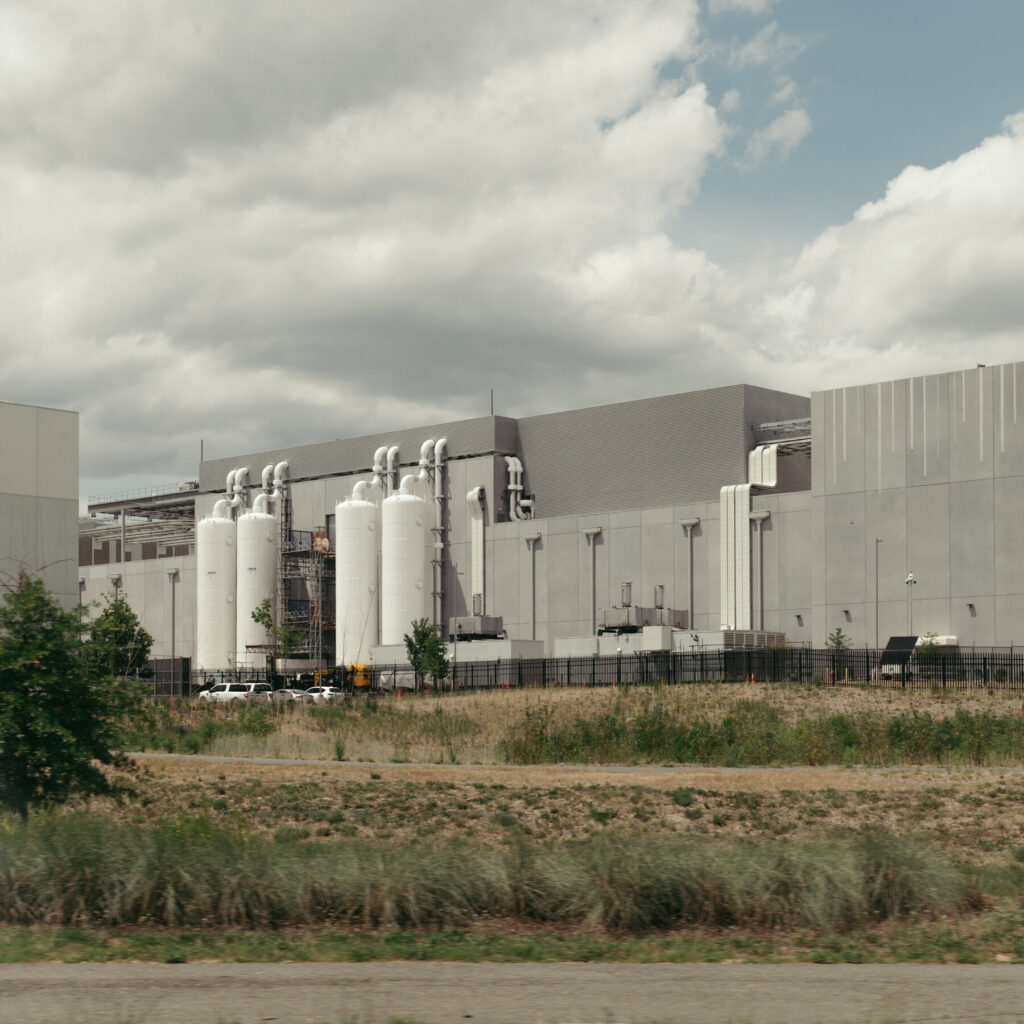
Loudoun County, Virginia, sits at the center of one of the most concentrated data-center markets in the United States. The county now hosts more than 250 data centers, facilities that store and process the digital information behind modern commerce, communication, and government. Those installations have produced enormous tax revenues, turning a Washington exurb into an engine of the internet economy. The money helps pay for schools, roads, public safety, parks, and other services residents expect. Yet the same success has produced unease. Some officials and residents have begun to ask whether Loudoun County has become too dependent on data-center tax revenue, and whether the county's long-term prosperity is now tied too closely to a single industry. The question is not just about money; it is about the kind of economy and future the county wants to build.
The rise of Loudoun County as a data-center capital has been one of the more striking economic transformations in modern Virginia. The county is now home to more than 250 data centers, a level of concentration that places it among the leading jurisdictions for digital infrastructure in the country. These facilities serve as the physical backbone of the internet, housing servers, storage systems, and cooling equipment needed to keep them running around the clock. Because they are capital-intensive and occupy large amounts of real estate, data centers tend to pay significant property taxes, making them attractive to local governments looking to expand their revenue base. In Loudoun County, those tax payments have become a pillar of the local budget, funding public schools, road maintenance, emergency services, and daily county operations. The industry has also brought construction activity, engineering jobs, and a reputation as a place where technology companies want to invest. At the same time, the scale of the industry has prompted some officials and residents to ask whether the county's future should be so closely bound to one type of facility.
Large tax revenues can solve immediate budget problems, but they can also create long-term vulnerabilities. In Loudoun County, the huge sums generated by more than 250 data centers have become deeply embedded in the way local government plans and spends. That dependence is welcome when the market is strong, but it means the county's fiscal health moves in tandem with the data-center sector. Some officials and residents have expressed concern that the county has reached a point where the loss or slowdown of that industry would reverberate across the entire budget. A diversified tax base spreads risk across many kinds of property owners and businesses, making a community less exposed to a downturn in any single sector. The worry is not that data centers will disappear overnight, but that the county has less flexibility than it would if its economy were built on a wider mix of employers, residents, farms, and small businesses. The conversation shifts from celebrating revenue to examining resilience.
The debate over Loudoun County's data-center economy touches on more than tax receipts. Some officials and residents worry that the county has become too dependent on the cash these facilities generate, and that the pursuit of that revenue may crowd out other priorities. A region defined by data centers may find it harder to attract or retain industries that require different kinds of land, labor, or amenities. Residents may question whether the county is preserving enough open space, farmland, housing variety, or small-town character. The issue is not always opposition to technology itself, but a desire to ensure that growth remains balanced and that short-term financial gains do not lock the county into a long-term development pattern it might later regret. The discussion raises governance questions: How many facilities are enough? What should the county do with the revenue while the boom lasts? And how should it prepare for a future in which data-center demand might level off or move elsewhere?
Looking ahead, Loudoun County must navigate a tension familiar to any place that has prospered from a single industry. The county's more than 250 data centers are likely to remain a significant presence, given the continuing expansion of cloud computing, streaming, and online commerce. For now, they continue to produce huge tax revenues that support public services and keep tax rates lower than they might otherwise be. Yet the fact that some officials and residents are questioning the county's dependence on that cash signals a shift in how the community views its own success. Rather than simply welcoming every new facility, the county may need to think more deliberately about diversification, savings, infrastructure planning, and quality of life. A sustainable approach would preserve the benefits of the data-center industry while building room for other economic activity. That balance is difficult to strike when current revenue is strong, but it is the central question facing Loudoun County as it decides what its next chapter will look like.
Loudoun County's data-center boom offers a case study in the rewards and risks of hosting a fast-growing industry. More than 250 facilities have delivered huge tax revenues that help fund local government and shape the county's place in the digital economy. But the same concentration has led some officials and residents to ask whether the county has become too dependent on that cash. Their concern points to a broader lesson: economic success is most durable when it is balanced, diversified, and planned with an eye toward change. Whether Loudoun County can maintain its role as a data-center hub while also building a more resilient economy will depend on the choices officials and residents make in the years ahead. The conversation is still unfolding, and its resolution will help define the county's finances for a generation.
Originally reported by nytimes.com. Adapted for our readers with AI assistance.
Keep reading
Business
Nigeria's economic landscape in the second quarter of 2026 presents a mixed picture of fiscal press...
Business
Liverpool manager Andoni Iraola is confronting a significant selection headache as two key forwards, Cod...
News
Health News tamfitronics [Editor’snote:[Editor’snote: This transcript was generated using both transcription ...
TAMFIS NIG LTD
Electrical and instrumentation engineering, bid preparation and consulting, IT and software.