Business
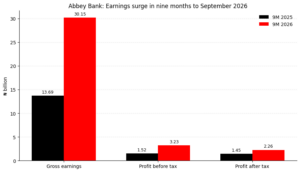
Abbey Bank’s 56% Profit Surge Signals Strategic Shift to Commercial Banking in Nigeria
Abbey Bank Plc's profit after tax rose 55.9 percent to N2.26 billion in the nine months to September 2026, driven by a 120 percent…
TAMFIS NIG LTDRC 8067447CAC ACTIVEFinima, Bonny Island, Rivers State

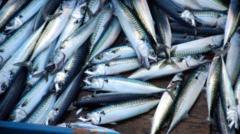
In recent years, the seafood industry has faced mounting pressure from dwindling fish stocks, regulatory changes, and shifting consumer expectations around sustainability and nutrition. One notable development is the substitution of Atlantic mackerel with jack mackerel in supermarket shelves across the UK and parts of Europe. While this change addresses some sustainability concerns, it also exemplifies the phenomenon known as 'skimpflation'—where manufacturers quietly downgrade product quality while maintaining prices. This article explores the implications of this trend for shoppers, retailers, and the broader seafood market, offering insights into the evolving landscape of fish sourcing and consumer transparency.
Atlantic mackerel, a popular and nutritious fish, has seen its stocks severely depleted due to overfishing and ongoing disputes over catch quotas among countries bordering the North-East Atlantic. Scientific bodies have recommended drastic cuts—up to 70%—in catch limits to allow stocks to recover. This has led to supply shortages and the loss of Marine Stewardship Council (MSC) certification for Atlantic mackerel, which many retailers rely on to meet sustainability commitments.
In response, suppliers like Princes and retailers such as Lidl have turned to jack mackerel, a species native to Chile and certified by the MSC. Jack mackerel is more abundant and costs roughly one-third as much as Atlantic mackerel wholesale. This substitution has been framed as a sustainable alternative, but it introduces significant differences in nutritional content and consumer experience.
Jack mackerel differs markedly from Atlantic mackerel in its nutritional profile. It contains about half the omega-3 fatty acids and only a third of the vitamin B12 found in traditional mackerel. For health-conscious consumers, this represents a notable downgrade, especially given the premium prices often charged for tinned fish products.
Beyond nutrition, consumers have reported differences in taste and texture, with jack mackerel described as having a milder flavor and meatier texture. While some may appreciate these qualities, others feel the change detracts from the authentic mackerel experience. The lack of clear labeling and communication around this switch has led to consumer dissatisfaction and confusion, highlighting the risks of 'skimpflation'—where product quality diminishes without transparent disclosure.
The transition to jack mackerel was facilitated by regulatory changes in the UK that now permit the species to be labeled as 'jack mackerel,' a departure from previous restrictions limiting marketing to names like 'jack' or 'horse mackerel.' This regulatory flexibility has allowed suppliers to align packaging with consumer expectations more closely.
However, industry voices such as the Scottish Pelagic Fishermen's Association have raised concerns about potential consumer confusion and the environmental implications of sourcing fish from distant waters. They argue that relying on imported jack mackerel punishes local UK fisheries and increases the carbon footprint associated with transportation, counteracting some sustainability gains.
Meanwhile, retailers like Waitrose have taken more cautious approaches, suspending sales of fresh and frozen Atlantic mackerel and phasing out tinned products as stocks dwindle. These moves have been praised by conservation groups as proactive steps toward sustainable seafood consumption.
The substitution trend is not confined to the UK. Supermarkets in the Netherlands and Sweden have also reduced or ceased sales of Atlantic mackerel, opting for jack mackerel alternatives. This reflects a broader global challenge in balancing sustainable sourcing with consumer demand and price sensitivity.
For shoppers, this shift underscores the importance of scrutinizing product labels and understanding the provenance and nutritional content of seafood products. For businesses, it highlights the delicate balance between managing supply chain pressures, maintaining product quality, and ensuring transparency to retain consumer trust.
The rise of 'skimpflation' in seafood is part of a wider retail trend where ingredient downgrades are used to control costs amid inflationary pressures. While this may offer short-term financial benefits to manufacturers and retailers, it risks eroding brand loyalty and consumer confidence if not managed openly.
Sustainability certifications like those from the MSC play a crucial role in guiding responsible seafood sourcing. However, the loss of certification for Atlantic mackerel and the reliance on alternatives like jack mackerel with different environmental footprints complicate the narrative for both retailers and consumers.
Retailers are increasingly expected to provide clear, honest communication about product changes, including species substitutions and their implications. This transparency is essential not only for ethical reasons but also to meet growing consumer demand for traceability and responsible sourcing.
From a business consulting perspective, companies that proactively engage with these challenges—by investing in sustainable supply chains, educating consumers, and innovating product offerings—are better positioned to thrive in an evolving market landscape shaped by environmental and economic factors.
The substitution of Atlantic mackerel with jack mackerel in supermarkets is a telling example of how environmental pressures, regulatory changes, and economic factors converge to reshape food markets. While this shift addresses sustainability concerns and cost challenges, it also raises important questions about nutrition, transparency, and consumer rights. For shoppers, staying informed and vigilant about product changes is crucial, while businesses must prioritize openness and responsible sourcing to maintain trust and competitiveness. As 'skimpflation' becomes more prevalent across food categories, the seafood sector’s experience offers valuable lessons on navigating the complex interplay between sustainability, quality, and consumer expectations in today’s global marketplace.
Originally reported by bbc.co.uk. Adapted for our readers with AI assistance.
Keep reading
Business
Abbey Bank Plc's profit after tax rose 55.9 percent to N2.26 billion in the nine months to September 2026, driven by a 120 percent…
Business
Federal Government launches comprehensive digital procurement training program for micro, small and medium enterprises to enhance e-commerce capabilities and market access.
Business
Global investment banking giant J.P. Morgan is preparing to establish its first merchant banking operation in Nigeria, targeting a pre-year-end 2026 commencement pending regulatory…
TAMFIS NIG LTD
Electrical and instrumentation engineering, bid preparation and consulting, IT and software.