
In recent months, a disturbing trend has emerged where animal dewormers and scabies medications are being marketed and sold as cancer treatments despite lacking scientific validation. A BBC investigation uncovered that drugs like fenbendazole, an animal dewormer, and ivermectin, used to treat scabies, are easily accessible online and through unlicensed sellers. This article explores the implications of this phenomenon, the potential risks to vulnerable patients, and the stance of medical professionals and regulatory bodies.
Uncovering the Sale of Unproven Cancer Treatments
A BBC undercover investigation revealed fenbendazole and ivermectin being sold as cancer treatments by unauthorized sellers, including a stairlift salesman in South Wales. The salesman offered these drugs for £100, claiming they could shrink brain tumors and treat various cancers. The investigation also found these products available on Amazon before the platform removed them following BBC contact.
These drugs are promoted on social media and online videos, some with millions of views, making unverified claims about their efficacy against cancer. The ease of access and persuasive anecdotes have driven growing demand among patients seeking alternative treatments. The salesman admitted to researching medical papers but is not a doctor, illustrating how misinformation spreads from non-experts.
This approach targets vulnerable individuals already facing serious illnesses, offering false hope through unproven therapies.
What Are Fenbendazole and Ivermectin?
Fenbendazole is an anti-parasitic drug intended for animals and is not licensed for human use in the UK. It is commonly used to deworm livestock and pets. Ivermectin is a prescription-only medication used to treat parasitic infections such as scabies in humans. Despite legitimate uses, ivermectin gained unwarranted attention during the COVID-19 pandemic as a supposed miracle cure, a claim unsupported by clinical trials.
Neither drug is approved by the UK’s Medicines and Healthcare products Regulatory Agency (MHRA) for cancer treatment. Some laboratory studies have explored their potential anti-cancer properties, but no conclusive human clinical evidence supports their use in cancer therapy.
The MHRA emphasizes ivermectin is not licensed for cancer treatment and fenbendazole is not licensed for human use. Using them outside approved indications poses serious health risks, including adverse reactions and interactions with other medications.
The Dangers of Misinformation and Unregulated Sales
Medical experts warn that patients taking these unproven drugs risk delaying or foregoing effective conventional cancer treatments, with serious consequences. Consultant oncologist Martin Rolles highlighted that these drugs could interact negatively with standard cancer medications, increasing toxicity or reducing efficacy.
The drugs themselves may cause harmful side effects, compromising patients' health and ability to undergo proven therapies. The MHRA notes selling prescription-only medicines without authorization is illegal and has taken enforcement actions, including seizing large quantities of fenbendazole and ivermectin intended for human use.
Despite these efforts, multiple websites still offer these drugs for delivery to UK addresses. Amazon removed listings after being alerted but acknowledged ongoing challenges policing third-party sellers.
The widespread availability of these drugs through unregulated channels increases risks that vulnerable patients may self-medicate without medical supervision, potentially leading to harmful outcomes.
Personal Stories Highlighting the Human Cost
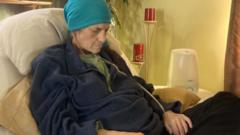
The human impact of misinformation is illustrated by Jared Wright from Wisconsin, whose mother Kelly took ivermectin and fenbendazole instead of conventional cancer treatment. Believing online claims that the drugs could cure cancer, she ignored medical advice and died shortly after her 63rd birthday. Jared described her death as painful and preventable, attributing it to misinformation and lack of proper medical guidance.
Similarly, Rebecca Holder’s father, Bob, who had brain and lung cancer, was approached by a stairlift salesman promoting these drugs. The salesman’s unsolicited advice and offer to supply medications exemplify how vulnerable patients can be targeted and misled.
These stories highlight the emotional and physical toll of misinformation, where hope for a cure leads to tragic outcomes when patients choose unproven treatments over evidence-based care.
Expert Opinions and the Call for Caution
Health organizations such as Macmillan Cancer Support and Cancer Research UK express concern over rising interest in these unproven treatments. Macmillan’s chief medical officer, Professor Richard Simcock, urges patients to consult clinical teams before considering such drugs and warns against relying on anecdotal evidence, which can be misleading.
Three-time cancer survivor and former surgeon Liz O’Riordan highlights psychological factors driving patients toward unproven therapies, including fear of death and desire for control and hope. She warns that anecdotal testimonials often overshadow scientific evidence, leading to dangerous decisions and preventable deaths.
Medical professionals stress the importance of evidence-based treatment and caution against unverified cures, emphasizing ongoing research is needed before recommending new therapies.
They also highlight the dangers of misinformation spreading through social media, where personal stories can be mistaken for scientific proof, complicating patient decisions.
Regulatory and Legal Perspectives
The MHRA enforces strict regulations on prescription medicines and veterinary drugs. Since 2024, it has worked with Border Force to seize tens of thousands of doses of fenbendazole and ivermectin intended for unauthorized human use.
Selling prescription-only medicines without a license is a criminal offense under the Human Medicines Regulations 2012. The MHRA pursues enforcement actions, including criminal investigations and prosecutions, against unauthorized sellers.
Amazon removed listings for these drugs after BBC contact and reaffirmed its commitment to proactive measures preventing prohibited products from third-party vendors.
Despite these efforts, the persistence of these drugs on multiple websites highlights ongoing challenges regulators face in controlling the online pharmaceutical market, especially with third-party sellers operating beyond national laws.
What this means
The allure of alternative cancer treatments like fenbendazole and ivermectin underscores the vulnerability of patients facing life-threatening illnesses. While hope is essential in healing, it must be grounded in scientific evidence and medical guidance. The unchecked sale and promotion of unproven drugs endanger patients and undermine trust in legitimate cancer care. Patients, caregivers, and healthcare providers must remain vigilant, prioritize evidence-based treatments, and combat misinformation to ensure safe and effective cancer care.
Source: Dewormer and scabies drugs being sold as cancer treatments, BBC investigation finds via www.bbc.co.uk.
This article was curated with AI assistance and reviewed according to Tamfis editorial settings.