
Health
How Millennials Are Turning to Gardening to Escape Digital Overload and Find Community
Amid the pressures of modern life and the constant presence of digital technology, many millennials are turning to gardening as a therapeutic escape and…
TAMFIS NIG LTDRC 8067447CAC ACTIVEFinima, Bonny Island, Rivers State

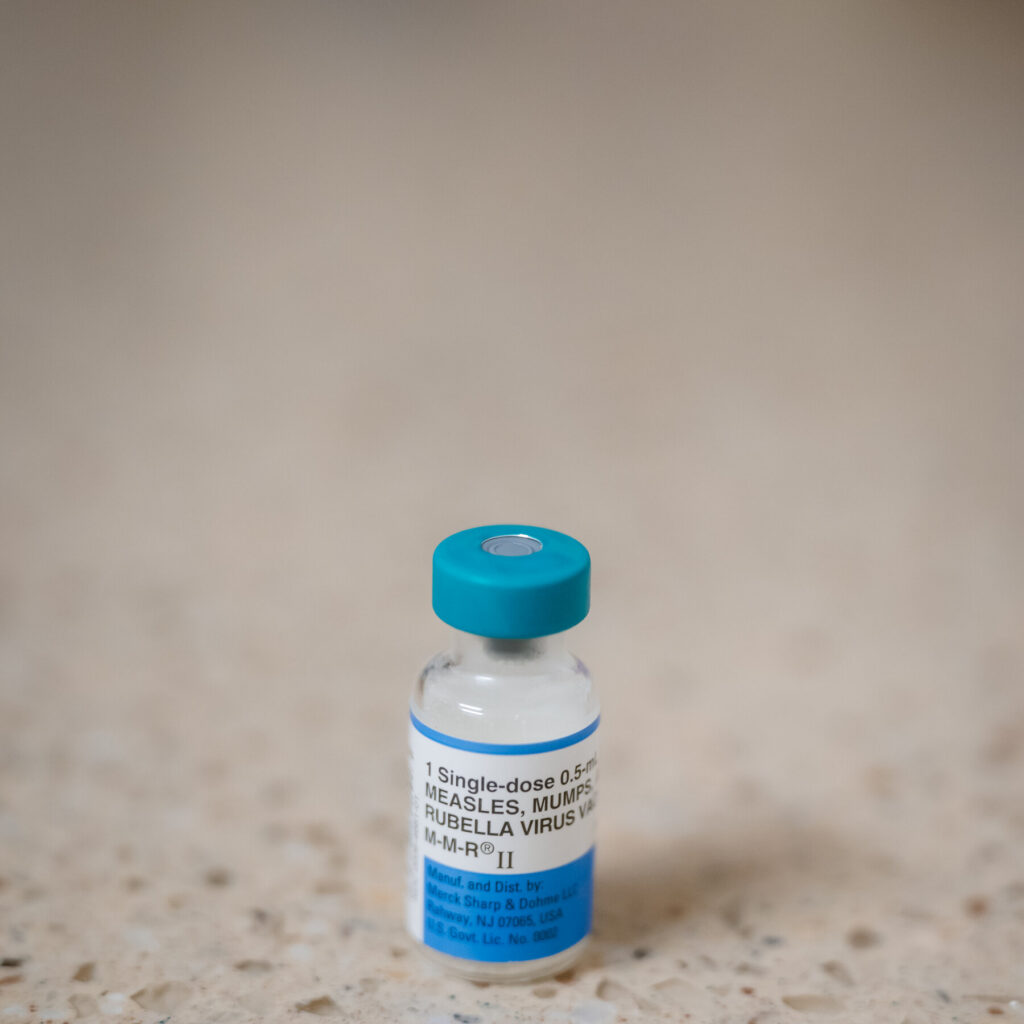
Vaccination strategies are a cornerstone of public health policy, especially for highly contagious diseases such as measles, mumps, and rubella. The combined MMR vaccine, which immunizes against all three diseases in a single injection, has been a critical tool worldwide, simplifying schedules and enhancing protection. Recently, President Trump has advocated for administering the MMR vaccine as three separate injections given at different times instead of the standard combined shot. This proposal has ignited debate among healthcare professionals, scientists, and public health officials. To engage in informed discussion and policy-making, it is essential to understand the science behind the combined MMR vaccine, the rationale for its development, and the potential consequences of splitting it into individual doses.
The MMR vaccine combines immunizations against measles, mumps, and rubella into a single injection. This combination was developed to simplify vaccination schedules, improve compliance, and reduce the number of injections children receive during their early years. Since its introduction in the 1970s, the combined vaccine has demonstrated high effectiveness in preventing these diseases, which can lead to serious health complications including pneumonia, encephalitis, infertility, and birth defects.
The combined approach also helps maintain high vaccination coverage by reducing logistical challenges for healthcare providers and families. Administering one shot instead of three separate appointments minimizes missed doses and improves overall immunization rates. This streamlined schedule is particularly beneficial in communities with limited access to healthcare or where frequent medical visits pose barriers.
President Trump has publicly suggested that the MMR vaccine should be split into three separate shots given at different times rather than as a combined injection. His rationale includes concerns about vaccine safety and the desire for individualized immunization schedules. This reflects a broader skepticism among some groups regarding vaccine combinations and their potential side effects, despite extensive scientific evidence supporting their safety.
While the intention to ensure vaccine safety is important, this proposal diverges from established medical guidelines and decades of research supporting the combined vaccine's safety and efficacy. It raises questions about the potential impact on public health, vaccination compliance, and the overall effectiveness of immunization programs.
Health professionals and vaccine researchers widely caution against separating the MMR vaccine. The combined vaccine has undergone rigorous testing and continuous monitoring to ensure its safety and effectiveness. Splitting it into three separate shots could lead to several issues:
– **Reduced Compliance:** Multiple appointments increase the likelihood that patients may miss one or more doses, leaving them partially protected. Studies have shown that vaccination rates drop when multiple visits are required, which increases vulnerability to outbreaks.
– **Increased Healthcare Burden:** More visits mean higher costs and logistical challenges for healthcare systems and families, including time off work, transportation difficulties, and scheduling complexities.
– **Potential for Lower Immunity:** The combined vaccine is designed to stimulate a robust immune response efficiently. Separating doses might alter this response, although further research would be needed to fully understand the immunological implications.
Experts emphasize that the current MMR vaccine's safety profile is well-established, with serious adverse effects being extremely rare. The benefits of the combined vaccine in preventing outbreaks far outweigh the minimal risks associated with vaccination.
Changing the MMR vaccine administration method could have significant public health consequences. Measles, mumps, and rubella are highly contagious diseases that require high vaccination coverage to maintain herd immunity and prevent outbreaks. Herd immunity occurs when a sufficient proportion of the population is immunized, thereby reducing the spread of disease and protecting those who cannot be vaccinated.
If vaccination rates decline due to increased complexity or vaccine hesitancy, communities may face resurgence of these diseases. Recent years have already seen measles outbreaks in areas with lower vaccination rates, underscoring the importance of maintaining effective immunization strategies. For example, measles outbreaks in the United States and Europe have been linked to pockets of unvaccinated populations, leading to preventable hospitalizations and deaths.
Public health officials stress that maintaining trust in vaccines and following evidence-based guidelines are crucial to protecting population health. Altering vaccination schedules without scientific support risks undermining public confidence and could reverse progress made in controlling these diseases.
Concerns about vaccine safety are understandable and should be addressed with transparent communication and ongoing research. However, separating the MMR vaccine without scientific justification may inadvertently increase risk by reducing vaccination rates and protection.
Medical authorities advocate for continued monitoring of vaccine safety and efficacy, alongside public education campaigns to combat misinformation. Decisions about vaccination schedules should be guided by robust evidence and expert consensus to ensure optimal health outcomes.
Engaging with communities to address fears and questions about vaccines remains a priority for healthcare providers and policymakers. Building trust through open dialogue, clear information, and addressing misconceptions can help sustain high vaccination coverage and protect public health.
The proposal to separate the MMR vaccine into three individual shots represents a significant departure from established vaccination practices grounded in decades of scientific research. While concerns about vaccine safety merit attention, the current combined MMR vaccine remains a safe and highly effective tool in preventing serious infectious diseases. Public health experts warn that splitting the vaccine could lead to lower vaccination rates and increased vulnerability to outbreaks. Ultimately, decisions about immunization strategies should prioritize evidence-based approaches that protect community health and maintain public trust in vaccines.
Originally reported by nytimes.com. Adapted for our readers with AI assistance.
Keep reading
Health
Amid the pressures of modern life and the constant presence of digital technology, many millennials are turning to gardening as a therapeutic escape and…
Health
Despite swimming being a common childhood activity in the UK, a disproportionately high number of Black Britons remain unable to swim. This article explores…
Health
At 85, actor Peter Marinker is preparing to perform Samuel Beckett’s Krapp’s Last Tape on a London stage despite living with Alzheimer’s disease. His…
TAMFIS NIG LTD
Electrical and instrumentation engineering, bid preparation and consulting, IT and software.