
Health
How Millennials Are Turning to Gardening to Escape Digital Overload and Find Community
Amid the pressures of modern life and the constant presence of digital technology, many millennials are turning to gardening as a therapeutic escape and…
TAMFIS NIG LTDRC 8067447CAC ACTIVEFinima, Bonny Island, Rivers State

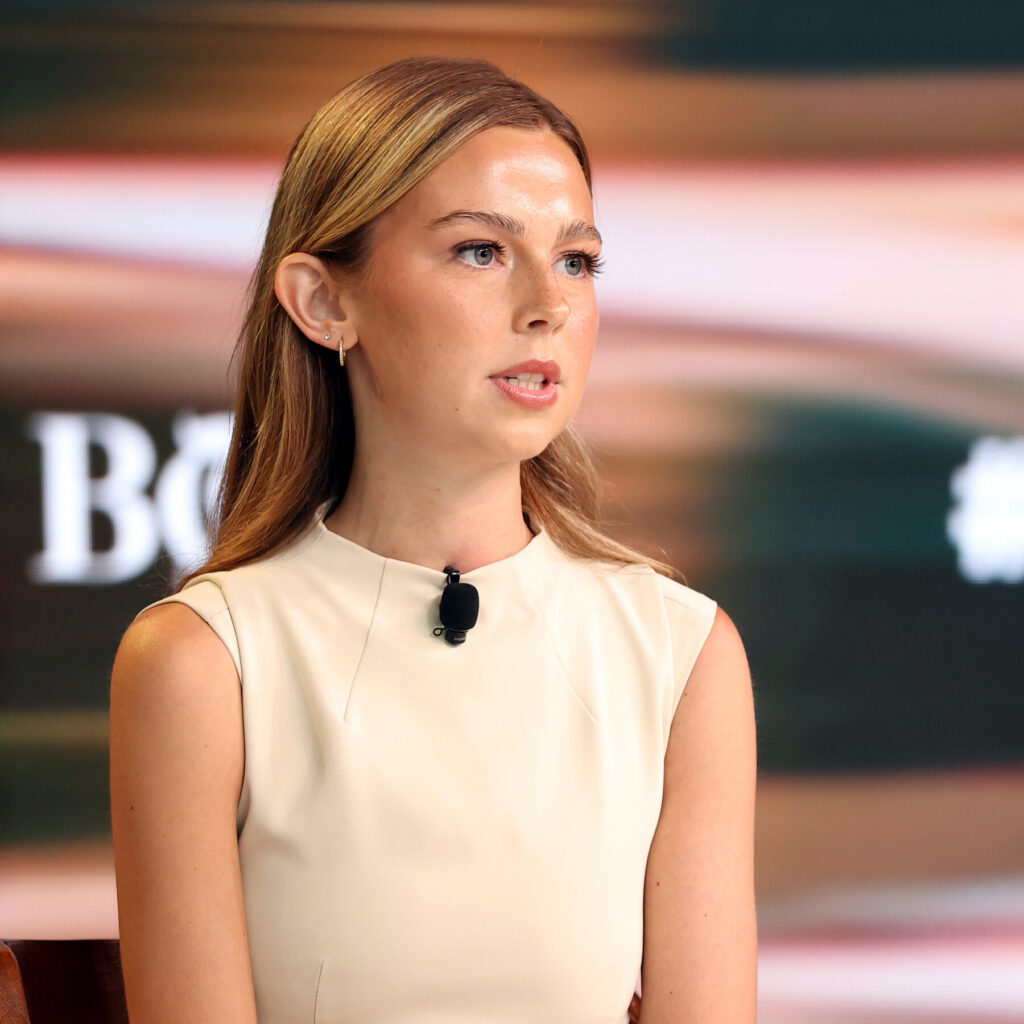
Sydney Towle, who passed away at the age of 26, became a powerful voice for those confronting serious illness. Through her candid TikTok videos, she amassed a large following, offering an unvarnished look at life with cancer. Her openness challenged societal expectations about illness and resilience, inspiring many and fostering a deeper understanding of what it means to live with a life-threatening disease. In doing so, she not only provided comfort and representation for those affected but also educated a broad audience about the complexities of living with cancer.
Sydney Towle's TikTok presence was groundbreaking in its authenticity. Rather than presenting a sanitized or idealized version of her cancer experience, she shared the raw realities of her condition, including the physical and emotional toll it took. This approach resonated deeply with a broad audience, many of whom had never seen such an honest portrayal of illness in social media spaces.
Her content broke down the stigma often associated with serious diseases by openly documenting her treatments, symptoms, and emotional struggles. This transparency provided a window into the daily challenges faced by patients, from managing side effects to coping with uncertainty. By doing so, Towle helped demystify cancer and fostered empathy among viewers who might otherwise have limited understanding of the patient experience.
Importantly, her videos also highlighted the diversity of illness experiences, showing that cancer affects individuals in varied and complex ways. This visibility contributed to a broader cultural shift toward acknowledging the realities of chronic and life-threatening conditions beyond clinical definitions.
Towle's videos confronted common assumptions about how people with serious illnesses should look or behave. Instead of conforming to the image of a fragile or defeated patient, she demonstrated strength, vulnerability, and a complex humanity. Her willingness to share moments of pain alongside humor and hope challenged one-dimensional portrayals of illness.
Her presence on social media highlighted that illness does not define a person’s identity or diminish their spirit. This message was particularly impactful for younger audiences, who often encounter illness portrayed in limited or stereotypical ways in media and popular culture.
By living openly and unapologetically, Towle expanded the narrative around cancer, showing that patients can be multifaceted individuals with hopes, humor, and resilience. She disrupted the expectation that those with serious illnesses must present themselves in a certain way to be seen as worthy or inspiring, instead embracing a full spectrum of human experience.
This reframing helped to humanize patients beyond their diagnosis, encouraging viewers to see them as whole people rather than solely as sufferers.
Towle’s use of TikTok exemplifies how social media platforms can serve as powerful tools for health communication. Her ability to reach over a million followers allowed her to educate, support, and connect with a community beyond traditional healthcare settings. This level of reach is unprecedented in patient advocacy and storytelling.
Social media’s immediacy and accessibility enabled Towle to share her journey in real time, creating a dynamic dialogue with her audience. This interaction provided emotional support not only for herself but also for others facing similar challenges, fostering a sense of solidarity and shared experience.
Her story underscores the potential for digital platforms to humanize medical experiences and foster solidarity among patients, caregivers, and the public. Unlike conventional health communication, which can be clinical or impersonal, social media allows for nuanced, personal storytelling that resonates on an emotional level.
Moreover, platforms like TikTok enable younger generations to engage with health narratives in ways that feel relevant and relatable, breaking down barriers of age and experience.
Sydney Towle’s impact extends far beyond her TikTok following. She has left a legacy of courage and openness that challenges how society views illness and those who live with it. Her story serves as a catalyst for conversations about vulnerability, strength, and the realities of living with serious disease.
Her willingness to share the unfiltered aspects of her cancer journey has inspired countless individuals to speak openly about their own health struggles. This shift toward transparency can improve mental health outcomes and reduce feelings of isolation among patients, providing a sense of community and validation.
Towle’s story also invites healthcare providers and advocates to consider the importance of patient voices in shaping public understanding and policy related to serious illnesses. Her example highlights how patient narratives can inform more compassionate and effective healthcare approaches.
As awareness grows around the value of lived experience, Towle’s legacy encourages ongoing efforts to integrate patient perspectives into medical education, research, and advocacy.
Ultimately, her influence demonstrates that sharing personal health journeys publicly can be a powerful form of activism, breaking down stigma and fostering empathy across diverse audiences.
Sydney Towle’s journey, shared through the lens of social media, transformed public perceptions of serious illness. By embracing vulnerability and strength, she offered a powerful counter-narrative to traditional portrayals of cancer patients. Her story not only provided comfort and inspiration to many but also emphasized the importance of authentic patient voices in fostering understanding and empathy. As society continues to grapple with health challenges, Towle’s legacy reminds us that illness does not diminish the complexity and dignity of those who live with it. Her courage and openness continue to inspire a more compassionate and informed approach to illness, resilience, and human connection.
Originally reported by nytimes.com. Adapted for our readers with AI assistance.
Keep reading
Health
Amid the pressures of modern life and the constant presence of digital technology, many millennials are turning to gardening as a therapeutic escape and…
Health
Despite swimming being a common childhood activity in the UK, a disproportionately high number of Black Britons remain unable to swim. This article explores…
Health
At 85, actor Peter Marinker is preparing to perform Samuel Beckett’s Krapp’s Last Tape on a London stage despite living with Alzheimer’s disease. His…
TAMFIS NIG LTD
Electrical and instrumentation engineering, bid preparation and consulting, IT and software.