
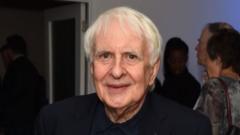
Peter Gill, who passed away at the age of 86, was a towering yet understated figure in British theatre. Born in Cardiff and beginning his career as an actor, Gill evolved into a visionary director and playwright whose work reshaped the theatrical landscape. Known for his gentle demeanor paired with fierce intelligence, he brought a rare emotional delicacy and deep insight to his craft. This article explores Gill’s life, his significant contributions to theatre, and the enduring impact of his work.
Early Life and Acting Career
Born on 7 September 1939 in Cardiff, Peter Gill was raised in a working-class environment and remained fiercely proud of his Welsh heritage throughout his life. Starting his career in the arts at 18, he performed with prestigious companies such as the Royal Shakespeare Company, gaining invaluable experience on stage.
Gill also appeared in notable films including HMS Defiant and Zulu, demonstrating his versatility as an actor across different mediums. These early experiences provided him with a profound understanding of performance, which later informed his sensitive approach to directing and playwriting.
Championing DH Lawrence and Reviving British Theatre
Gill’s association with the Royal Court Theatre in London was a defining period in his career. There, he became instrumental in reintroducing the dramatic works of English writer DH Lawrence to contemporary audiences. By directing Lawrence’s plays such as A Collier’s Friday Night, The Daughter-in-Law, and The Widowing of Mrs Holroyd, Gill sparked renewed interest in these works, which had been largely neglected since Lawrence’s death in 1930.
This revival enriched the British theatrical repertoire and helped ignite a renaissance of Lawrence’s plays in London theatre circles. Gill also premiered his own early plays, The Sleeper’s Den and Over Gardens Out, at the Royal Court, further establishing himself as a distinctive and influential voice in drama.
His championing of Lawrence’s domestic dramas was notable for its emotional precision and nuanced observation of working-class life, themes that resonated deeply with audiences and critics alike.
Leadership and Innovation at Riverside Studios
In 1976, Gill was appointed artistic director of Riverside Studios in Hammersmith. His inaugural production, Shakespeare’s As You Like It, marked the official opening of the theatre under his leadership. Gill’s vision transformed Riverside Studios from a modest fringe venue into a respected cultural institution on par with leading West End theatres.
He also adapted Anton Chekhov’s The Cherry Orchard for the stage at Riverside, showcasing his skill in reinterpreting classic works for contemporary audiences. Under his stewardship, the theatre became known for its innovative programming and high artistic standards, attracting a diverse array of talent and productions.
Gill’s leadership at Riverside demonstrated his commitment to nurturing theatrical spaces that balanced artistic integrity with accessibility, helping to broaden the reach and impact of British theatre.
Recognition and Lasting Influence
Gill’s contributions to theatre were formally recognized in 1980 when he was appointed an Officer of the Order of the British Empire (OBE). In 1984, he founded the National Theatre Studio, which he ran until 1990, providing a vital space for the development of new plays and the nurturing of emerging talent.
His agent, Mel Kenyon, described him as a “gentle man with a fierce intelligence,” a voracious reader with expansive knowledge of the arts. Kenyon emphasized the rare emotional delicacy and finely tuned observations that characterized Gill’s work.
Theatre director Michael Grandage praised Gill’s ability to transform the domestic into the universal, calling his influence “quietly seismic.” He noted that future generations discovering Gill’s work would encounter some of the finest plays and most beautiful prose in the English language.
Welsh actor Luke Evans credited Gill with changing the trajectory of his career after casting him in the 2008 revival of Gill’s play Small Change. Evans described the role as pivotal, saying it launched his professional life and enabled his subsequent film career.
Tamara Harvey, co-artistic director of the Royal Shakespeare Company, lauded Gill as a “true artist” devoted to theatre, highlighting his unerring ability to capture the complexity of human existence—a quality that ensures his writing will endure.
Legacy and Reflection
Peter Gill’s legacy is multifaceted: as an actor, director, playwright, and theatre leader, he profoundly shaped British theatre. His dedication to reviving neglected works, nurturing new talent, and elevating theatre spaces has left an enduring imprint on the cultural landscape.
His approach combined intellectual rigor with emotional sensitivity, creating works that resonate on both personal and universal levels. Though he maintained a quiet personal presence, his influence echoes loudly through the plays he championed and the artists he inspired.
As the theatre community reflects on his passing, it is clear that Gill’s contributions will continue to inform and inspire future generations, ensuring that his quietly seismic impact remains a vital part of British cultural history.
What this means
Peter Gill’s passing marks the end of an era for British theatre, but his legacy of artistic excellence, emotional nuance, and cultural revival continues to thrive. Through his dedication to both classic and contemporary works, and his nurturing of theatrical spaces and talent, Gill helped shape a vibrant and dynamic theatrical tradition. His work reminds us that profound impact often comes through quiet dedication and thoughtful artistry, leaving a lasting imprint on the cultural landscape.
Source: Tributes paid to 'quietly seismic' theatre director and playwright Peter Gill via www.bbc.co.uk.
This article was curated with AI assistance and reviewed according to Tamfis editorial settings.