John Galliano Withdraws from Met Museum Show Amid Controversy Over Past Antisemitic Remarks
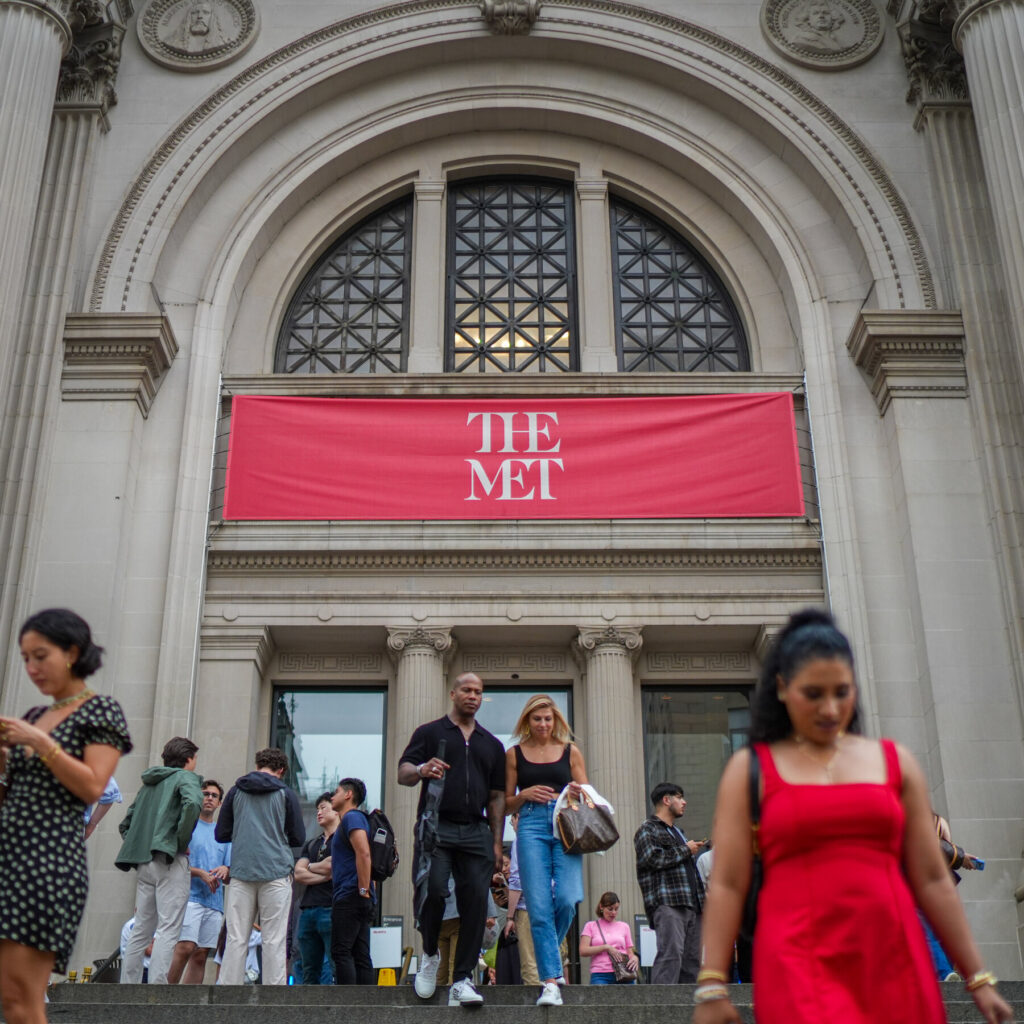
The Metropolitan Museum of Art recently found itself at the center of a heated debate after announcing plans to feature John Galliano, a renowned fashion designer, in an upcoming exhibition. Galliano's inclusion sparked widespread backlash due to his past conviction for antisemitic hate crimes. Under increasing pressure from donors, political figures, and Jewish organizations, Galliano has withdrawn from the event, highlighting the complex intersection of art, accountability, and public memory in contemporary cultural institutions.
John Galliano Withdraws from Met Museum Show Amid Controversy Over Past Antisemitic Remarks
Background: John Galliano’s Career and Controversy
John Galliano is a highly influential figure in the fashion industry, celebrated for his innovative and theatrical designs that have shaped modern haute couture. Rising to prominence in the 1990s, Galliano garnered critical acclaim and a loyal following among fashion enthusiasts worldwide. His creative vision was often described as groundbreaking, blending historical references with avant-garde aesthetics.
However, Galliano’s career faced a severe setback in 2011 when he was publicly recorded making antisemitic remarks, leading to a conviction for hate crimes. This legal judgment not only damaged his professional standing but also ignited a broader conversation about accountability in the fashion world. Following the incident, Galliano was dismissed from his role at a major fashion house and faced widespread condemnation.
The antisemitic outbursts were not isolated, as they reflected a troubling pattern that many found deeply offensive. Despite later expressions of remorse and efforts to rehabilitate his public image, the controversy has remained a defining and contentious aspect of Galliano’s legacy, complicating how his artistic contributions are viewed.
The Met Museum’s Decision and the Resulting Backlash
The Metropolitan Museum of Art’s announcement to feature John Galliano in a high-profile exhibition was met with immediate and intense criticism. The museum’s decision was seen by many as an attempt to separate the artist’s creative achievements from his personal misconduct. However, this approach was challenged by various stakeholders who argued that honoring Galliano risked minimizing the seriousness of his past antisemitic behavior.
Donors, politicians, and Jewish community leaders voiced strong objections, emphasizing that the museum’s choice could undermine ongoing efforts to combat antisemitism and send a troubling message about tolerance. The backlash underscored the delicate balance cultural institutions must strike between recognizing artistic merit and upholding ethical standards.
Some defenders of the Met’s decision argued that Galliano’s innovative work deserved recognition independent of his personal failings. Nonetheless, many critics viewed the move as insensitive, potentially alienating key supporters and damaging the museum’s reputation as a socially responsible institution.
Community and Political Responses
Jewish organizations were among the most vocal opponents of the Met’s decision, highlighting the painful legacy of antisemitism and the importance of accountability for public figures. Their responses reflected a broader societal commitment to challenging hate speech and protecting vulnerable communities from its harmful effects.
Political leaders also entered the conversation, signaling the issue’s significance beyond the art world. Several officials publicly urged the museum to reconsider its plans, citing concerns about the institution’s standing and the broader implications for social values such as tolerance and respect.
Donors, whose financial contributions are vital to the Met’s operations, reportedly expressed discomfort and dissatisfaction with the inclusion of Galliano. This financial pressure added another layer of urgency, compelling the museum to weigh the potential consequences of its programming decisions carefully.
Galliano’s Withdrawal and Its Implications
In response to the mounting criticism and pressure from various quarters, John Galliano announced his withdrawal from the Met Museum show. This decision was widely interpreted as a necessary step to defuse controversy and enable the museum to proceed without the shadow of public disapproval.
Galliano’s exit brings to the forefront important questions about how personal conduct should factor into the evaluation of an artist’s legacy. It exemplifies a growing trend among cultural institutions to prioritize ethical considerations and community sensitivities when curating exhibitions and public programs.
The incident serves as a case study in the influence of public opinion and stakeholder engagement on cultural programming, especially when dealing with figures who have controversial or problematic histories. It also reflects evolving expectations that institutions must navigate carefully to maintain public trust.
Balancing Artistic Merit and Ethical Accountability
The controversy surrounding Galliano at the Met Museum exemplifies an ongoing debate in the arts and cultural sectors about whether and how to separate an artist’s creative work from their personal actions. Some argue that artistic achievements should be assessed independently, allowing for appreciation of innovation without condoning misconduct.
Conversely, others contend that honoring individuals with histories of hate speech or other harmful behavior risks perpetuating harm, normalizing unacceptable attitudes, and alienating communities affected by such conduct. This perspective calls for a more holistic approach that integrates ethical accountability into decisions about recognition and celebration.
Museums and cultural institutions increasingly face pressure to adopt transparent policies that address these complex dilemmas. This includes actively engaging with affected communities, considering the broader social impact of exhibitions, and being prepared to make difficult decisions when controversies arise.
The Met’s experience illustrates the importance of proactive communication, stakeholder engagement, and sensitivity to community concerns. These elements are essential for navigating the challenges posed by controversial figures while maintaining institutional integrity and public trust.
What this means
The Metropolitan Museum of Art’s experience with John Galliano’s planned exhibition and subsequent withdrawal highlights the delicate balance between celebrating artistic innovation and upholding ethical standards. As cultural institutions continue to grapple with the legacies of controversial figures, transparent dialogue and sensitivity to community concerns remain essential. This episode serves as a reminder that honoring creativity does not exist in a vacuum but is deeply intertwined with social responsibility and the values that institutions choose to uphold.
Originally reported by nytimes.com. Adapted for our readers with AI assistance.
Omotola’s podcast remarks raise practical questions about income, reputation and values. Here is how professionals can assess offers without inventing claims about missed earnings.