
Educational Resources
Benefits of AI in Software Development: Powering the Future of code
Artificial Intelligence (AI) is...
TAMFIS NIG LTDRC 8067447CAC ACTIVEFinima, Bonny Island, Rivers State

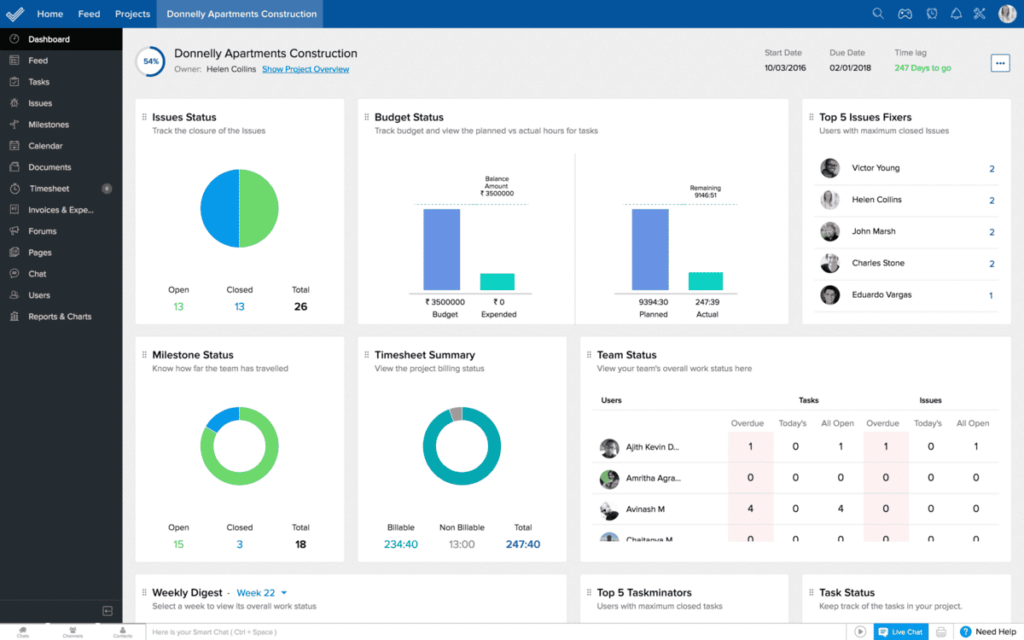
In today’s fast-paced business environment, efficient project management is essential for success. Whether you're just starting your journey or looking to enhance your existing skills, understanding project management software and methodologies is crucial. This article explores the fundamentals of project management software and outlines the path from beginner to professional project manager through a structured course. By mastering these tools and techniques, you can streamline workflows, improve team collaboration, and deliver projects on time and within budget.
Project management software is designed to help teams plan, execute, and monitor projects efficiently. These platforms offer a variety of tools such as task assignment, scheduling, resource allocation, and progress tracking. By centralizing project information, they enhance communication and reduce the risk of errors or missed deadlines.
There are many types of project management software available, ranging from simple task managers to comprehensive enterprise solutions. Popular tools include Asana, Trello, Microsoft Project, and Jira, each catering to different project sizes and industries. Selecting the right software depends on your project complexity, team size, and specific workflow requirements.
The primary benefit of project management software is its ability to provide real-time visibility into project status. This transparency helps project managers identify bottlenecks early, allocate resources effectively, and make informed decisions. Additionally, many software platforms integrate with other business tools, creating a seamless ecosystem for productivity.
While project management software offers powerful tools, understanding the underlying principles of project management is equally important. A structured course provides foundational knowledge on project lifecycles, methodologies, and best practices, enabling you to leverage software tools effectively.
A project management course typically covers essential topics such as initiating, planning, executing, monitoring, and closing projects. It also introduces various methodologies like Waterfall, Agile, and Scrum, helping you adapt to different project environments and team dynamics.
Taking a course helps beginners build confidence and develop critical skills such as risk management, stakeholder communication, and time management. For experienced professionals, it offers an opportunity to formalize knowledge, learn advanced techniques, and prepare for certification exams like PMP or CAPM.
At the beginner level, the focus is on understanding the basics of project management and familiarizing yourself with popular software tools. This includes learning how to create and manage simple projects, set deadlines, and assign tasks to team members.
Beginners should start by exploring user-friendly platforms like Trello or Asana, which provide intuitive interfaces and visual task boards. These tools help you grasp concepts such as task dependencies, milestones, and progress tracking without being overwhelmed by complex features.
Additionally, foundational courses introduce core project management terminology and concepts, such as scope, objectives, deliverables, and stakeholder roles. Grasping these ideas early sets the stage for more advanced learning and practical application.
Once the basics are mastered, the intermediate stage focuses on enhancing your ability to manage more complex projects and utilize advanced software features. This includes learning about resource allocation, budget management, and risk assessment.
Intermediate project management courses often introduce methodologies like Agile and Scrum. These approaches emphasize flexibility, iterative progress, and continuous improvement, which are critical in dynamic project environments such as software development and marketing campaigns.
At this stage, you also learn to use software reporting tools to analyze project performance and generate insights. Understanding how to interpret data helps you make proactive adjustments and communicate effectively with stakeholders.
The advanced level prepares you to handle large-scale, complex projects and lead diverse teams. You learn sophisticated techniques for portfolio management, strategic planning, and quality assurance.
Advanced courses cover leadership skills, conflict resolution, and negotiation tactics, which are essential for managing stakeholders and motivating team members. You also gain expertise in integrating multiple projects and aligning them with organizational goals.
Project management software at this level often involves customization, automation, and integration with enterprise resource planning (ERP) systems. Mastering these capabilities maximizes efficiency and provides comprehensive oversight across projects.
Earning certifications such as PMP (Project Management Professional) or Agile Certified Practitioner (PMI-ACP) can significantly boost your career prospects. These credentials validate your knowledge and demonstrate your commitment to the profession.
Certification preparation courses focus on exam strategies, case studies, and practical applications of project management principles. They also deepen your understanding of ethical standards and professional responsibility.
Professional growth extends beyond certification; continuous learning and networking are vital. Joining project management communities, attending seminars, and staying updated on industry trends help you advance and adapt to evolving challenges.
Selecting the appropriate project management software depends on various factors including project size, team collaboration needs, budget, and industry requirements. Conducting a thorough needs analysis helps identify the features that matter most for your projects.
Consider software scalability and integration capabilities to ensure the tool grows with your organization. User experience and customer support are also critical, as they affect adoption rates and overall productivity.
Trial periods and demos provide hands-on experience with different platforms. Evaluating how well the software aligns with your project workflows and communication styles ensures you make an informed decision that boosts efficiency.
Effective project management requires a blend of technical skills and interpersonal abilities. Clear communication, active listening, and empathy foster a collaborative team environment and help resolve conflicts quickly.
Maintaining flexibility and adaptability is essential, especially when projects encounter unexpected changes or challenges. Embracing iterative methodologies like Agile allows for continuous improvement and responsiveness.
Regularly reviewing project progress and soliciting feedback from stakeholders ensures alignment with goals and expectations. Utilizing project management software to its full potential supports transparency and accountability throughout the project lifecycle.
Mastering project management software alongside comprehensive training equips you to lead projects confidently from inception to completion. Whether you’re a beginner or an experienced professional, investing time in learning methodologies, software tools, and leadership techniques is crucial to delivering successful projects. By following a structured course from beginner to pro, you not only enhance your skills but also increase your value in today’s competitive job market. Embrace continuous learning, choose the right tools, and cultivate essential soft skills to become a highly effective project manager.
Keep reading
Educational Resources
Artificial Intelligence (AI) is...
Business News
In today’s fast-paced and highly competitive business environment, generic solutions no longer suffice. ...
Educational Resources
Understand the concept of expertise through detailed definitions and insights. A must-read for those looking...
TAMFIS NIG LTD
Electrical and instrumentation engineering, bid preparation and consulting, IT and software.