
Insights
How to Scope a Technology or Engineering Project Before You Request a Quote
Prepare a clear engineering or technology brief: define outcomes, scope, interfaces, budget, delivery constraints and acceptance checks.
TAMFIS NIG LTDRC 8067447CAC ACTIVEFinima, Bonny Island, Rivers State

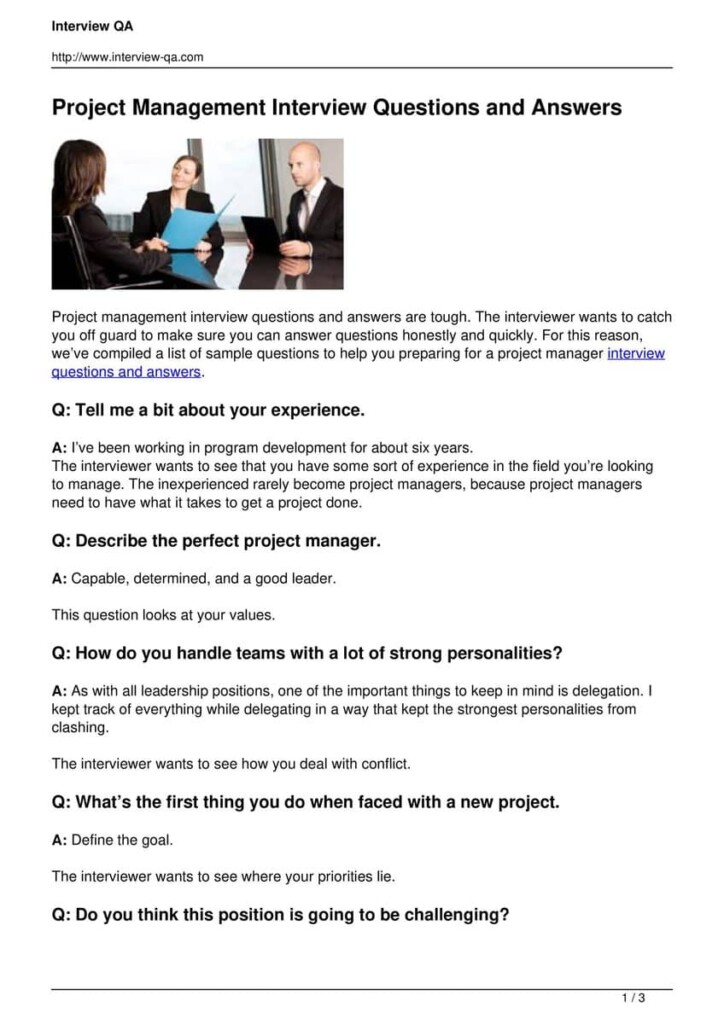
Project management is a critical discipline that involves planning, executing, and overseeing projects to achieve specific goals within constraints such as time, budget, and resources. As organizations increasingly rely on project managers to drive successful outcomes, the demand for skilled professionals continues to grow. Preparing for a project management interview requires understanding both technical and behavioral questions that assess your knowledge, leadership, and problem-solving abilities. In this article, we delve into common project management interview questions and provide detailed answers to help candidates excel. Additionally, we explore how The Project Management Course: Beginner to PROject Manager can equip you with the skills needed to thrive in this dynamic field.
Interviewers often start with foundational questions to evaluate your grasp of core project management concepts. Expect inquiries about the definition of project management, the project life cycle, and key terminology such as scope, milestones, and deliverables. Demonstrating a clear understanding of these basics sets a positive tone for the rest of the interview.
It's important to articulate how project management involves initiating, planning, executing, monitoring, and closing projects. Candidates should be able to discuss different project phases and explain their significance in ensuring project success. This reflects not only knowledge but also an appreciation for structured workflows.
Additionally, familiarity with popular project management methodologies like Waterfall, Agile, Scrum, and Kanban is essential. Interviewers may ask you to compare these approaches or identify which methodology you have experience using. Highlighting adaptability and the ability to select appropriate methods based on project requirements can impress hiring managers.
Project managers must excel in leadership and communication, so behavioral questions are common. Interviewers seek examples demonstrating your ability to lead teams, resolve conflicts, and communicate effectively with stakeholders. Prepare stories using the STAR method (Situation, Task, Action, Result) to provide structured, impactful responses.
Questions such as 'Describe a time you managed a difficult stakeholder' or 'How do you motivate a team under pressure?' assess your interpersonal skills and emotional intelligence. Emphasize active listening, empathy, and adaptability as key traits that enable successful collaboration.
Effective communication also involves transparency and clarity. Discuss how you ensure all team members and stakeholders are aligned through regular updates, meetings, and documentation. Highlight your experience with tools like project dashboards, status reports, and collaboration platforms.
Technical questions probe your ability to apply project management tools and techniques. Expect to be asked about risk management, resource allocation, budgeting, and scheduling. Providing detailed answers shows your proficiency in managing project constraints and optimizing outcomes.
For example, when asked how you handle project risks, describe methods for identifying, analyzing, and mitigating risks. Discuss the use of risk registers and contingency planning. This illustrates a proactive approach to minimizing disruptions.
Similarly, questions on resource management may require you to explain how you balance team capacity with project demands. Discuss techniques like resource leveling and critical path analysis. Demonstrating familiarity with project management software such as Microsoft Project, Jira, or Trello can further strengthen your position.
Situational interview questions test how you respond to unexpected challenges and make decisions under pressure. Interviewers may pose scenarios like 'What would you do if a key team member suddenly left the project?' or 'How would you handle scope creep during a critical phase?'
Effective answers showcase your analytical thinking and flexibility. Describe how you assess the situation, consult relevant stakeholders, and develop a contingency plan. Emphasize prioritization, communication, and maintaining project alignment.
Highlight your ability to remain calm and focused, leveraging your experience and knowledge to guide teams through adversity. Providing concrete examples from past projects where you successfully navigated similar situations adds credibility.
Modern project management relies heavily on technology. Interviewers often ask about your experience with project management software and digital collaboration tools. Be prepared to discuss platforms you’ve used, such as Microsoft Project, Asana, Jira, Monday.com, or Smartsheet.
Explain how these tools have helped you streamline scheduling, track progress, manage resources, and facilitate communication. Mention specific features you find valuable, such as Gantt charts, Kanban boards, or automated reporting.
Demonstrating adaptability to new tools and your approach to selecting the right software for different projects reflects a forward-thinking mindset. It also indicates your commitment to continuous improvement and efficiency.
Certifications like PMP (Project Management Professional), PRINCE2, or Agile Certified Practitioner are often discussed in interviews. Be ready to explain the relevance of these credentials and how they have enhanced your skills and credibility.
Highlight any ongoing professional development activities, such as workshops, webinars, or courses like The Project Management Course: Beginner to PROject Manager. Emphasize how continuous learning helps you stay current with industry trends and best practices.
Mentioning your commitment to growth reassures employers that you are dedicated to maintaining high standards and adapting to evolving project management challenges.
The Project Management Course: Beginner to PROject Manager offers comprehensive training designed to build foundational knowledge and advanced skills. Covering topics from project initiation to closure, it prepares candidates for both technical and behavioral aspects of interviews.
By engaging with this course, you gain practical insights into real-world project scenarios, risk management, stakeholder communication, and agile methodologies. Such preparation enables you to answer interview questions confidently and demonstrate your readiness for the role.
Additionally, the course provides templates, case studies, and practice exercises that enhance problem-solving abilities. Leveraging these resources can distinguish you from other candidates and accelerate your journey from beginner to professional project manager.
Successful interview preparation involves thorough research about the hiring organization, its projects, and industry context. Tailor your answers to align with the company’s values and project management approach. This shows genuine interest and cultural fit.
Practice answering common interview questions aloud or with a mentor to build confidence and clarity. Use the STAR method to structure responses and avoid rambling. Focus on quantifiable achievements and lessons learned.
Finally, prepare thoughtful questions to ask the interviewer about team dynamics, project challenges, or growth opportunities. This demonstrates your proactive mindset and eagerness to contribute meaningfully.
Preparing for a project management interview can be a transformative step in your career journey. By understanding the breadth of questions you may encounter—from fundamental concepts to complex situational challenges—you position yourself as a capable and confident candidate. Integrating knowledge gained from specialized training such as The Project Management Course: Beginner to PROject Manager further enhances your expertise and readiness. Remember, effective preparation combines technical know-how, behavioral insight, and practical application. Embrace continuous learning and self-reflection to not only succeed in your interview but also excel as a professional project manager.
Keep reading
Insights
Prepare a clear engineering or technology brief: define outcomes, scope, interfaces, budget, delivery constraints and acceptance checks.
Educational Resources
Artificial Intelligence (AI) is...
Business News
In today’s fast-paced and highly competitive business environment, generic solutions no longer suffice. ...
TAMFIS NIG LTD
Electrical and instrumentation engineering, bid preparation and consulting, IT and software.