
Insights
How to Scope a Technology or Engineering Project Before You Request a Quote
Prepare a clear engineering or technology brief: define outcomes, scope, interfaces, budget, delivery constraints and acceptance checks.
TAMFIS NIG LTDRC 8067447CAC ACTIVEFinima, Bonny Island, Rivers State

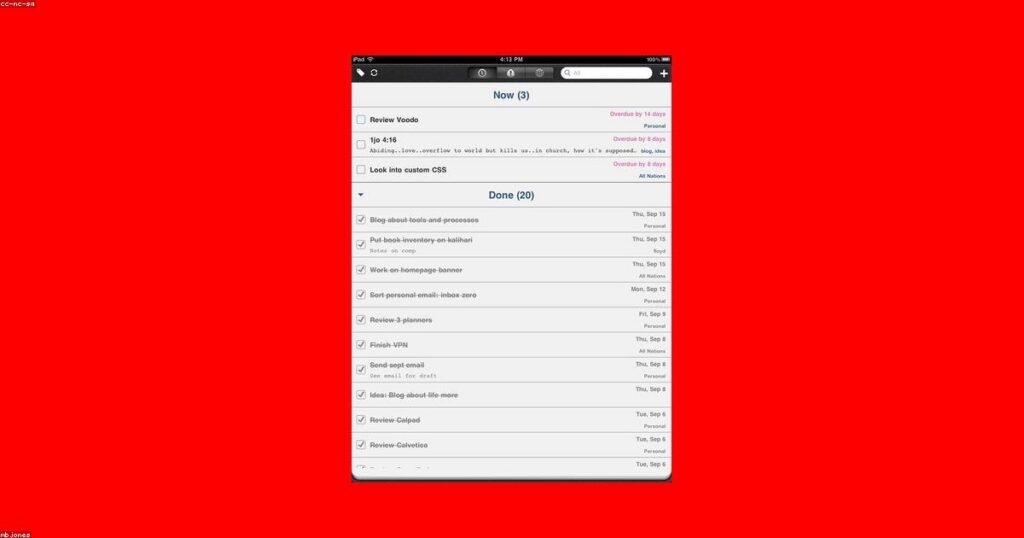
Project management is a critical discipline that ensures projects are completed on time, within scope, and on budget. Whether you are managing a small team or a large organization, understanding the fundamentals of project management is essential. In today’s digital age, project management apps have revolutionized how teams collaborate, track progress, and meet deadlines. This article dives into the core principles of project management and illustrates how leveraging the right project management app can transform your project outcomes by improving efficiency, communication, and accountability.
Project management is the structured approach to planning, executing, and closing projects. It involves defining objectives, allocating resources, managing risks, and coordinating team efforts to achieve specific goals within a set timeline and budget. The fundamentals of project management provide a framework that helps project managers maintain control over complex processes and deliver successful results consistently.
Key principles such as initiating, planning, executing, monitoring, and closing form the backbone of project management. Each phase addresses different challenges, from setting clear goals to ensuring quality and stakeholder satisfaction. Mastering these fundamentals enables teams to work cohesively and adapt to changes effectively throughout the project lifecycle.
Additionally, project management fundamentals emphasize communication, risk management, and stakeholder engagement. These elements are crucial for identifying potential issues early, aligning expectations, and fostering collaboration among diverse team members. A strong foundation in these areas supports smoother project execution and reduces the likelihood of costly delays or failures.
Project management apps have become indispensable tools in contemporary work environments. They provide centralized platforms where teams can plan tasks, share documents, assign responsibilities, and monitor progress in real-time. This centralized approach minimizes miscommunication and ensures that everyone stays informed about project status and deadlines.
These apps often feature dashboards, calendars, Gantt charts, and reporting tools that offer visual insights into project performance. Such features help project managers identify bottlenecks, adjust schedules, and allocate resources more effectively. By automating routine tasks, project management apps free up time for strategic decision-making and problem-solving.
Moreover, the availability of cloud-based project management apps enables remote and distributed teams to collaborate seamlessly. Team members can update tasks, provide feedback, and access project data from anywhere, fostering greater flexibility and responsiveness. This capability is particularly important in today’s increasingly remote and hybrid work models.
When selecting a project management app, it’s important to consider features that align with your team’s needs and project complexity. Essential functionalities include task management, time tracking, file sharing, and communication tools. These features help teams organize work, monitor productivity, and maintain a clear record of project activities.
Integration capabilities are another vital consideration. A good project management app should integrate smoothly with other tools your team uses, such as email, calendars, CRM systems, and cloud storage services. This interoperability reduces data silos and enhances workflow continuity across different platforms.
Usability and scalability are equally important. The app should offer an intuitive user interface that requires minimal training and support. Additionally, it should be flexible enough to accommodate projects of varying sizes and complexities, allowing your team to scale up operations without switching tools.
Using a project management app delivers numerous benefits that improve project delivery and team dynamics. One major advantage is enhanced organization. These apps allow teams to break down projects into manageable tasks, set priorities, and establish clear deadlines, reducing confusion and ensuring accountability.
Improved communication is another key benefit. Project management apps centralize conversations, comments, and updates, eliminating the need for lengthy email threads and meetings. This transparency helps prevent misunderstandings and keeps all stakeholders aligned on project objectives and progress.
Furthermore, project management apps facilitate better resource management. Managers can allocate personnel, monitor workloads, and forecast resource needs more accurately. This leads to optimized team performance, reduced burnout, and the ability to meet deadlines consistently.
Project management apps often support various methodologies, allowing teams to choose the approach that best suits their project type. Waterfall methodology, characterized by its linear and sequential phases, is commonly supported through features like task dependencies and milestone tracking.
Agile methodology, favored for its flexibility and iterative progress, is also widely accommodated by project management apps. These apps offer sprint planning, backlog management, and real-time collaboration tools that facilitate rapid adaptation to changing requirements.
Other methodologies such as Scrum, Kanban, and Lean are typically integrated within project management apps through customizable boards, workflows, and automation features. This versatility enables teams to tailor the app’s functionality to their preferred project management style.
Despite their advantages, implementing project management apps can present challenges. Resistance to change is common, especially in teams accustomed to traditional methods. To overcome this, organizations should invest in comprehensive training and demonstrate the app’s tangible benefits to users.
Another challenge is data migration from legacy systems. Ensuring a smooth transition requires careful planning and possibly the assistance of technical support to prevent data loss or inconsistencies. Choosing an app with robust import/export features can alleviate this issue.
Additionally, over-reliance on technology without clear processes can lead to inefficiencies. It’s crucial to combine the app’s capabilities with well-defined project management practices. Regularly reviewing workflows and soliciting team feedback helps optimize the use of the app and maximize its impact.
To get the most out of a project management app, start by customizing it to fit your team’s workflows and terminology. Tailoring task categories, labels, and notifications ensures relevance and improves user engagement. This personalization fosters ownership and encourages consistent usage.
Regular updates and maintenance of project data are essential. Teams should commit to keeping task statuses current, recording progress, and documenting issues promptly. This discipline enhances transparency and provides accurate insights for decision-making.
Encouraging collaboration through the app’s communication features promotes knowledge sharing and problem-solving. Establishing guidelines for commenting, tagging, and file sharing helps maintain organized and effective interactions. Finally, leveraging analytics and reporting tools enables continuous improvement by identifying trends and areas for optimization.
The future of project management apps is being shaped by advancements in artificial intelligence and machine learning. These technologies are enabling predictive analytics, automated scheduling, and intelligent resource allocation, which enhance decision-making and reduce manual effort.
Integration with emerging technologies like augmented reality (AR) and virtual reality (VR) is also on the horizon. These innovations promise immersive project visualization and remote collaboration experiences, particularly beneficial for complex engineering and design projects.
Furthermore, increased emphasis on mobile-first design and real-time collaboration tools will continue to support flexible work environments. As remote and hybrid work models become the norm, project management apps will evolve to meet the demands of diverse teams working across different locations and time zones.
Mastering project management fundamentals is essential for achieving project success in any industry. Leveraging a project management app can significantly enhance your ability to plan, execute, and monitor projects by centralizing workflows and fostering collaboration. By carefully selecting an app that fits your team’s needs and adopting best practices, you can overcome common challenges and maximize productivity. As technology advances, staying informed about emerging trends will enable you to harness new capabilities and maintain a competitive edge. Ultimately, combining solid project management principles with the right digital tools empowers teams to deliver projects more efficiently and effectively.
Keep reading
Insights
Prepare a clear engineering or technology brief: define outcomes, scope, interfaces, budget, delivery constraints and acceptance checks.
Educational Resources
Artificial Intelligence (AI) is...
Business News
In today’s fast-paced and highly competitive business environment, generic solutions no longer suffice. ...
TAMFIS NIG LTD
Electrical and instrumentation engineering, bid preparation and consulting, IT and software.