
Educational Resources
Benefits of AI in Software Development: Powering the Future of code
Artificial Intelligence (AI) is...
TAMFIS NIG LTDRC 8067447CAC ACTIVEFinima, Bonny Island, Rivers State

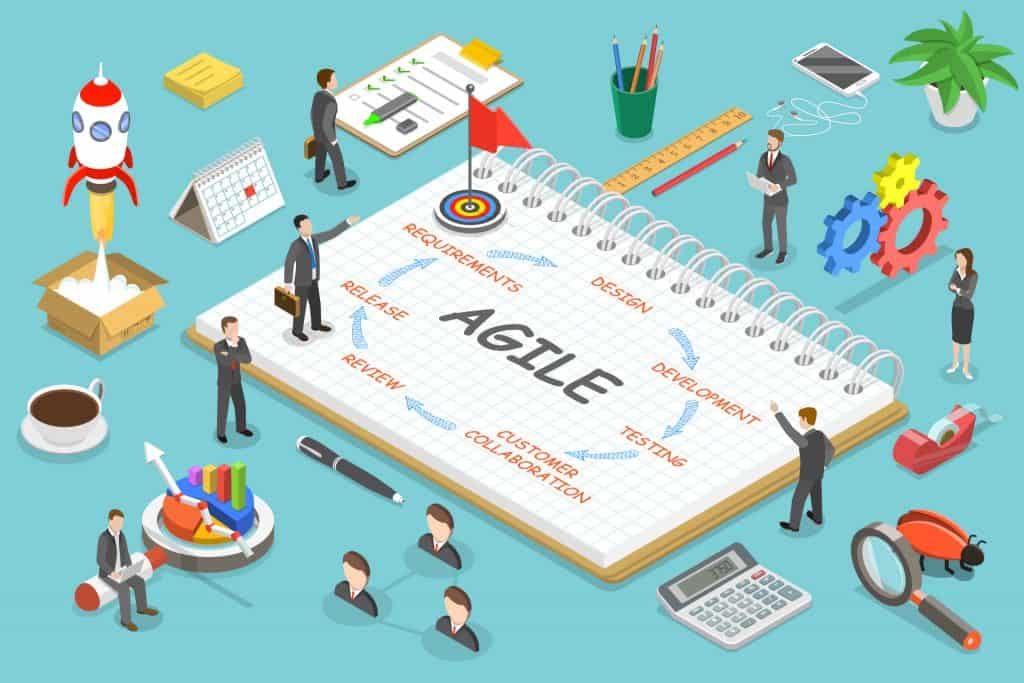
Agile project management has revolutionized the way teams deliver value in fast-paced and ever-changing environments. This tutorial offers an in-depth exploration of Agile methodologies, emphasizing their practical application in various industries. Additionally, it highlights how the Google Project Management Certificate incorporates Agile management principles to prepare aspiring project managers for real-world challenges. Whether you are new to Agile or seeking to refine your skills, this guide provides a structured pathway to mastering Agile project management.
Agile project management is an iterative approach to planning and guiding project processes. Unlike traditional project management methodologies that follow a linear path, Agile embraces flexibility and continuous improvement. It focuses on delivering small, incremental changes rather than a single, large final product, allowing teams to adapt quickly to feedback and evolving requirements.
The core of Agile project management lies in its values and principles, as outlined in the Agile Manifesto. These emphasize individuals and interactions, working solutions, customer collaboration, and responding to change over rigidly following a plan. This mindset promotes collaboration, transparency, and adaptability throughout the project lifecycle.
Agile methodologies such as Scrum, Kanban, and Lean provide frameworks for implementing Agile principles. Each methodology offers unique tools and practices tailored to different project needs but shares the common goal of enhancing team productivity and delivering value more efficiently.
Scrum is one of the most widely adopted Agile frameworks. It organizes work into fixed-length iterations called sprints, typically lasting two to four weeks. Scrum teams hold daily stand-up meetings to discuss progress, challenges, and goals, fostering transparency and quick problem-solving. Roles such as Product Owner, Scrum Master, and Development Team members define responsibilities clearly.
Kanban focuses on visualizing work and limiting work in progress to improve flow and efficiency. Teams use Kanban boards divided into columns representing different stages of work, allowing them to track tasks from start to finish. This method is highly flexible and well-suited for projects requiring continuous delivery and prioritization.
Lean Agile integrates Lean principles with Agile practices, emphasizing waste reduction, value delivery, and continuous improvement. It encourages teams to identify and eliminate non-value-adding activities, streamline processes, and enhance customer satisfaction by focusing on delivering only what is necessary.
One of the primary benefits of Agile project management is increased flexibility. Agile teams can respond rapidly to changing requirements and market conditions, enabling them to pivot without derailing the entire project. This adaptability ensures the final product aligns closely with customer needs and expectations.
Agile also enhances collaboration and communication among team members and stakeholders. Regular meetings, such as daily stand-ups and sprint reviews, create opportunities for feedback and alignment. This transparency reduces misunderstandings and fosters a culture of shared responsibility.
Moreover, Agile's focus on incremental delivery allows for early detection of issues and continuous improvement. By breaking work into smaller, manageable units, teams can test and refine features regularly, reducing the risk of costly errors and ensuring higher quality outputs.
The Google Project Management Certificate is a professional training program designed to equip learners with foundational and advanced project management skills. Developed by Google, it is accessible online and tailored for beginners and those looking to formalize their project management knowledge.
This certificate program covers various project management methodologies, including Agile, and emphasizes practical skills such as risk management, stakeholder communication, and project documentation. It prepares learners to manage projects effectively across diverse industries and team structures.
A key feature of the Google Project Management Certificate is its integration of real-world scenarios and hands-on exercises. Participants gain experience working with project management tools and techniques, enabling them to apply Agile principles confidently in professional settings.
Agile project management is a significant component of the Google Project Management Certificate curriculum. The program introduces learners to Agile concepts, frameworks like Scrum and Kanban, and the importance of iterative development cycles. This foundation helps students understand how Agile differs from traditional project management approaches.
The certificate emphasizes practical application by guiding learners through Agile ceremonies such as sprint planning, daily stand-ups, and retrospectives. It encourages the adoption of Agile tools and collaboration techniques to improve team performance and project outcomes.
Through case studies and project simulations, the program demonstrates how Agile can be applied to manage real-world projects. This experiential learning approach ensures that graduates not only understand Agile theory but can also implement Agile practices effectively in their careers.
To begin with Agile project management, it is essential to familiarize yourself with Agile values, principles, and popular methodologies. Reading the Agile Manifesto and exploring frameworks like Scrum and Kanban provide a solid theoretical foundation.
Next, consider enrolling in specialized courses or certifications, such as the Google Project Management Certificate, which offers structured learning paths and practical experience. These programs often include hands-on projects, quizzes, and peer collaboration to reinforce learning.
Additionally, gaining experience by participating in Agile teams or projects in your organization can accelerate your understanding. Applying Agile tools such as Jira, Trello, or Asana in real projects helps translate knowledge into skills, preparing you for leadership roles in Agile environments.
One common challenge teams face when adopting Agile is resistance to change. Employees accustomed to traditional project management may find Agile’s iterative and collaborative nature unfamiliar. Overcoming this requires clear communication about Agile benefits and involving team members in the transition process.
Another challenge is insufficient training or understanding of Agile practices. Without proper knowledge, teams may struggle to implement Agile ceremonies effectively or misuse Agile tools. Investing in comprehensive training and ongoing coaching can address these gaps and build confidence.
Lastly, maintaining consistent stakeholder engagement can be difficult in Agile projects. Agile relies heavily on customer feedback and collaboration, so establishing regular communication channels and setting expectations early helps ensure stakeholder alignment and project success.
As Agile continues to evolve, hybrid approaches that combine Agile with traditional methodologies are gaining popularity. These models allow organizations to tailor project management strategies to specific needs, blending flexibility with structure.
The integration of artificial intelligence and automation tools is also shaping Agile practices. AI can assist in project forecasting, risk assessment, and resource allocation, enhancing decision-making and efficiency within Agile teams.
Additionally, Agile is expanding beyond software development into industries such as marketing, education, and manufacturing. This broad adoption underscores Agile’s versatility and its potential to drive innovation and responsiveness across diverse sectors.
Agile project management represents a transformative approach to managing projects by prioritizing adaptability, collaboration, and continuous improvement. Through a comprehensive understanding of Agile methodologies and practical application, professionals can significantly enhance project outcomes. The Google Project Management Certificate serves as a valuable resource for gaining the knowledge and skills required to thrive in Agile environments. Embracing Agile not only prepares individuals for current project demands but also equips organizations to innovate and succeed in an increasingly complex business landscape.
Keep reading
Educational Resources
Artificial Intelligence (AI) is...
Business News
In today’s fast-paced and highly competitive business environment, generic solutions no longer suffice. ...
Educational Resources
Understand the concept of expertise through detailed definitions and insights. A must-read for those looking...
TAMFIS NIG LTD
Electrical and instrumentation engineering, bid preparation and consulting, IT and software.