
Educational Resources
Expertise Explained: Your Guide to Understanding This Key Concept
Understand the concept of expertise through detailed definitions and insights. A must-read for those looking...
TAMFIS NIG LTDRC 8067447CAC ACTIVEFinima, Bonny Island, Rivers State

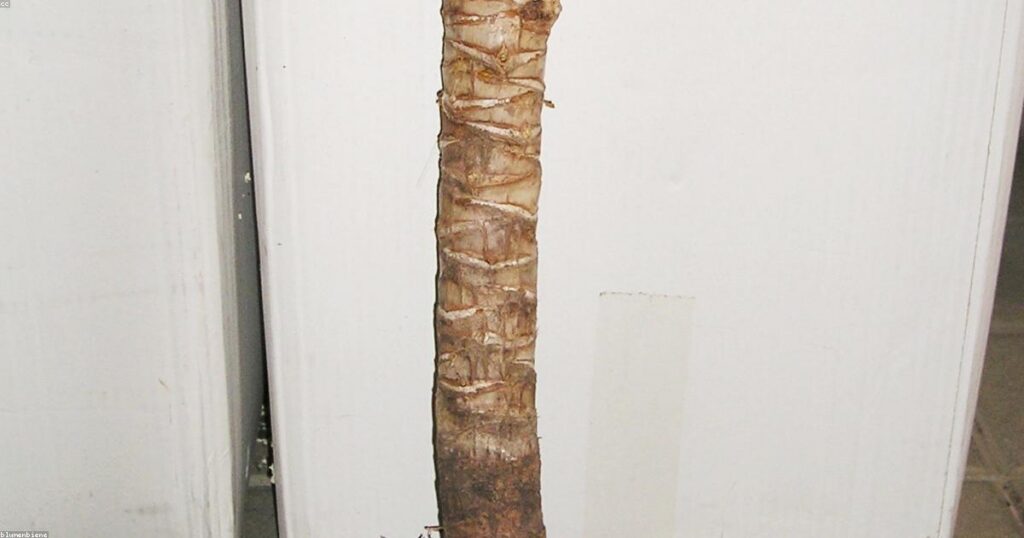
The yucca plant, known for its striking sword-like leaves and robust nature, is a popular choice for indoor gardeners seeking a low-maintenance yet visually appealing houseplant. Native to arid regions, yuccas are well adapted to indoor environments, provided their specific care needs are met. This article dives deep into the essential aspects of indoor yucca plant maintenance, offering practical advice for watering, lighting, soil selection, pruning, and pest control. Whether you are a beginner or an experienced indoor gardener, this guide will help you nurture your yucca plant to thrive in your home.
Yucca plants belong to the Asparagaceae family and are native to the hot, dry regions of the Americas. Characterized by their tough, sword-shaped leaves and woody stems, these plants are well-suited to indoor environments due to their drought tolerance and minimal care requirements. Their architectural form adds a bold, sculptural element to interior spaces, making them a favorite among houseplant enthusiasts.
Indoor yuccas typically grow slower than their outdoor counterparts, reaching heights of 3 to 5 feet, depending on the variety and growing conditions. They can adapt well to pots and containers, which makes them versatile for different interior design styles. The key to a thriving yucca indoors lies in mimicking its natural habitat: bright light, well-draining soil, and infrequent watering.
It’s important to note that yuccas can be toxic if ingested by pets or children, so placement should be considered carefully. Additionally, their sharp leaf tips require cautious handling during maintenance. Understanding these characteristics helps ensure safe and effective care for your indoor yucca plant.
Yucca plants thrive in bright, indirect light but can tolerate some direct sunlight, which enhances their growth and leaf coloration. Placing your yucca near a south-facing window where it receives several hours of filtered sunlight daily is ideal. However, avoid prolonged exposure to harsh midday sun through glass, as it can scorch the leaves.
If natural light is limited, yuccas can adapt to moderate indoor lighting, though growth may slow and the plant may appear less vibrant. In such cases, supplementing with fluorescent or LED grow lights can help maintain healthy development. Aim for 6 to 8 hours of light daily to replicate their natural environment.
Rotate the plant every week to ensure even light exposure on all sides, preventing lopsided growth. Monitoring the plant’s response to light is essential; pale or yellowing leaves may indicate insufficient light, while brown leaf tips can signal too much direct sun or dryness.
Yucca plants are drought-tolerant succulents that require careful watering to avoid root rot. The best practice is to allow the top 2 to 3 inches of soil to dry out completely between waterings. Overwatering is one of the most common causes of yucca plant decline, so it’s crucial to maintain a balanced watering schedule.
During the growing season (spring and summer), water your yucca moderately—approximately once every 1 to 2 weeks depending on indoor humidity and temperature. Reduce watering frequency during fall and winter when the plant enters a dormant phase. Always check soil moisture before watering to avoid excess moisture retention.
Ensure your pot has adequate drainage holes to prevent water from pooling at the bottom. Using a well-draining soil mix also helps maintain the right moisture balance. If you notice yellowing leaves or mushy stems, these are signs of overwatering and root problems that should be addressed promptly.
Selecting the appropriate soil is essential for indoor yucca plant health. Use a well-draining soil mix designed for succulents or cacti, which typically includes sand, perlite, and organic matter. This composition ensures excess water drains quickly, preventing root rot and promoting healthy root aeration.
Avoid heavy, compacted soils that retain moisture and can suffocate the roots. Mixing regular potting soil with coarse sand or pumice improves drainage and mimics the yucca’s native environment. Proper soil also supports nutrient uptake and encourages vigorous growth.
When choosing a pot, opt for one with multiple drainage holes to facilitate water flow. Terracotta pots are an excellent choice because they are porous and allow moisture to evaporate through their walls, reducing the risk of overwatering. Ensure the size of the pot matches the plant’s root system to avoid waterlogging or stunted growth.
Pruning helps maintain the yucca’s shape and removes dead or damaged leaves, promoting overall plant health. Use clean, sharp pruning shears to cut yellowing or brown leaves at the base. Regular pruning also encourages new growth and prevents the plant from becoming leggy or unruly.
If your yucca grows too tall or top-heavy, you can trim the stem to control its height. This process, known as heading back, stimulates branching and results in a bushier appearance. Always allow the cut area to dry and callous before watering to prevent infection.
Propagation of yucca plants is commonly done through stem cuttings or by removing offsets (pups) that grow at the plant’s base. Stem cuttings should be allowed to dry for a few days before planting in well-draining soil. With proper care, new roots will develop within a few weeks, enabling you to grow new yucca plants easily.
While yucca plants are generally resilient, they can occasionally fall prey to pests such as spider mites, mealybugs, and scale insects. These pests feed on the plant’s sap, causing damage to leaves and weakening the plant. Regularly inspect your yucca’s foliage for signs of infestation, including webbing, sticky residue, or white cottony spots.
To control pests, isolate the affected plant and gently wipe leaves with a solution of mild soap and water. In more severe cases, insecticidal soap or neem oil sprays can be effective. Consistent monitoring and early intervention prevent pest populations from escalating and damaging your plant.
Yucca plants can also suffer from fungal diseases like root rot or leaf spot if overwatered or kept in poorly ventilated areas. Ensuring proper watering practices and good air circulation helps minimize disease risk. Remove and dispose of any infected leaves promptly to avoid spreading pathogens.
Yucca plants respond to seasonal changes by adjusting their growth rates and care needs. During spring and summer, they enter an active growth phase requiring more light, water, and nutrients. Consider fertilizing your yucca every 4 to 6 weeks with a balanced, diluted houseplant fertilizer to support healthy development.
In contrast, during fall and winter, yuccas enter dormancy and require reduced watering and no fertilization. Lower temperatures and shorter daylight hours naturally slow their metabolism. Avoid placing your plant near cold drafts or heating vents, which can stress the plant and cause leaf damage.
Adjusting humidity levels is also beneficial. Yuccas prefer moderate indoor humidity but tolerate dry air well. If your home is very dry, occasional misting or placing a humidity tray nearby can prevent leaf tip browning and maintain plant vigor throughout the year.
Beyond their easy maintenance, yucca plants are excellent for enhancing indoor aesthetics. Their bold, architectural foliage adds height and texture to living rooms, offices, and entryways. Pair yuccas with complementary plants like snake plants or pothos for a dynamic indoor garden display.
Yuccas also contribute to healthier indoor air by filtering toxins and improving oxygen levels. This makes them not only decorative but also beneficial for your home environment. Position your yucca in a well-lit spot where it can become a natural focal point.
To maximize visual impact, choose decorative pots that complement your interior design style. Whether modern, rustic, or bohemian, yuccas adapt well to various décor themes. Regular maintenance and proper care ensure your yucca remains a vibrant and enduring part of your indoor greenery.
Caring for an indoor yucca plant is a rewarding experience that combines low-maintenance requirements with striking visual appeal. By understanding its natural habitat and adapting your care routine to meet its specific needs, you can enjoy a vibrant, resilient plant that brings life and style to your indoor spaces. From appropriate lighting and watering to pruning and pest management, each aspect of yucca maintenance contributes to its health and longevity. With patience and attention, your yucca plant will thrive as a beautiful, enduring feature in your home garden.
Keep reading
Educational Resources
Understand the concept of expertise through detailed definitions and insights. A must-read for those looking...
Mechanical
Predictive Maintenance (PdM) has revolutionized the way industries maintain their equipment, shifting fr...
Mechanical
Venezuela, once one of Latin America's wealthiest nations due to its vast oil reserves, has experie...
TAMFIS NIG LTD
Electrical and instrumentation engineering, bid preparation and consulting, IT and software.