Educational Resources
Expertise Explained: Your Guide to Understanding This Key Concept
Understand the concept of expertise through detailed definitions and insights. A must-read for those looking...
TAMFIS NIG LTDRC 8067447CAC ACTIVEFinima, Bonny Island, Rivers State

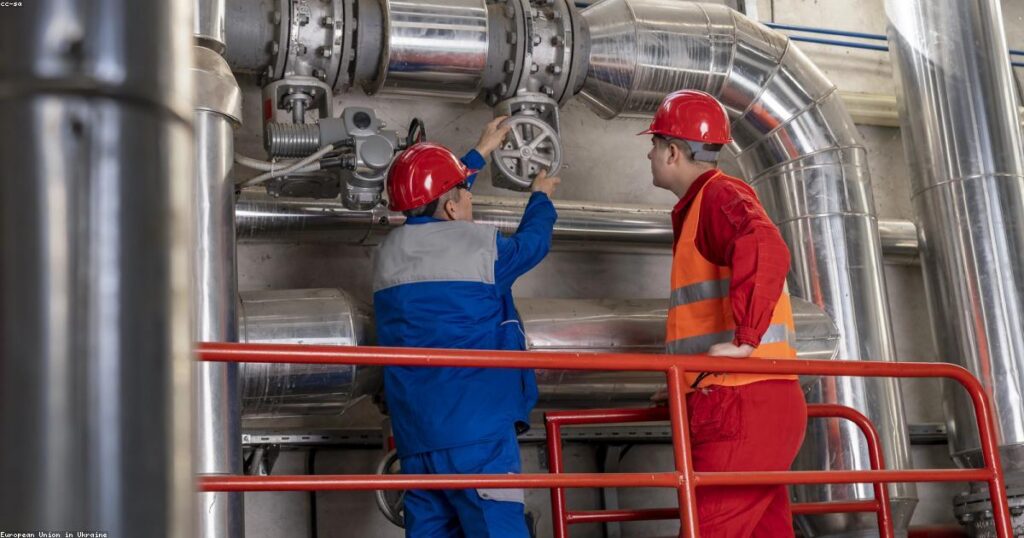
Plant maintenance safety is a fundamental aspect of industrial operations that directly impacts worker well-being, machinery longevity, and overall productivity. Maintenance activities often involve working with heavy equipment, electrical systems, and hazardous materials, making safety protocols indispensable. This article delves into the key components of plant maintenance safety, offering practical insights into hazard identification, risk management, training, and compliance. By prioritizing safety during maintenance, organizations can reduce accidents, avoid costly downtime, and foster a culture of responsibility and care within their workforce.
Plant maintenance safety is crucial in preventing workplace accidents and ensuring seamless industrial operations. Maintenance tasks often expose workers to potential hazards such as electrical shocks, mechanical injuries, chemical exposure, and falls. Without proper safety measures, these risks can lead to severe injuries or fatalities, affecting both employees and the organization’s reputation.
Beyond worker protection, effective safety protocols in maintenance reduce downtime caused by accidents or equipment failures. When machines are regularly serviced under safe conditions, their lifespan is extended, and unexpected breakdowns are minimized. This continuity in operations translates to increased productivity and cost savings for the plant.
Furthermore, emphasizing safety during maintenance fosters a positive work environment. Employees feel valued and motivated when their well-being is prioritized, leading to better adherence to safety guidelines and proactive hazard reporting. Ultimately, plant maintenance safety is a cornerstone of sustainable industrial success.
Maintenance activities in industrial plants involve various hazards that must be identified to implement effective controls. Electrical hazards are prevalent, especially when working on energized equipment or electrical panels. Proper lockout/tagout procedures are essential to prevent accidental energization during maintenance.
Mechanical hazards include moving parts, sharp edges, and heavy machinery that can cause crushing, cuts, or entanglement injuries. Identifying these risks involves thorough inspection of equipment and awareness of pinch points or rotating components.
Chemical exposure is another significant hazard, particularly when handling lubricants, solvents, or cleaning agents. Maintenance personnel should be trained to recognize hazardous substances and utilize appropriate personal protective equipment (PPE) to avoid skin contact or inhalation.
Slips, trips, and falls are common in maintenance areas due to wet surfaces, clutter, or uneven flooring. Regular housekeeping and clear signage help identify and mitigate these risks, ensuring a safer workspace.
Lockout/Tagout (LOTO) procedures are vital for controlling hazardous energy during maintenance and repair. This system ensures that machinery is completely de-energized and cannot be restarted until maintenance is safely completed, preventing accidental startup that could injure workers.
An effective LOTO program requires comprehensive training for employees on identifying energy sources, applying locks and tags, and verifying zero energy states. Clear communication and supervision are necessary to maintain strict adherence to these protocols.
Regular audits and updates to LOTO procedures help address new equipment or changes in maintenance processes. By institutionalizing LOTO, plants significantly reduce the risk of energy-related accidents and establish a culture of safety accountability.
Personal Protective Equipment (PPE) serves as the last line of defense against hazards encountered during plant maintenance. Selecting the right PPE depends on the specific risks present, such as gloves for chemical handling, safety goggles for eye protection, and hard hats for head safety.
Proper PPE training is essential to ensure workers understand how to correctly wear, maintain, and replace their equipment. Ill-fitting or damaged PPE can compromise protection, so regular inspections and replacements are necessary.
Employers must enforce PPE use consistently and provide accessible, high-quality equipment. Integrating PPE into the broader safety program reinforces its importance and contributes to lowering injury rates during maintenance activities.
Comprehensive training is a cornerstone of plant maintenance safety. Workers must be knowledgeable about potential hazards, safe work practices, emergency procedures, and the correct use of tools and PPE. Continuous education ensures skills remain current and relevant.
Competency development includes hands-on practice, safety drills, and refresher courses tailored to specific maintenance tasks. Encouraging a learning culture empowers employees to identify risks proactively and respond effectively to incidents.
Management should assess training effectiveness through evaluations and feedback mechanisms. Investing in employee development not only enhances safety outcomes but also improves overall operational efficiency.
Conducting thorough risk assessments before maintenance work begins is essential to identify potential dangers and implement mitigation measures. This process involves analyzing the work environment, equipment condition, and task-specific risks to develop a safety plan.
Mitigation strategies may include engineering controls such as machine guards, administrative controls like scheduling maintenance during low-traffic hours, and PPE requirements. Combining these approaches creates multiple layers of protection.
Regularly reviewing and updating risk assessments ensures they remain relevant as plant conditions and maintenance procedures evolve. Involving maintenance staff in this process enhances hazard recognition and buy-in for safety initiatives.
Compliance with local, national, and international safety regulations is mandatory for plant maintenance operations. Standards set by organizations such as OSHA, ANSI, and ISO provide guidelines to minimize risks and protect workers.
Maintaining compliance involves documenting safety procedures, conducting regular inspections, and addressing any identified non-conformities promptly. Failure to comply can result in legal penalties, increased insurance costs, and reputational damage.
Proactive engagement with regulatory bodies and participation in industry safety programs demonstrate a commitment to continuous improvement. Staying informed about updates in safety standards helps plants adapt and maintain a secure maintenance environment.
Creating a strong safety culture is critical to sustaining plant maintenance safety. This culture emphasizes shared responsibility, open communication, and continuous improvement in safety practices among all employees.
Leadership plays a pivotal role by modeling safe behaviors, recognizing safety achievements, and encouraging reporting of hazards without fear of reprisal. When workers see management’s commitment, they are more likely to prioritize safety themselves.
Engaging employees through safety committees, training sessions, and feedback surveys helps identify challenges and develop practical solutions. A positive safety culture ultimately reduces incidents and enhances overall plant performance.
Plant maintenance safety is a multifaceted endeavor requiring diligence, training, and commitment at every organizational level. By understanding hazards, implementing effective control measures such as lockout/tagout and PPE, and fostering a culture of safety, industrial plants can protect their workforce and maintain efficient operations. Adhering to regulatory standards and continuously improving safety practices ensures long-term sustainability and resilience. Ultimately, prioritizing safety during plant maintenance not only saves lives but also enhances productivity and operational excellence.
Keep reading
Educational Resources
Understand the concept of expertise through detailed definitions and insights. A must-read for those looking...
Mechanical
Predictive Maintenance (PdM) has revolutionized the way industries maintain their equipment, shifting fr...
Mechanical
Venezuela, once one of Latin America's wealthiest nations due to its vast oil reserves, has experie...
TAMFIS NIG LTD
Electrical and instrumentation engineering, bid preparation and consulting, IT and software.