Educational Resources
Expertise Explained: Your Guide to Understanding This Key Concept
Understand the concept of expertise through detailed definitions and insights. A must-read for those looking...
TAMFIS NIG LTDRC 8067447CAC ACTIVEFinima, Bonny Island, Rivers State

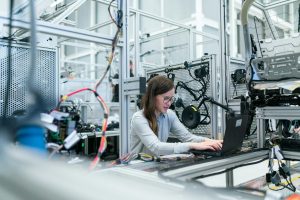
Mechanical engineering technicians play a crucial role in the development, testing, and manufacturing of mechanical devices and systems. They support mechanical engineers by applying technical knowledge and hands-on skills to bring designs to life. Understanding the foundational skillset of mechanical design engineering is essential for technicians aspiring to excel in this field. This article provides an in-depth overview of the mechanical engineering technician profession, focusing on the core competencies involved in mechanical design engineering, key tools and software, and the career opportunities available.
Mechanical engineering technicians bridge the gap between theoretical engineering concepts and practical application. They assist engineers by preparing technical drawings, conducting tests, and assembling prototypes to ensure designs meet specifications. Their work is vital in industries such as automotive, aerospace, manufacturing, and energy, where precision and innovation are paramount.
Technicians often collaborate closely with mechanical engineers to interpret design plans and troubleshoot issues during production. This involves measuring components, maintaining equipment, and documenting test results meticulously. Their ability to understand engineering principles and apply them practically ensures that projects progress smoothly from concept to completion.
In addition to technical tasks, mechanical engineering technicians frequently manage communication between engineering teams and manufacturing departments. This coordination helps streamline production workflows and ensures that design modifications are implemented accurately and efficiently.
Mechanical design engineering requires a blend of analytical thinking, creativity, and technical proficiency. Key skills include a solid understanding of mechanics, materials science, and thermodynamics, which underpin the design and analysis of mechanical systems. Technicians must be adept at interpreting engineering drawings and specifications to support accurate fabrication and assembly.
Proficiency in computer-aided design (CAD) software is essential, enabling technicians to create, modify, and optimize 3D models and technical drawings. This digital skillset enhances precision and accelerates the design process. Additionally, knowledge of drafting standards and geometric dimensioning and tolerancing (GD&T) is crucial for ensuring designs meet industry requirements.
Problem-solving skills are vital for identifying design flaws and proposing practical solutions. Mechanical engineering technicians must be able to analyze test data, perform calculations, and use simulation tools to predict how designs will perform under various conditions.
Modern mechanical design relies heavily on advanced tools and technologies. CAD software such as AutoCAD, SolidWorks, and CATIA are fundamental for creating detailed technical drawings and 3D models. These programs allow for iterative design improvements, enabling technicians to visualize components before manufacturing.
In addition to CAD, computer-aided manufacturing (CAM) software integrates design with production by generating machine instructions for manufacturing processes. This technology enhances accuracy and reduces lead times. Mechanical engineering technicians often operate CNC machines and use measurement instruments like calipers, micrometers, and coordinate measuring machines (CMM) to verify part dimensions.
Simulation software such as Finite Element Analysis (FEA) tools helps predict stress, strain, and thermal effects on mechanical components. By leveraging these technologies, technicians can contribute to optimizing designs for durability, efficiency, and safety.
Typically, mechanical engineering technicians hold an associate degree or diploma in mechanical engineering technology or a related field. These programs emphasize applied mathematics, physics, materials science, and technical drawing, providing a strong foundation for the technical demands of the role.
Certifications can further enhance a technician’s credentials and career prospects. Examples include the Certified Engineering Technician (CET) designation offered by professional bodies, which validates expertise and adherence to industry standards. Specialized certifications in CAD software or quality assurance processes are also beneficial.
Continuous education and training are vital due to rapid technological advancements. Many technicians participate in workshops and courses to stay updated on emerging tools, manufacturing techniques, and regulatory requirements.
Mechanical engineering technicians support design projects by preparing detailed drawings and models based on engineers’ concepts. They ensure that all design elements comply with technical standards and manufacturing capabilities. This involves revising designs to improve functionality or reduce costs without compromising quality.
During prototype development, technicians assemble components and conduct tests to validate performance. They record observations and analyze data to detect any deviations from expected results. These insights are critical for refining designs and ensuring product reliability.
Documentation is another key responsibility. Technicians maintain comprehensive records of specifications, modifications, and testing outcomes. This documentation facilitates communication within teams and serves as a reference for future projects or audits.
Mechanical engineering technicians have diverse career paths available, including roles in design, manufacturing, quality control, and research and development. With experience, they may specialize in areas such as HVAC systems, automotive engineering, or robotics, expanding their expertise and job prospects.
Advancement often involves transitioning into supervisory or project management positions. Technicians can also pursue further education to become mechanical engineers, enhancing their responsibilities and earning potential. Skills in leadership, communication, and project coordination become increasingly important at higher levels.
Networking within professional organizations and attending industry events can open doors to new opportunities. Staying informed about technological trends and industry needs helps technicians remain competitive and adaptable in a dynamic job market.
Mechanical engineering technicians often face challenges such as tight project deadlines, complex problem-solving demands, and the need to continuously update technical skills. Balancing precision with efficiency requires focus and adaptability, especially when working with cutting-edge technologies.
Despite these challenges, the profession offers significant rewards. Technicians contribute directly to the creation of innovative products that impact everyday life, from transportation to energy solutions. The hands-on nature of the work provides a satisfying blend of creativity and technical achievement.
Moreover, the demand for skilled mechanical engineering technicians remains strong, offering job stability and opportunities for growth. The collaborative environment fosters teamwork and continuous learning, making it an engaging career choice for those passionate about engineering and design.
Advancements in automation, artificial intelligence, and additive manufacturing are shaping the future of mechanical design engineering. Technicians will increasingly engage with 3D printing technologies, enabling rapid prototyping and complex part fabrication with reduced material waste.
The integration of Internet of Things (IoT) devices into mechanical systems is creating smarter, more efficient products. Mechanical engineering technicians will need to develop skills in electronics and software interfaces to collaborate effectively on these interdisciplinary projects.
Sustainability is becoming a core focus, driving the design of eco-friendly materials and energy-efficient systems. Technicians will play a key role in implementing green engineering principles, contributing to solutions that minimize environmental impact while maintaining performance.
Mechanical engineering technicians are indispensable contributors to the engineering design process, combining technical knowledge with practical skills to support innovation and manufacturing excellence. Their expertise in mechanical design engineering encompasses a broad skillset that includes CAD proficiency, problem-solving, and collaboration. As technology evolves, technicians must adapt by embracing new tools and methodologies, positioning themselves for continued success in dynamic and diverse industries. For those interested in a hands-on, impactful engineering career, becoming a mechanical engineering technician offers a fulfilling pathway with numerous opportunities for growth and specialization.
Keep reading
Educational Resources
Understand the concept of expertise through detailed definitions and insights. A must-read for those looking...
Mechanical
Predictive Maintenance (PdM) has revolutionized the way industries maintain their equipment, shifting fr...
Mechanical
Venezuela, once one of Latin America's wealthiest nations due to its vast oil reserves, has experie...
TAMFIS NIG LTD
Electrical and instrumentation engineering, bid preparation and consulting, IT and software.