Educational Resources
Expertise Explained: Your Guide to Understanding This Key Concept
Understand the concept of expertise through detailed definitions and insights. A must-read for those looking...
TAMFIS NIG LTDRC 8067447CAC ACTIVEFinima, Bonny Island, Rivers State

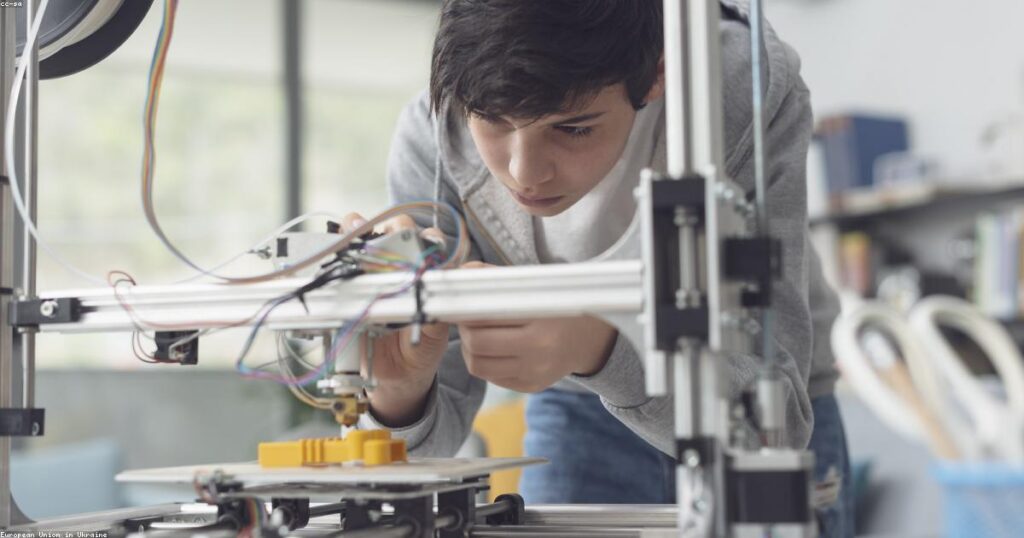
Mechanical engineering is a demanding yet rewarding field that combines creativity, technical skills, and problem-solving. At Western University, senior mechanical engineering students experience a unique blend of academic rigor, practical application, and personal growth. This article delves into the typical day in the life of a senior mechanical engineering student, highlighting the academic responsibilities, extracurricular activities, and the overall lifestyle that prepares them for their professional careers.
A senior mechanical engineering student's day at Western University often begins early with a structured morning routine designed to maximize productivity. Starting with a healthy breakfast and a review of the day's schedule sets the tone for the rigorous academic commitments ahead. Many students use this time to revisit lecture notes or prepare for upcoming labs and assignments.
Time management is crucial, especially as senior students juggle multiple courses and project deadlines. Some students incorporate quick exercise or mindfulness practices to boost focus and energy levels throughout the day. The morning commute to campus, whether by walking, biking, or public transit, also provides a moment to mentally prepare for the challenges ahead.
By the time classes begin, senior mechanical engineering students are mentally primed to engage with complex concepts such as thermodynamics, fluid mechanics, and materials science. This preparation is vital as the coursework demands both theoretical understanding and practical application.
The heart of a senior mechanical engineering student's day is spent attending lectures and participating in tutorials that deepen their understanding of core engineering principles. At Western University, the curriculum is designed to balance rigorous theoretical knowledge with hands-on learning opportunities, ensuring students are well-rounded engineers.
Courses often cover advanced topics such as control systems, heat transfer, and mechanical design. These classes challenge students to apply mathematical and scientific principles to real-world problems. Lectures are complemented by tutorials where students work through complex problems with peers and instructors, fostering collaborative learning.
In addition to lectures, students engage in laboratory sessions where they conduct experiments to validate theoretical concepts. These labs are essential for developing practical skills and understanding the nuances of mechanical systems. The combination of theory and practice prepares students for future engineering roles and research.
One of the most exciting aspects of being a senior mechanical engineering student at Western University is the opportunity to participate in hands-on design projects. These projects often form a significant part of the curriculum, requiring students to collaborate in teams to solve engineering problems.
Students might work on designing and prototyping mechanical devices, improving energy efficiency, or developing automation solutions. These projects demand creativity, technical expertise, and effective communication among team members. They also provide a glimpse into the collaborative nature of professional engineering work.
Project work usually involves using computer-aided design (CAD) software, simulation tools, and physical fabrication in workshops. This blend of digital and manual skills enhances students’ readiness for industry challenges, making their education comprehensive and practical.
Senior mechanical engineering students at Western University often engage in extracurricular activities that complement their academic pursuits. Participation in engineering clubs, student societies, and competitions helps develop leadership, teamwork, and networking skills.
Organizations like the Western Engineering Society provide platforms for students to connect with peers, alumni, and industry professionals. Events such as guest lectures, workshops, and career fairs offer valuable insights into the engineering field and potential career paths.
Competitions like robotics challenges, design contests, and hackathons encourage innovation and practical application of classroom knowledge. These activities not only enrich the student experience but also enhance resumes and professional profiles, giving students an edge in the job market.
A vital component of a senior mechanical engineering student’s education at Western University is securing internships or co-op placements. These experiences provide real-world exposure and a chance to apply academic knowledge in professional settings.
Internships often involve working on engineering projects, assisting in design and analysis, or contributing to research and development initiatives. Such roles help students understand workplace dynamics, project management, and technical communication.
Moreover, these experiences are instrumental in building a professional network and improving employability after graduation. Western University’s strong industry connections and career services support students in finding and securing meaningful placements.
Senior mechanical engineering students face significant academic pressures, making effective study habits essential. Many adopt structured study schedules, breaking down complex topics into manageable segments to enhance retention and understanding.
Group study sessions are common, allowing students to discuss difficult concepts, share resources, and prepare for exams collaboratively. This peer interaction often leads to deeper insights and improved problem-solving skills.
Balancing coursework with projects, labs, and extracurricular activities requires disciplined time management. Tools like planners, digital calendars, and productivity apps help students stay organized and meet deadlines without compromising quality.
Despite the demanding nature of their studies, senior mechanical engineering students at Western University prioritize social connections and personal well-being. Maintaining a healthy balance between academics and leisure is key to long-term success and mental health.
Students often participate in campus events, sports, and social gatherings to unwind and build friendships. Western University’s vibrant campus life offers numerous opportunities for relaxation and community engagement.
Additionally, access to wellness resources such as counseling services, fitness centers, and mindfulness programs supports students in managing stress and maintaining overall well-being throughout their academic journey.
As seniors approach graduation, career planning becomes a focal point. Western University provides extensive support through career counseling, resume workshops, and interview preparation to help students transition smoothly into the workforce or graduate studies.
Many students explore diverse career paths in industries like aerospace, automotive, energy, and manufacturing. Others consider advanced degrees to specialize further or engage in research and academia.
Networking with alumni and attending industry events are crucial steps in building professional connections. This proactive approach helps students identify opportunities and align their skills and interests with future goals.
The life of a senior mechanical engineering student at Western University is marked by a challenging yet enriching blend of academics, practical experience, and personal growth. Through rigorous coursework, collaborative projects, and active engagement in extracurricular and professional opportunities, students develop the skills and resilience necessary for successful engineering careers. Balancing these demands with social life and well-being ensures a holistic educational experience that prepares graduates to contribute meaningfully to the engineering field and society.
Keep reading
Educational Resources
Understand the concept of expertise through detailed definitions and insights. A must-read for those looking...
Mechanical
Predictive Maintenance (PdM) has revolutionized the way industries maintain their equipment, shifting fr...
Mechanical
Venezuela, once one of Latin America's wealthiest nations due to its vast oil reserves, has experie...
TAMFIS NIG LTD
Electrical and instrumentation engineering, bid preparation and consulting, IT and software.